
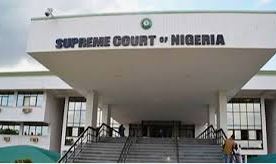
Nigeria Supreme Court: LPDC Section 12(7) LPA Declared Unconstitutional
Summary
- On June 26, 2026, the Supreme Court of Nigeria issued a landmark judgment concerning the Legal Practitioners Disciplinary Committee (LPDC).
- A seven-member panel, in a five-to-two decision, declared Section 12(7) of the Legal Practitioners Act (LPA) (as amended) unconstitutional to the extent that it allowed direct appeals to the Supreme Court.
- The ruling appears to challenge the established framework for LPDC decisions on allegations of lawyer misconduct.
- This Supreme Court judgment on bar misconduct in Nigeria could redefine the scope and finality of LPDC rulings.
- The decision may open new avenues for challenging LPDC findings and impact professional misconduct enforcement.
Supreme Court's Landmark Ruling
This landmark Supreme Court judgment potentially redefines the scope and finality of decisions made by the Legal Practitioners Disciplinary Committee.
On June 26, 2026, Nigeria's Supreme Court delivered a significant judgment that has brought the decisions of the Legal Practitioners Disciplinary Committee (LPDC) under intense scrutiny. This landmark ruling, issued by a seven-member panel, saw a five-to-two majority declare Section 12(7) of the Legal Practitioners Act (LPA), as amended, in a manner that appears to challenge the established framework for addressing professional misconduct among lawyers.
The judgment specifically targets the authority and finality of determinations made by the LPDC concerning allegations of misconduct leveled against legal practitioners. The Supreme Court declared Section 12(7) of the Legal Practitioners Act (LPA) unconstitutional to the extent that it purported to confer a right of direct appeal from the Legal Practitioners Disciplinary Committee (LPDC) to the Supreme Court, signaling a potential re-evaluation of how disciplinary actions are handled within the legal profession in Nigeria.
Context of Lawyer Discipline
The Legal Practitioners Disciplinary Committee (LPDC) serves as a crucial body within the Nigerian legal system, tasked with upholding ethical standards and addressing instances of professional misconduct by lawyers. Its decisions have historically played a vital role in maintaining the integrity of the bar and ensuring accountability among its members. Section 12(7) of the Legal Practitioners Act (LPA) is a key statutory provision that underpins the committee's operational framework and the enforceability of its disciplinary findings.
Allegations of misconduct against lawyers range from professional negligence to ethical breaches, and the LPDC is empowered to investigate these claims and impose appropriate sanctions. The Supreme Court's intervention, particularly concerning a foundational section of the LPA, indicates a profound legal development that could reshape the landscape of lawyer discipline and the avenues available for challenging such decisions.
Implications for Legal Practice
This landmark Supreme Court judgment potentially redefines the scope and finality of decisions made by the Legal Practitioners Disciplinary Committee. The ruling on Section 12(7) of the Legal Practitioners Act (LPA) could introduce new considerations for the exercise of Legal Practitioners Disciplinary Committee powers, impacting how future cases of bar misconduct in Nigeria are adjudicated and reviewed.
Lawyers and compliance officers should scrutinize ongoing or prospective disciplinary proceedings, as this ruling may provide new grounds for challenging LPDC findings or alter the landscape of professional misconduct enforcement in Nigeria. This Nigerian lawyer discipline precedent could lead to increased LPDC decisions judicial review, prompting a re-evaluation of existing disciplinary protocols and potentially influencing the development of future legal ethics guidelines.
Practical Implications
This landmark Supreme Court judgment potentially redefines the scope and finality of decisions made by the Legal Practitioners Disciplinary Committee. Lawyers and compliance officers should scrutinize ongoing or prospective disciplinary proceedings, as this ruling may provide new grounds for challenging LPDC findings or alter the landscape of professional misconduct enforcement in Nigeria.
Source
How does this affect you?
Get an AI analysis of this article grounded in your jurisdictions, practice areas, and any policy documents you've uploaded to Wansom.
Finish Reading the Full Story and the Expert Analysis.
Get the latest legal & regulatory intelligence in Nigeria
Wansom is AI and can make mistakes.