
Nigeria Senate: Oil Pollution Bill Adds Criminal Sanctions
Summary
- The Nigerian Senate has passed a bill to amend the NOSDRA Establishment Act 2006.
- The bill aims to provide statutory backing for heavier fines and criminal sanctions.
- These measures are intended to enforce environmental laws specifically in the petroleum sector.
- The new legislation will allow for the jailing of oil polluters.
- It will also impose significantly increased financial penalties for environmental infractions.
What Happened
The introduction of criminal sanctions means that individuals responsible for environmental breaches could face jail time, a stark departure from previous regulatory approaches that primarily focused on corporate fines.
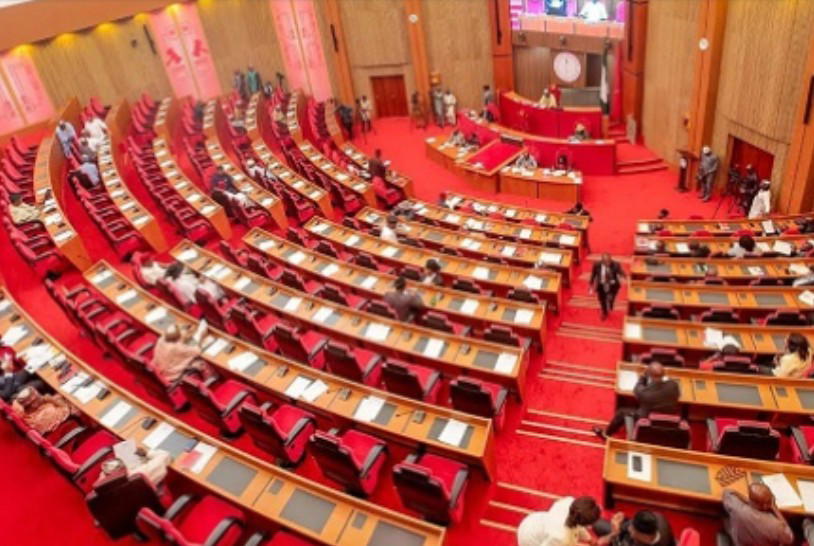
The Nigerian Senate has recently taken a decisive step towards stricter environmental enforcement within the nation's critical petroleum sector by passing a new bill. This legislative action represents a significant move to overhaul the existing framework governing environmental compliance for oil and gas operations. The bill, recently passed by the Senate, is designed to introduce more robust penalties for environmental infractions, signaling a heightened commitment to protecting Nigeria's natural resources from pollution; it still requires passage by the House of Representatives and presidential assent to become law.
The core objective of this bill is to amend the National Oil Spill Detection and Response Agency (NOSDRA) Establishment Act 2006. By revising this foundational law, the Senate aims to provide explicit statutory backing for a range of punitive measures. These measures include the imposition of substantially heavier fines and the introduction of criminal sanctions, directly targeting individuals and entities responsible for environmental damage in the oil industry. This development underscores a legislative intent to move beyond mere administrative penalties towards more severe deterrents.
Legal Context
The proposed amendment to the NOSDRA Establishment Act 2006 is poised to significantly strengthen Nigerian petroleum environmental law. Currently, the existing legal provisions, while aiming to regulate environmental conduct, have often been perceived as lacking the necessary teeth to effectively deter large-scale pollution or ensure adequate remediation. The concept of "statutory backing" for fines and criminal sanctions means that these penalties will be explicitly enshrined in law, making them more difficult to challenge and ensuring their consistent application across the petroleum sector.
This legislative initiative is particularly focused on enhancing the enforcement of environmental laws specifically within the petroleum industry, a sector historically plagued by oil spills and environmental degradation. The bill's provisions for criminal sanctions represent a critical shift, introducing the potential for imprisonment for those found culpable of environmental offenses. This move is intended to elevate the consequences of non-compliance, pushing companies and their executives to prioritize environmental protection more rigorously.
Why It Matters
The passage of this Nigeria Senate oil pollution bill carries profound implications for all stakeholders operating within the country's oil and gas landscape. The introduction of criminal sanctions means that individuals responsible for environmental breaches could face jail time, a stark departure from previous regulatory approaches that primarily focused on corporate fines. This potential for an oil polluter jail Nigeria scenario is expected to act as a powerful deterrent, compelling a re-evaluation of environmental management practices across the industry.
Furthermore, the mandate for heavier fines will substantially increase the financial risks associated with environmental non-compliance. Companies operating in Nigeria's petroleum sector will now face significantly higher monetary penalties for oil spills and other environmental infractions, making robust Nigeria environmental compliance petroleum strategies not just good practice, but an economic imperative. The bill's emphasis on oil spill criminal sanctions Nigeria underscores a legislative intent to hold polluters directly accountable, fostering a more stringent regulatory environment and potentially leading to a reduction in environmental damage.
Practical Implications
This bill, once enacted, will significantly increase the legal and financial risks for companies and individuals in Nigeria's petroleum sector regarding environmental compliance. Lawyers should proactively advise clients on reviewing and strengthening their environmental management systems to mitigate exposure to severe fines and potential criminal prosecution.
Source
How does this affect you?
Get an AI analysis of this article grounded in your jurisdictions, practice areas, and any policy documents you've uploaded to Wansom.
Finish Reading the Full Story and the Expert Analysis.
Wansom is AI and can make mistakes.