
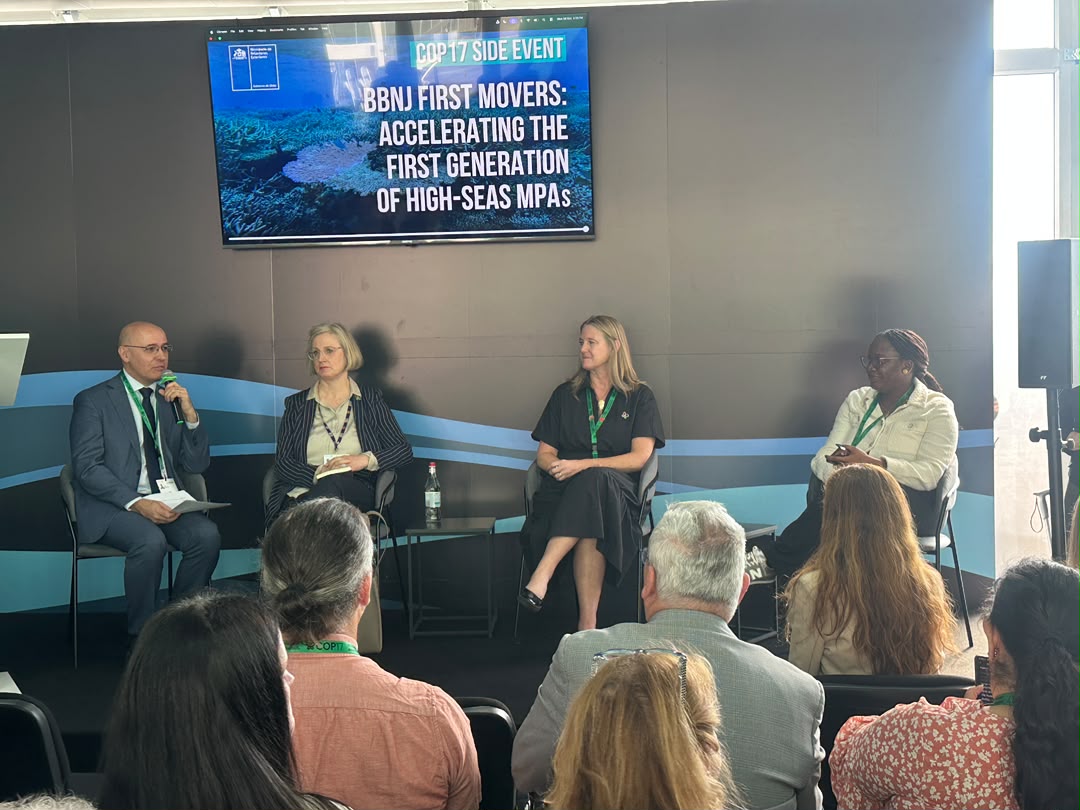
Nigeria: Forms West African High Seas Protection Alliance
Summary
- Nigeria is advocating for a West African alliance to establish and manage high-seas Marine Protected Areas (MPAs).
- Five key strategies identified for effective MPAs include regional coordination, scientific cooperation, livelihood protection, enforcement, and financing.
- This initiative aligns West African countries with the global 30x30 biodiversity target, aiming to protect 30% of land and sea by 2030.
- The effort follows discussions at CBD COP17, emphasizing a regional commitment to international conservation goals.
- The proposed alliance seeks to enhance high seas conservation in West Africa through collaborative governance and resource management.
Nigeria's Push for Regional Marine Conservation
Nigeria is actively championing the formation of a West African alliance dedicated to the protection of high seas, signaling a significant move towards enhanced marine biodiversity conservation in the region.
Nigeria is actively championing the formation of a West African alliance dedicated to the protection of high seas, signaling a significant move towards enhanced marine biodiversity conservation in the region. This initiative is centered around the establishment of effective high-seas Marine Protected Areas (MPAs), a critical component of global efforts to safeguard ocean ecosystems. The nation has outlined five core strategies to underpin this ambitious undertaking, reflecting a comprehensive approach to marine governance and environmental stewardship.
The identified strategies encompass regional coordination, scientific cooperation, the protection of livelihoods, robust enforcement mechanisms, and sustainable financing. These pillars are designed to address the multifaceted challenges inherent in managing vast marine areas beyond national jurisdiction. By advocating for a unified regional front, Nigeria aims to foster a collaborative environment where West African countries can collectively work towards shared conservation objectives, particularly in the context of the global 30x30 biodiversity target.
This proactive stance by Nigeria coincides with CBD COP17, highlighting a renewed commitment to international biodiversity goals at a regional level. The proposed alliance seeks to leverage collective strengths and resources among West African nations to implement these strategies effectively, ensuring that the high seas within their shared maritime domain receive the necessary protection and sustainable management.
Strategic Pillars for Effective MPAs
The five strategies articulated by Nigeria are fundamental to the successful implementation and long-term viability of high-seas MPAs. Regional coordination is paramount, as the high seas are a shared global commons, necessitating harmonized policies and actions across national borders. This involves establishing common frameworks for data sharing, joint surveillance, and coordinated responses to marine threats, thereby strengthening Nigeria regional marine coordination efforts.
Scientific cooperation forms another crucial element, ensuring that conservation decisions are informed by the best available data and research. This includes collaborative studies on marine ecosystems, species migration patterns, and the impacts of human activities, which are vital for designing effective MPAs. Furthermore, the strategy of livelihood protection acknowledges the dependence of coastal communities on marine resources, aiming to integrate their needs into conservation plans to ensure that MPAs benefit both nature and people.
Effective enforcement is indispensable for the integrity of any protected area, especially in the challenging environment of the high seas. This involves developing and implementing robust monitoring, control, and surveillance systems to deter illegal activities. Finally, securing sustainable financing is critical for the establishment, management, and ongoing operation of MPAs, requiring innovative funding mechanisms and international support to sustain long-term high seas conservation West Africa initiatives.
Global Targets and Regional Impact
The push for a West African high seas protection alliance is directly aligned with the global 30x30 biodiversity target, an ambitious goal to conserve at least 30 percent of the world's land and sea areas by 2030. West African countries, by engaging in this alliance, would contribute significantly to this international objective, demonstrating their commitment to addressing the global biodiversity crisis. The establishment of high-seas MPAs under this framework would not only protect critical marine habitats and species but also enhance the resilience of ocean ecosystems against climate change and other anthropogenic pressures.
This regional collaboration holds the potential to set a precedent for other maritime regions facing similar challenges in high seas governance. By pooling resources and expertise, the alliance could overcome the inherent difficulties of managing vast, remote ocean areas, which often fall outside the immediate jurisdiction of any single nation. The success of such an alliance would underscore the importance of collective action in achieving large-scale conservation outcomes, particularly in areas vital for global ecological balance.
The long-term implications of this initiative extend beyond environmental protection, potentially fostering greater political stability and economic cooperation among West African nations. By working together on a shared environmental agenda, these countries can strengthen their diplomatic ties and develop integrated approaches to sustainable development, ensuring the health of their marine environments for future generations.
Practical Implications
Lawyers and compliance officers with clients operating in West African maritime zones should monitor the development of this alliance and its strategies, as it will likely lead to new regional regulations, environmental compliance requirements, and potential restrictions on activities within future marine protected areas.
Source
How does this affect you?
Get an AI analysis of this article grounded in your jurisdictions, practice areas, and any policy documents you've uploaded to Wansom.
Finish Reading the Full Story and the Expert Analysis.
Wansom is AI and can make mistakes.