
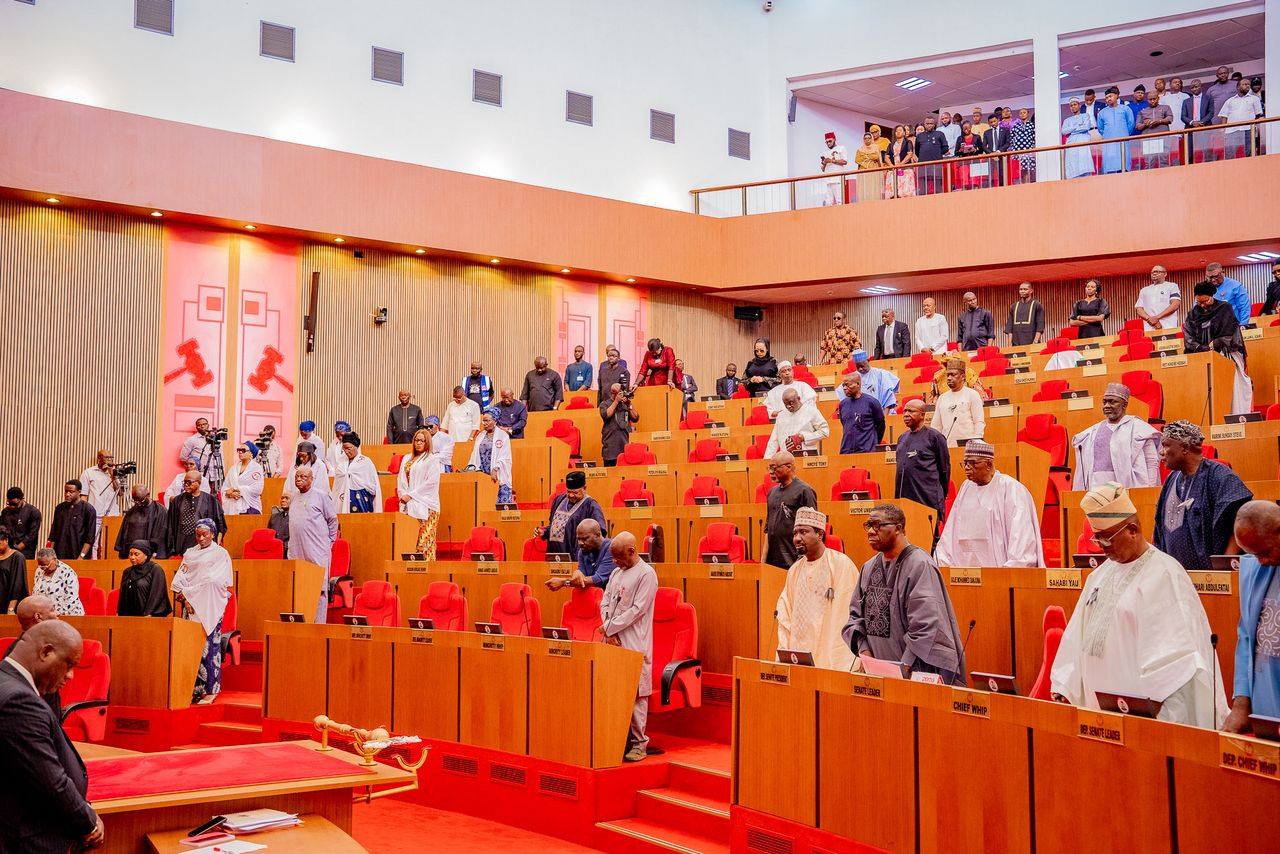
Nigeria NASS: Initiates Quarantine Act Amendment for Public Health
Summary
- Nigerian lawmakers have passed a resolution addressing the Ebola virus.
- The Senate has initiated a process to amend Nigeria's Quarantine Act.
- These legislative actions aim to strengthen the nation's public health legal framework.
- The proposed changes are intended to update the country's response to infectious disease outbreaks.
- Legal and compliance professionals should monitor these amendments for new obligations.
What Happened
For legal professionals and compliance officers operating within Nigeria, closely monitoring the progress of these proposed amendments is of paramount importance.
The Nigerian National Assembly has embarked on significant legislative initiatives aimed at bolstering the nation's public health defenses. Specifically, lawmakers within the Senate have taken decisive action concerning the country's preparedness and response mechanisms for infectious diseases. This includes the formal adoption of a resolution directly addressing the Ebola virus, a move that clearly signals a proactive and serious stance on managing potential public health emergencies. This resolution reflects a commitment to learning from past experiences and fortifying national health security.
In parallel with the passage of the Ebola resolution, the Senate has also initiated the process to revise Nigeria's existing Quarantine Act. This legislative undertaking indicates a clear intent to update and strengthen the legal framework that governs public health measures, particularly those related to disease control and prevention across the country. The proposed changes to the Quarantine Act Nigeria are designed to ensure that the nation's legal instruments are robust, modern, and sufficiently equipped to handle contemporary and future health challenges effectively.
Legal Context
The current Quarantine Act serves as a cornerstone of Nigeria's public health legislation, providing the fundamental legal basis for government interventions during outbreaks of infectious diseases. However, the recent move by the National Assembly to amend this act strongly suggests that its present provisions may be considered either insufficient or outdated when viewed through the lens of recent global health crises, such as the Ebola epidemic. The Nigeria Senate public health legislation efforts are therefore strategically directed at modernizing this critical framework to meet current epidemiological demands.
The process of amending the Quarantine Act is a comprehensive undertaking that necessitates careful consideration of various intricate aspects of public health governance. Potential revisions could encompass the granting of new powers to health authorities, the establishment of updated protocols for disease surveillance and containment, and the introduction of revised penalties for non-compliance with public health directives. The legislative journey for these proposed changes will involve thorough scrutiny and extensive debate within the National Assembly, ultimately shaping Nigeria's future Ebola response legal framework and its broader capacity to manage health emergencies with greater efficacy.
Why It Matters
The dual decision by the National Assembly to pass an Ebola resolution and concurrently initiate amendments to the Quarantine Act carries substantial implications for Nigeria's public health infrastructure and its overarching legal landscape. These actions unequivocally underscore a recognition at the highest legislative level of the urgent need for a more comprehensive, adaptable, and effective legal framework to protect citizens from the persistent threat of infectious diseases. The ongoing legislative work by NASS on the Nigeria Quarantine Act amendment represents a pivotal development in the nation's health policy.
For legal professionals and compliance officers operating within Nigeria, closely monitoring the progress of these proposed amendments is of paramount importance. The anticipated changes could introduce entirely new compliance obligations for businesses and individuals, significantly alter existing restrictions on movement or activities, or grant expanded powers to public health authorities in times of crisis. Understanding these potential shifts is absolutely vital for ensuring future adherence to regulations and for effectively navigating the evolving public health environment in Nigeria. These legislative efforts signify a crucial step towards bolstering the nation's resilience against future health crises and ensuring a more secure public health future.
Practical Implications
Lawyers and compliance officers should monitor the progress of the proposed amendments to Nigeria's Quarantine Act, particularly those related to public health emergencies like Ebola, to understand potential new compliance obligations, restrictions, or powers that may affect businesses and individuals.
Source
How does this affect you?
Get an AI analysis of this article grounded in your jurisdictions, practice areas, and any policy documents you've uploaded to Wansom.
Finish Reading the Full Story and the Expert Analysis.
Wansom is AI and can make mistakes.