
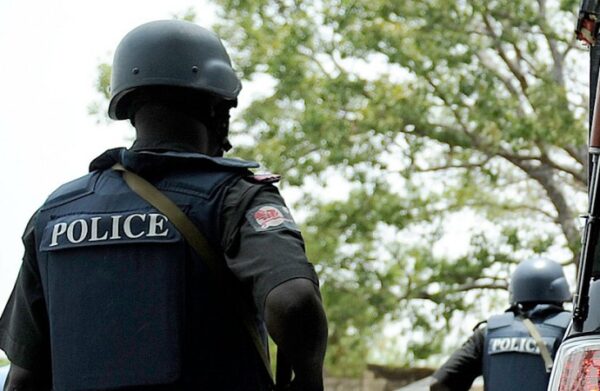
Nigeria Police: Rescue Trafficked Child, ₦4M Adoption Scheme Uncovered
Summary
- Nigerian police successfully rescued an 11-year-old girl involved in a suspected child trafficking case.
- A suspect admitted to paying ₦4 million, claiming the money was for the child's "adoption."
- This incident highlights the illegal practice of exchanging money for children outside of legal adoption channels.
- The case underscores the ongoing challenges in combating child trafficking and enforcing child protection laws in Nigeria.
What Happened
The payment of ₦4 million for an 'adoption' as claimed by the suspect directly contravenes established legal frameworks governing child welfare.
Nigerian police recently conducted an operation that resulted in the rescue of an 11-year-old girl, who was found to be at the center of a suspected child trafficking scheme. This intervention brought to light a significant financial transaction linked to the child's acquisition.
During the investigation, a suspect involved in the case informed authorities that a sum of ₦4 million had been paid. The suspect asserted that this substantial amount was intended for the "adoption" of the young girl. The police action underscores the ongoing efforts to combat illicit activities targeting vulnerable children across the nation.
Legal Context of Illegal Adoption and Trafficking
This incident critically highlights the severe legal ramifications surrounding illegal child adoption and human trafficking in Nigeria. The claim of a ₦4 million payment for an "adoption" directly violates the country's established legal frameworks designed to safeguard child welfare. Legitimate adoption processes in Nigeria are highly regulated and do not permit direct financial transactions between individuals for the child themselves, beyond official administrative fees.
Such payments are often indicative of deeper criminal enterprises, including child trafficking, which is a grave offense under Nigerian human trafficking law. This legislation specifically targets the exploitation of minors, who are frequently acquired or moved through deceptive or coercive means for various illicit purposes. The Trafficking in Persons (Prohibition) Enforcement and Administration Act, 2015, is the current federal law addressing human trafficking in Nigeria. The rescue of the 11-year-old girl emphasizes the persistent challenges in upholding and enforcing these vital child protection laws throughout Nigeria.
Why It Matters
The rescue of the 11-year-old girl and the revelation of a ₦4 million payment for her purported "adoption" serve as a stark reminder of the pervasive issue of child trafficking in Nigeria. This case vividly illustrates how substantial financial incentives can drive illegal child adoption schemes, thereby exposing vulnerable children to immense dangers and exploitation. The considerable sum involved suggests either a well-organized network or a high perceived value in these illicit transactions, further complicating efforts to protect minors.
Incidents of this nature not only infringe upon the fundamental rights of children but also severely undermine the integrity and trustworthiness of legitimate adoption processes. The swift intervention by the Nigeria police rescue trafficked child is a crucial step in dismantling these criminal operations and ensuring that perpetrators face justice. It also necessitates heightened public awareness and vigilance regarding the sophisticated methods employed by those engaged in human trafficking in Nigeria, particularly when targeting children. The continued prevalence of such cases demands robust enforcement of child protection law Nigeria and proactive measures to prevent children from becoming victims of these exploitative practices.
Practical Implications
Lawyers should be aware of the ongoing prevalence and methods of child trafficking and illegal adoption schemes in Nigeria, as highlighted by this case involving a significant payment for a child. This underscores the critical need for robust due diligence in any adoption process and vigilance against potential criminal liabilities under Nigerian human trafficking and child protection laws.
Source
How does this affect you?
Get an AI analysis of this article grounded in your jurisdictions, practice areas, and any policy documents you've uploaded to Wansom.
Finish Reading the Full Story and the Expert Analysis.
Get the latest legal & regulatory intelligence in Nigeria
Wansom is AI and can make mistakes.