
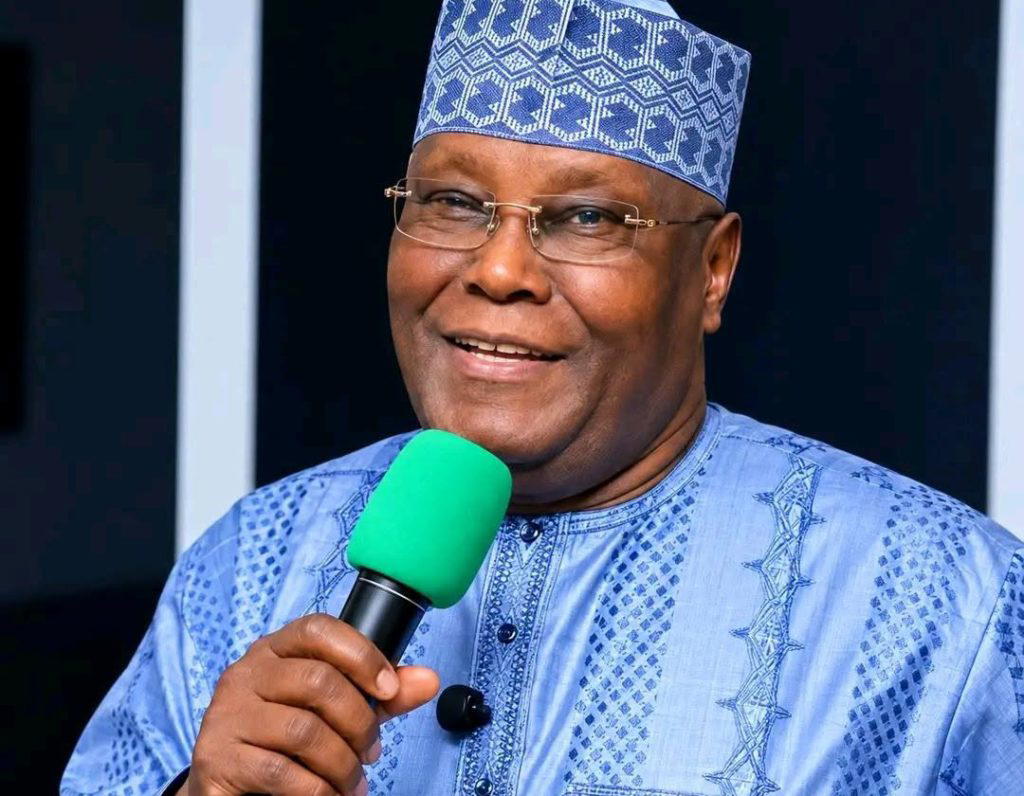
Federal High Court: Atiku Abubakar Candidacy Nullified, ADC NWC Sacked
Summary
- A Federal High Court judgment on November 5, 2026, sacked the David Mark-led National Working Committee of the African Democratic Congress, a decision the party is appealing.
- The same judicial ruling also nullified Atiku Abubakar’s nomination as the ADC’s presidential candidate for the 2027 general elections, which he and the party plan to appeal.
- High Chief Peter Ameh, the National Democratic Congress senatorial candidate for Kogi East, warned opposition parties against celebrating the court's decision.
- Ameh suggested that the All Progressives Congress desires infighting among opposition groups.
- He emphasized that the ruling should not be perceived as a cause for celebration for the opposition.
Court Overturns ADC Leadership and Candidate Status
Lawyers advising political parties or candidates in Nigeria should closely monitor judicial pronouncements regarding candidate eligibility and party leadership, as these rulings can significantly alter the political landscape and necessitate strategic adjustments or further legal action to protect client interests.
A recent judicial pronouncement has significantly reshaped the internal dynamics of the African Democratic Congress (ADC) and impacted a prominent presidential aspirant. A Federal High Court judgment on November 5, 2026, nullified the leadership of the African Democratic Congress (ADC) National Working Committee (NWC) led by David Mark, a decision the party plans to appeal. This ruling has immediate and far-reaching consequences for the party's structure and its operational capacity.
Crucially, the same ruling also nullified Atiku Abubakar's nomination as the ADC's presidential candidate for the 2027 general elections, a decision he and the party intend to appeal. This aspect of the decision directly affects the eligibility of a key political figure, raising questions about his participation in future electoral processes. The court's intervention underscores the judiciary's role in arbitrating disputes within political organizations and determining the validity of candidacies, a common feature of the Nigerian political landscape. The implications of the decision to sack the David Mark-led ADC NWC extend beyond just the individuals involved, potentially influencing the party's strategic direction.
Opposition Cautioned Against Celebration
Following the significant court ruling, High Chief Peter Ameh, who is the National Democratic Congress (NDC) senatorial candidate for Kogi East, issued a stern "Peter Ameh Atiku verdict warning" to various opposition factions. Ameh explicitly advised against any celebration of the judgment that both removed the ADC's NWC and invalidated Atiku Abubakar's candidacy. His counsel suggests a strategic perspective on the outcome, urging fellow opposition members to view the development with caution rather than jubilation.
Ameh's warning highlighted a concern that such internal strife or perceived weaknesses within the opposition could be exploited by rival political entities. He articulated that the All Progressives Congress (APC) would likely welcome and potentially benefit from disunity and infighting among opposition parties. Therefore, the "Atiku Abubakar candidacy nullified judgment" should not be interpreted as a victory for the broader opposition, but rather as a potential trap that could weaken their collective front.
Broader Ramifications for Nigerian Electoral Politics
The recent "Nigeria election court judgment" carries substantial weight for the country's political ecosystem, particularly concerning candidate eligibility and the stability of party leadership. Such judicial interventions serve as critical reminders for political parties and their legal advisors to meticulously adhere to constitutional provisions and internal party regulations. The ruling that led to the nullification of the David Mark-led ADC NWC and Atiku Abubakar's candidacy for the 2027 general elections exemplifies how court decisions can fundamentally alter the political trajectory of individuals and entire organizations.
Lawyers advising political parties or candidates in Nigeria should closely monitor judicial pronouncements regarding candidate eligibility and party leadership, as these rulings can significantly alter the political landscape and necessitate strategic adjustments or further legal action to protect client interests. This particular verdict underscores the dynamic and often unpredictable nature of electoral law in Nigeria, where legal challenges can emerge at various stages, from party primaries to post-election petitions, profoundly impacting the democratic process. The outcome reinforces the necessity for robust legal strategies and a clear understanding of judicial precedents in navigating the complexities of Nigerian politics.
Practical Implications
Lawyers advising political parties or candidates in Nigeria should closely monitor judicial pronouncements regarding candidate eligibility and party leadership, as these rulings can significantly alter the political landscape and necessitate strategic adjustments or further legal action to protect client interests.
Source
How does this affect you?
Get an AI analysis of this article grounded in your jurisdictions, practice areas, and any policy documents you've uploaded to Wansom.
Wansom is AI and can make mistakes.