
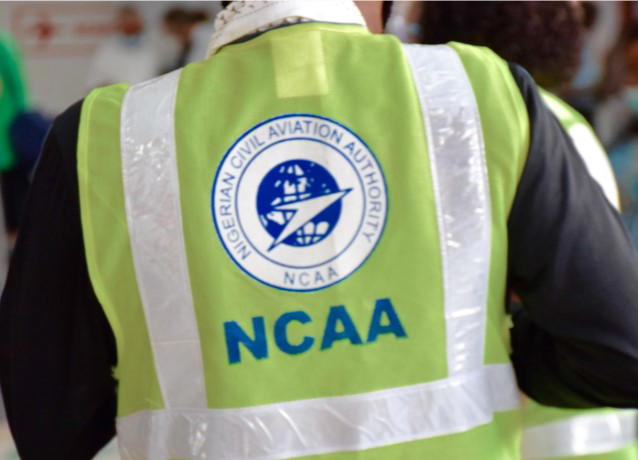
Nigeria NCAA: AOG Operations Directive Mandates Flight Cuts
Summary
- The Nigeria Civil Aviation Authority (NCAA) has directed domestic airlines to reduce their flight operations.
- This mandate applies whenever aircraft are grounded due to technical issues, a state referred to as 'Aircraft on Ground' (AOG).
- The primary goal of this Nigeria NCAA AOG operations directive is to prevent excessive disruption and hardship for passengers.
- Michael Achimugu, Director of Public Affairs and Consumer Protection at the NCAA, publicly announced this new policy.
What Happened
The core of the directive requires carriers to implement an immediate reduction in their flight operations whenever an aircraft is grounded for technical reasons.
The Nigeria Civil Aviation Authority (NCAA) has issued a significant Nigeria NCAA AOG operations directive, mandating domestic airlines to curtail their flight schedules whenever aircraft are rendered inoperable due to technical malfunctions. This measure, specifically targeting "Aircraft on Ground" (AOG) situations, aims to proactively mitigate widespread operational disruptions and alleviate passenger hardship. The directive underscores the regulatory body's commitment to ensuring a more reliable and less stressful travel experience for the flying public.
The core of the directive requires carriers to implement an immediate reduction in their flight operations whenever an aircraft is grounded for technical reasons. This proactive approach is designed to prevent a cascading effect of delays and cancellations that typically follow an AOG event, which is defined simply as an aircraft being out of service. The instruction was publicly communicated by Michael Achimugu, who serves as the Director of Public Affairs and Consumer Protection at the NCAA, highlighting the consumer-centric motivation behind the new policy.
Regulatory Mandate and Compliance
This Nigeria Civil Aviation Authority directive represents a critical step in NCAA flight disruption management, placing a direct onus on domestic operators to align their operational capacity with their available, airworthy fleet. For Nigerian airline compliance AOG protocols will now necessitate a more stringent review of maintenance schedules, spare parts availability, and contingency planning. Airlines must re-evaluate their operational resilience, as the directive effectively limits their ability to maintain ambitious flight schedules with a reduced number of operational aircraft.
The regulatory framework underpinning this directive emphasizes the NCAA's role in safeguarding both aviation safety and consumer interests. By compelling airlines to scale back operations rather than attempt to maintain schedules with insufficient resources, the authority seeks to prevent a common source of passenger frustration and potential safety compromises. This move signals a heightened expectation for carriers to demonstrate robust operational integrity and transparently manage their fleet status, ensuring that scheduled flights can be reliably executed.
Broader Impact and Industry Implications
The implications of this Nigeria NCAA AOG operations directive extend beyond immediate operational adjustments, potentially reshaping the competitive landscape and passenger expectations within the Nigerian aviation sector. Airlines face the challenge of adapting their business models to accommodate periods of reduced capacity, which could impact revenue streams and necessitate adjustments to pricing strategies. Furthermore, the directive implicitly raises the bar for fleet maintenance and technical support, as frequent AOG incidents will now directly translate into mandatory operational cutbacks.
From a passenger perspective, while the immediate inconvenience of a reduced schedule might occur, the long-term benefit is intended to be a more predictable and less disruptive travel environment. This directive could also influence passenger compensation claims and contractual obligations, as airlines will be expected to manage disruptions more effectively under the new guidelines. Ultimately, the NCAA's stance aims to foster greater accountability among domestic airlines, promoting a culture where operational reliability and passenger welfare are prioritized, thereby enhancing the overall reputation and efficiency of air travel in Nigeria.
Practical Implications
Airlines' legal and compliance teams must review operational protocols to ensure adherence to the NCAA's directive regarding AOG aircraft, potentially impacting scheduling, passenger compensation, and contractual obligations. Non-compliance could lead to regulatory penalties or increased liability for operational disruptions.
Source
How does this affect you?
Get an AI analysis of this article grounded in your jurisdictions, practice areas, and any policy documents you've uploaded to Wansom.
Finish Reading the Full Story and the Expert Analysis.
Wansom is AI and can make mistakes.