
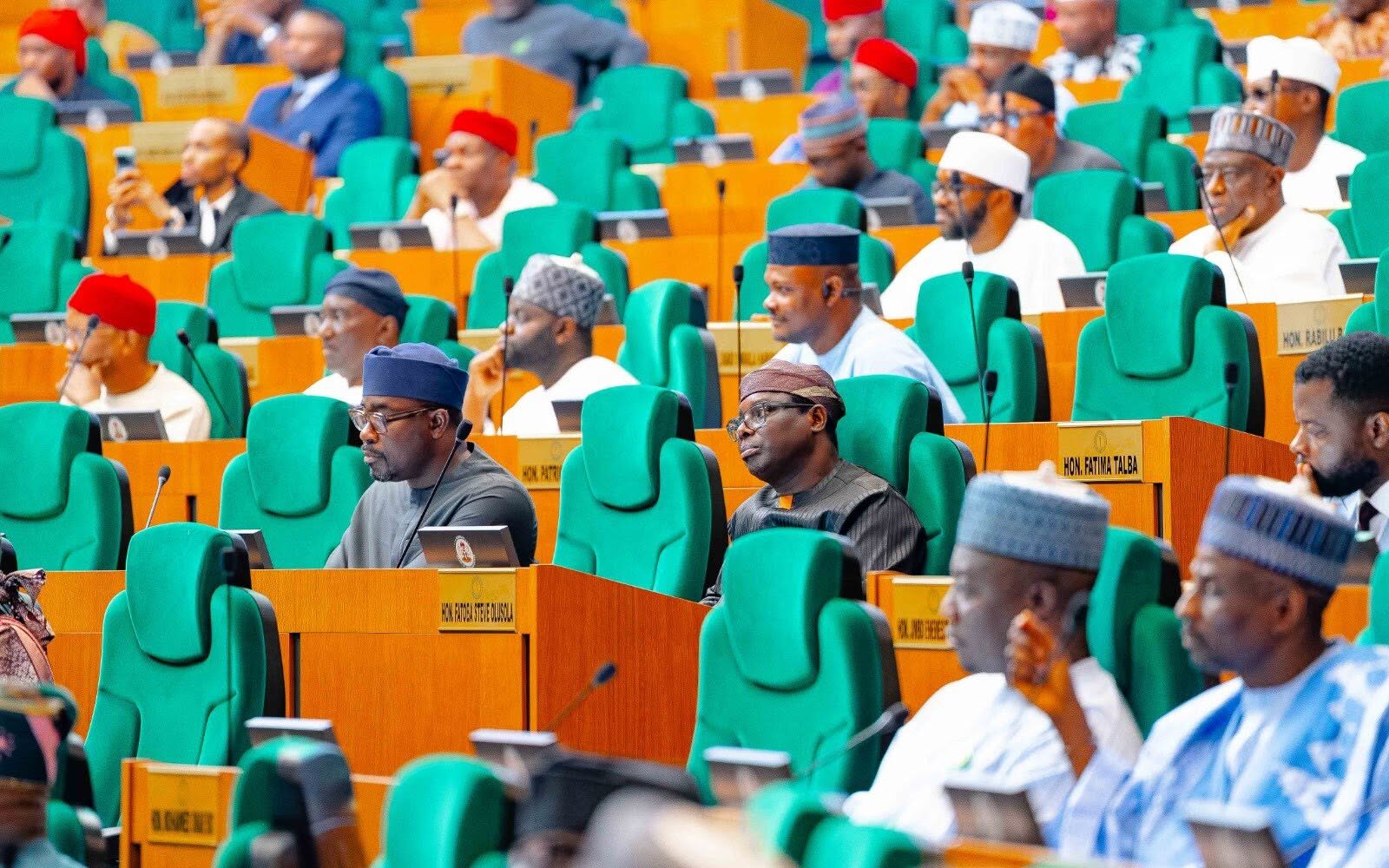
Nigerian House: National Authority for Renewable Energy Bill Advances
Summary
- A bill to establish a National Authority for Renewable Energy has passed its second reading in the Nigerian House of Representatives.
- The proposed authority would centralize renewable energy functions currently held by the Nigerian Electricity Regulatory Commission, Rural Electrification Agency, and Rural Electrification Fund.
- The legislation aims to transfer all renewable energy responsibilities from these existing bodies to the new authority.
- This move is expected to streamline regulation and accelerate the development of renewable energy in Nigeria.
Legislative Progress on Renewable Energy Authority
The establishment of a National Authority for Renewable Energy could mark a pivotal moment for Nigeria's clean energy transition.
The Nigerian House of Representatives has advanced a significant piece of Nigeria renewable energy legislation, passing a bill for its second reading. This proposed law aims to fundamentally reshape the regulatory framework for renewable energy within the country by establishing a new, dedicated entity: the National Authority for Renewable Energy.
The core objective of this Nigeria National Authority for Renewable Energy bill is to centralize functions currently dispersed across various existing bodies. Should the bill be enacted, it would facilitate the transfer of all renewable energy-related responsibilities from the Nigerian Electricity Regulatory Commission (NERC), the Rural Electrification Agency (REA), and the Rural Electrification Fund (REF) to this newly created authority.
Current Regulatory Landscape and Proposed Changes
Currently, the oversight and promotion of renewable energy in Nigeria are handled by multiple organizations, leading to a fragmented approach. The Nigerian Electricity Regulatory Commission (NERC) holds regulatory powers over the electricity sector, which includes aspects of renewable energy generation and distribution. Simultaneously, the Rural Electrification Agency (REA) is tasked with expanding access to electricity in rural and unserved areas, often through renewable energy solutions, while the Rural Electrification Fund (REF) provides financial support for such initiatives.
The proposed National Authority for Renewable Energy establishment seeks to consolidate these diverse functions under a single, specialized body. This consolidation is intended to create a more coherent and efficient regulatory and developmental environment for the sector. The bill specifically outlines the transfer of Nigerian Electricity Regulatory Commission renewable energy transfer duties, as well as the Rural Electrification Agency functions bill provisions, to the new authority.
Implications for Nigeria's Energy Sector
The establishment of a National Authority for Renewable Energy could mark a pivotal moment for Nigeria's clean energy transition. By centralizing responsibilities, the new authority is expected to provide clearer policy direction, streamline licensing and compliance processes, and foster more focused investment in renewable energy projects across the nation. This dedicated focus could accelerate the deployment of sustainable energy solutions and enhance energy access.
For stakeholders within Nigeria's energy sector, particularly those involved in renewable energy development, the progress of this Nigerian House of Representatives renewable energy bill is crucial. Its eventual passage would significantly alter the institutional landscape, potentially impacting operational procedures, regulatory compliance, and the overall strategic planning for renewable energy initiatives in the country.
Practical Implications
Lawyers advising clients in Nigeria's energy sector, particularly renewable energy, should monitor the progress of this bill. Its passage would significantly alter the regulatory landscape by centralizing renewable energy functions under a new authority, potentially impacting compliance requirements, licensing procedures, and operational oversight for projects.
Source
How does this affect you?
Get an AI analysis of this article grounded in your jurisdictions, practice areas, and any policy documents you've uploaded to Wansom.
Finish Reading the Full Story and the Expert Analysis.
Get the latest legal & regulatory intelligence in Nigeria
Wansom is AI and can make mistakes.