
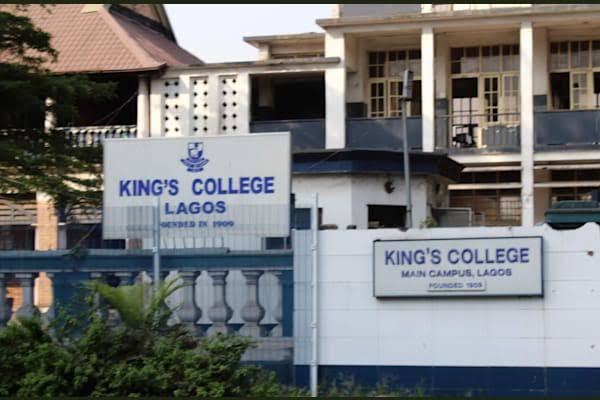
Nigeria: King's College Concessionaire Addresses Stakeholder Concerns
Summary
- The concessionaire for King's College in Nigeria has stated its belief that it has taken adequate steps to address concerns.
- Parents and Old Boys of King's College have expressed fears regarding the ongoing concession agreement.
- The concessionaire's public statement indicates an effort to reassure stakeholders about the public-private partnership.
What is Reported
The concessionaire maintains the view that it has undertaken sufficient measures to address the apprehensions articulated by the concerned parties.
The ongoing King's College concession in Nigeria has drawn attention from various stakeholders, including parents and former students, often referred to as Old Boys. Amidst concerns raised by these groups, the concessionaire involved in the public-private partnership has publicly stated its position. The concessionaire maintains the view that it has undertaken sufficient measures to address the apprehensions articulated by the concerned parties.
This assertion suggests an acknowledgment of existing anxieties surrounding the arrangement and a proactive stance from the concessionaire to mitigate them. This development highlights a common dynamic in public-private partnership education Nigeria, where the implementation of such agreements often necessitates careful management of stakeholder expectations and fears. While the specific nature of the concerns from parents and Old Boys, or the detailed steps taken by the concessionaire, are not elaborated upon, the statement itself indicates an ongoing dialogue or at least an attempt to reassure the community. The concessionaire's perspective underscores the importance of perceived responsiveness in these complex arrangements.
Legal and Regulatory Framework
Concession agreements, particularly those involving educational institutions like King's College, operate within a specific legal and regulatory framework governing public-private partnerships. These frameworks typically define the rights and obligations of both the government entity granting the concession and the private concessionaire. Such agreements are designed to facilitate private sector investment and expertise in public services, often with the aim of improving infrastructure or service delivery. However, they also introduce complexities regarding oversight, accountability, and the protection of public interest.
For firms advising concessionaires on contract terms and regulatory compliance, this situation underscores the necessity of robust stakeholder engagement strategies and transparent communication, which can be as critical as the legal clauses themselves. The assertion by the concessionaire that adequate steps have been taken to address fears implies an understanding of their responsibilities beyond mere contractual compliance. It suggests an awareness of the broader social and ethical dimensions inherent in managing a revered institution. The legal implications of such a Nigerian school privatization often extend to ensuring that the terms of the King's College concession agreement are not only legally sound but also perceived as fair and beneficial by the affected community.
Implications for Stakeholders
The concessionaire's declaration holds significant implications for the various stakeholders invested in King's College. For parents, concerns in such public-private education partnerships often revolve around issues such as tuition fees, academic standards, access, and the preservation of the school's heritage and ethos under private management. Similarly, for Old Boys, who frequently maintain deep emotional and financial ties to their alma mater, anxieties might center on the potential erosion of traditions, governance structures, or the overall identity of the institution. The concessionaire's statement, therefore, serves as a direct response to these collective anxieties, aiming to build trust and legitimacy for the King's College concession.
The success of any public-private partnership in education, including the King's College concession Nigeria, often hinges on the effective management of these stakeholder relationships. When a concessionaire asserts that "adequate steps" have been taken, it signals an attempt to bridge the gap between operational realities and community expectations. This dynamic highlights why legal professionals advising on Nigeria education PPP legal implications must consider not only the letter of the law but also the spirit of community engagement and the potential for dispute resolution if assurances are not met or perceived as insufficient. The ongoing dialogue, even if one-sided in this report, is crucial for the long-term viability and acceptance of the concession.
Practical Implications
This concession agreement for King's College in Nigeria presents potential legal considerations for firms advising concessionaires on contract terms, regulatory compliance, and stakeholder engagement. Lawyers may also represent parents and old boys concerned about the deal's implications, requiring expertise in dispute resolution or public law.
Source
How does this affect you?
Get an AI analysis of this article grounded in your jurisdictions, practice areas, and any policy documents you've uploaded to Wansom.
Finish Reading the Full Story and the Expert Analysis.
Get the latest legal & regulatory intelligence in Nigeria
Wansom is AI and can make mistakes.