
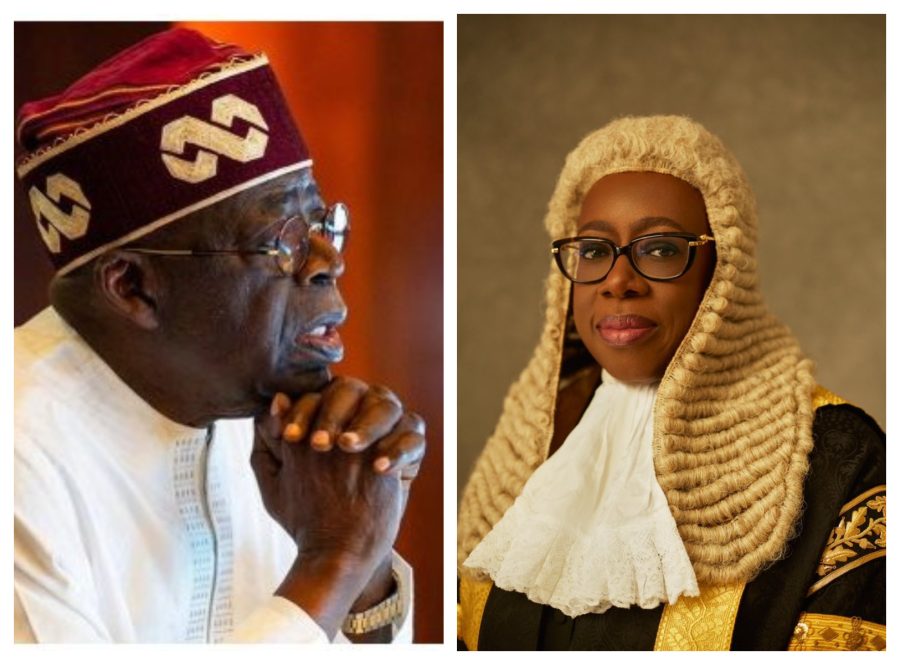
Nigeria: Judicial Appointments Executive Control Under Scrutiny
Summary
- Nigeria is currently facing challenges in strengthening its democratic system.
- Judicial reformers have reached a consensus regarding the need for change in judicial appointments.
- They advocate for a review of the absolute power held by elected executives over these appointments.
The Call for Judicial Reform
Reformers contend that the absolute power currently exercised by elected executives over the Nigerian judicial selection process warrants immediate scrutiny and potential modification.
The ongoing discourse surrounding Nigeria's democratic development has brought a critical aspect of its governance structure into sharp focus: the process of appointing judges. A significant and unified perspective has emerged from judicial reformers, who are advocating for a thorough re-evaluation of the authority vested in elected executives concerning these crucial appointments. This collective viewpoint underscores a belief that the current framework grants an excessive degree of influence to political leaders in the selection of judicial officers.
Reformers contend that the absolute power currently exercised by elected executives over the Nigerian judicial selection process warrants immediate scrutiny and potential modification. This call for review is not merely a suggestion but represents a deeply held conviction among those dedicated to strengthening the nation's legal institutions. The objective is to address concerns that such extensive executive control could potentially undermine the impartiality and effectiveness of the judiciary, which is a cornerstone of any robust democracy.
Context of Democratic Consolidation
Nigeria is presently engaged in a complex and multifaceted endeavor to solidify its democratic foundations. This national undertaking involves addressing various systemic challenges to ensure the stability and integrity of its governance. Within this broader context, the nature of Nigeria judicial appointments executive control becomes particularly pertinent, as the judiciary plays an indispensable role in upholding the rule of law and safeguarding citizens' rights.
The process by which judges are selected is seen as a barometer for the health of a democratic system. As the nation strives for greater democratic maturity, the mechanisms governing the appointment of judicial personnel are naturally subjected to intense scrutiny. The push for judicial reform in Nigeria executive power is thus intrinsically linked to the wider national aspiration of achieving a truly consolidated and resilient democratic state, where institutions function independently and effectively.
Implications for Judicial Independence
The concerns raised by judicial reformers directly impinge upon the fundamental principle of judicial independence, a cornerstone of constitutional law in Nigeria. When elected executives wield what is described as "absolute power" over judicial appointments, it inevitably raises questions about the potential for political influence to permeate the judiciary. Such a scenario could compromise the perceived and actual impartiality of judges, thereby impacting public trust in the legal system and the integrity of court decisions.
A thorough review of this executive authority is deemed essential to reinforce the separation of powers in Nigeria judicial appointments. This constitutional doctrine mandates distinct roles for the executive, legislative, and judicial branches, preventing any single branch from dominating the others. Reformers argue that re-evaluating the current system of executive control is vital to ensure that the judiciary can operate without undue pressure, thereby upholding its critical role as an impartial arbiter of justice and a check on governmental power. The outcome of such a review could significantly shape the future landscape of the Nigerian judicial selection process, influencing how justice is administered and perceived across the nation.
Practical Implications
Lawyers and compliance officers in Nigeria should monitor ongoing discussions and potential legislative or constitutional reforms concerning judicial appointments, as changes to the executive's influence could impact judicial independence, the integrity of court decisions, and future legal strategies.
Source
How does this affect you?
Get an AI analysis of this article grounded in your jurisdictions, practice areas, and any policy documents you've uploaded to Wansom.
Finish Reading the Full Story and the Expert Analysis.
Get the latest legal & regulatory intelligence in Nigeria
Wansom is AI and can make mistakes.