
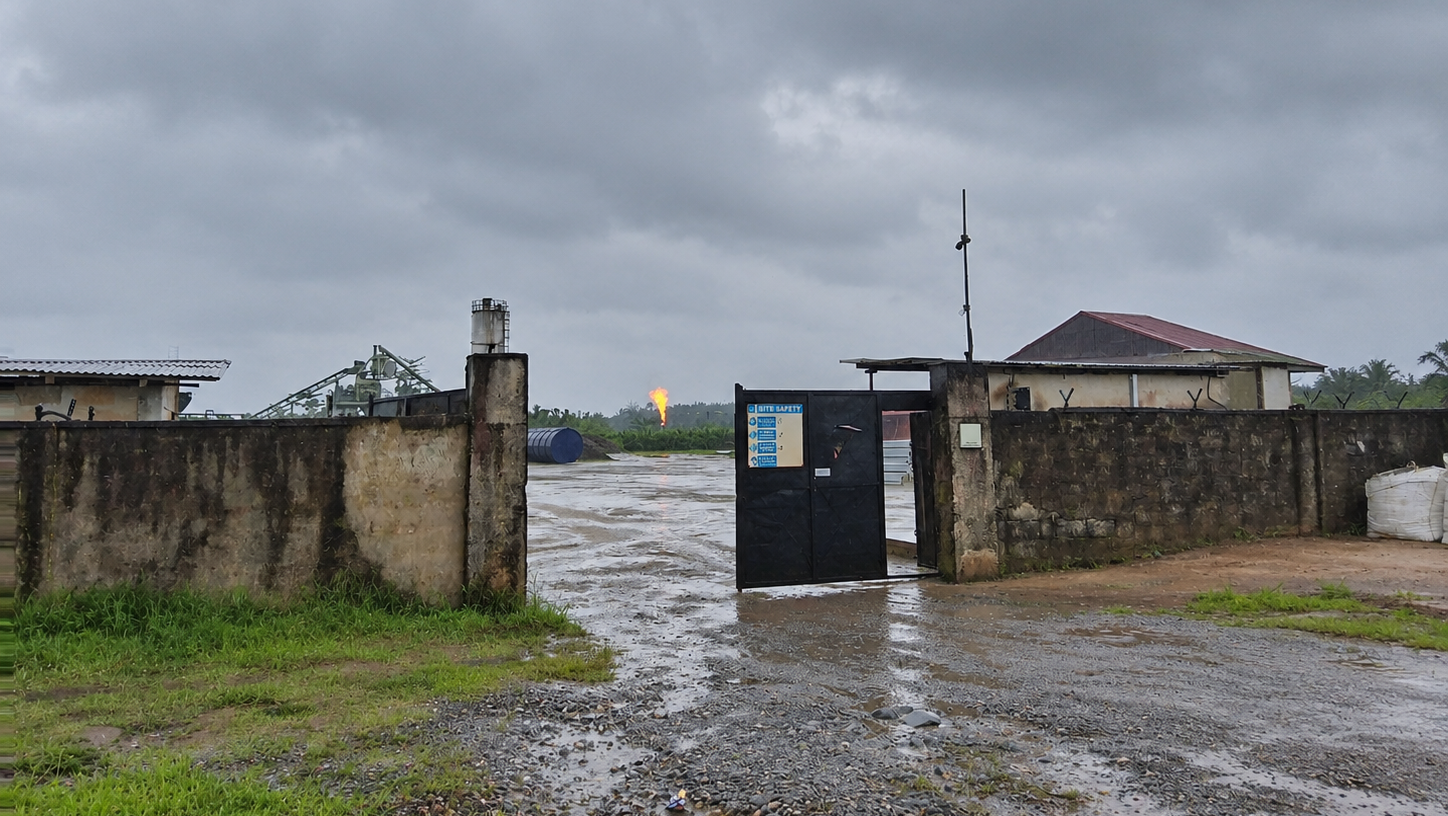
Nigeria: Lax Gas Flaring Enforcement Undermines Emissions Targets
Summary
- Oil and gas companies in Nigeria are continuing to flare gas.
- This ongoing practice is undermining Nigeria's national emissions targets.
- The primary reason for the persistence of gas flaring is lax enforcement of environmental regulations.
- This situation contributes significantly to Nigeria's broader methane problem.
Persistent Gas Flaring Undermines Nigeria's Climate Goals
The reported laxity in Nigeria gas flaring enforcement could foreshadow future crackdowns or intensified scrutiny from regulatory bodies.
Oil and gas companies operating within Nigeria are reportedly continuing the practice of gas flaring, a significant environmental concern that directly contributes to the nation's broader methane problem. This persistent activity is actively undermining Nigeria's established emissions targets, hindering the country's progress toward its environmental commitments.
A primary factor enabling this ongoing flaring, despite existing environmental regulations, is the reported lax enforcement of relevant statutes and guidelines. The current state of Nigeria gas flaring enforcement suggests a disconnect between regulatory intent and practical implementation, allowing practices that run counter to national environmental objectives.
This continued flaring by the oil and gas sector highlights a critical challenge in Nigeria's efforts to manage its environmental footprint. The implications extend beyond immediate pollution, impacting the nation's ability to demonstrate effective climate change compliance on a global stage.
The Challenge of Regulatory Compliance
The effectiveness of Nigeria's environmental regulations in the oil and gas sector is being severely hampered by a reported lack of stringent oversight. This lax enforcement means that despite national and international commitments to reduce environmental impact, oil and gas companies face insufficient pressure to cease gas flaring activities.
Nigeria has set specific emissions targets, indicating a national commitment to addressing climate change and reducing pollution from industrial activities. However, the continued flaring of gas by industry players, unhindered by robust Nigeria emissions targets enforcement, directly impedes the country's progress toward these crucial environmental benchmarks.
The absence of consistent and forceful application of existing rules creates an environment where compliance with environmental regulations Nigeria oil gas becomes optional rather than mandatory for some operators. This regulatory gap allows for the perpetuation of practices that are detrimental to the environment and inconsistent with the nation's stated climate goals.
Implications for Nigeria's Environmental Commitments
The ongoing situation, characterized by persistent gas flaring and lax enforcement, carries significant implications for Nigeria's climate change compliance efforts. By failing to adequately enforce its own environmental regulations, Nigeria risks falling short of its national and international emissions targets, potentially impacting its standing in global climate discussions and its ability to secure climate-related investments.
This current regulatory landscape signals a potential inflection point; the reported laxity in Nigeria gas flaring enforcement could foreshadow future crackdowns or intensified scrutiny from regulatory bodies. Such a shift would necessitate a more rigorous approach to environmental compliance across the oil and gas sector, potentially including more significant gas flaring penalties Nigeria.
Legal professionals and compliance officers should therefore advise clients in the oil and gas sector to proactively review their gas flaring practices and strengthen their environmental compliance frameworks. Preparing for potential policy shifts or stricter enforcement is crucial to mitigate future risks and ensure long-term operational sustainability in a changing regulatory environment, aligning with evolving Nigeria oil gas methane compliance expectations.
Practical Implications
The reported lax enforcement of gas flaring regulations in Nigeria's oil and gas sector signals potential future regulatory crackdowns or increased scrutiny. Lawyers and compliance officers should advise clients to review their gas flaring practices and environmental compliance frameworks to mitigate future risks and prepare for potential policy shifts or stricter enforcement.
Source
How does this affect you?
Get an AI analysis of this article grounded in your jurisdictions, practice areas, and any policy documents you've uploaded to Wansom.
Finish Reading the Full Story and the Expert Analysis.
Get the latest legal & regulatory intelligence in Nigeria
Wansom is AI and can make mistakes.