
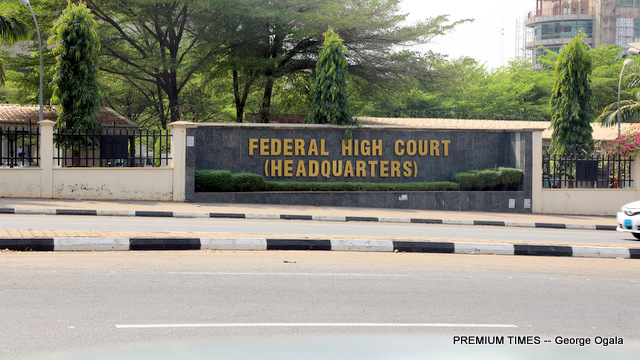
Nigeria FG: Abuja Terrorism Mass Trials Begin with 8 Judges
Summary
- The Federal Government has commenced a new series of mass trials for terrorism suspects.
- These trials began on Thursday at the court complex in Abuja.
- Eight separate judges are presiding over the cases in different courtrooms.
- This initiative represents a fresh round of counter-terrorism prosecutions by the FG.
What Happened
For criminal defense lawyers, particularly those specializing in terrorism-related matters, these mass trials represent a critical and invaluable opportunity to closely observe emerging procedural trends, judicial approaches, and the practical application of anti-terrorism laws.
The Federal Government has initiated a new series of mass trials for individuals accused of terrorism offenses, marking a significant development in the nation's counter-terrorism efforts. These crucial judicial proceedings commenced on Thursday within the expansive judicial complex located in Abuja, the nation's capital. The cases are being heard concurrently by eight distinct judges, each presiding over their own dedicated courtroom within the facility, indicating a coordinated effort to process a substantial number of defendants.
This fresh round of Nigerian terrorism suspect trials underscores the government's continued and intensified focus on prosecuting individuals implicated in acts of terror across the country. The strategic deployment of multiple judges across various courtrooms suggests an intent to accelerate the judicial process for a large caseload. These Abuja federal court terrorism cases are expected to draw considerable national and international attention due to their sensitive nature, the gravity of the charges, and the broader implications for national security and justice.
Legal Context
The commencement of these Nigeria FG terrorism mass trials Abuja highlights the unique and often complex challenges inherent in prosecuting terrorism cases within any legal framework. Such trials frequently involve intricate evidentiary requirements, including the presentation of intelligence reports, digital forensics, and sensitive witness testimonies, all of which demand meticulous handling by the courts. The sheer volume of defendants implied by the term "mass trials" can place considerable strain on judicial resources, potentially raising questions about the system's capacity to ensure thorough due process and individual attention for each accused person.
In the broader context of FG counter-terrorism prosecutions, the procedural choice to utilize multiple judges for simultaneous hearings is a deliberate approach aimed at enhancing the efficiency and speed of the judicial process. However, this strategy also imposes a significant burden on the judiciary, necessitating robust coordination among judges and a consistent application of legal principles and interpretations across different courtrooms. The Abuja federal court terrorism cases are conducted under specific anti-terrorism legislation, which typically grants broad powers to the state in prosecuting these offenses, often leading to lengthy, intricate, and high-stakes legal battles that test the limits of the justice system.
Why It Matters
The initiation of these terrorism cases Abuja judges are now presiding over carries substantial weight for the Nigerian legal landscape, the accused individuals, and the broader society. For criminal defense lawyers, particularly those specializing in terrorism-related matters, these mass trials represent a critical and invaluable opportunity to closely observe emerging procedural trends, judicial approaches, and the practical application of anti-terrorism laws. The manner in which evidence is handled, the interpretations of statutory provisions, and the eventual sentencing patterns in these cases could establish significant precedents that will profoundly influence future defense strategies, client advisories, and the overall trajectory of terrorism jurisprudence in Nigeria.
The scale of these Nigeria mass trials terrorism proceedings also brings into sharp focus the delicate balance between national security imperatives and the fundamental principles of human rights and the rule of law. Ensuring fair trial standards for a large number of defendants simultaneously, especially when addressing grave national security concerns, is a complex and challenging endeavor. The outcomes of these Abuja federal court terrorism cases will not only determine the fate of the accused individuals but also serve as a crucial indicator of the integrity, efficiency, and capacity of Nigeria's justice system in handling high-stakes and politically sensitive criminal prosecutions.
Practical Implications
Criminal defense lawyers in Nigeria, particularly those handling terrorism-related cases, should closely monitor these mass trials in Abuja for emerging procedural trends, judicial approaches, and potential precedents that could influence future defense strategies or client advisories.
Source
How does this affect you?
Get an AI analysis of this article grounded in your jurisdictions, practice areas, and any policy documents you've uploaded to Wansom.
Finish Reading the Full Story and the Expert Analysis.
Get the latest legal & regulatory intelligence in Nigeria
Wansom is AI and can make mistakes.