
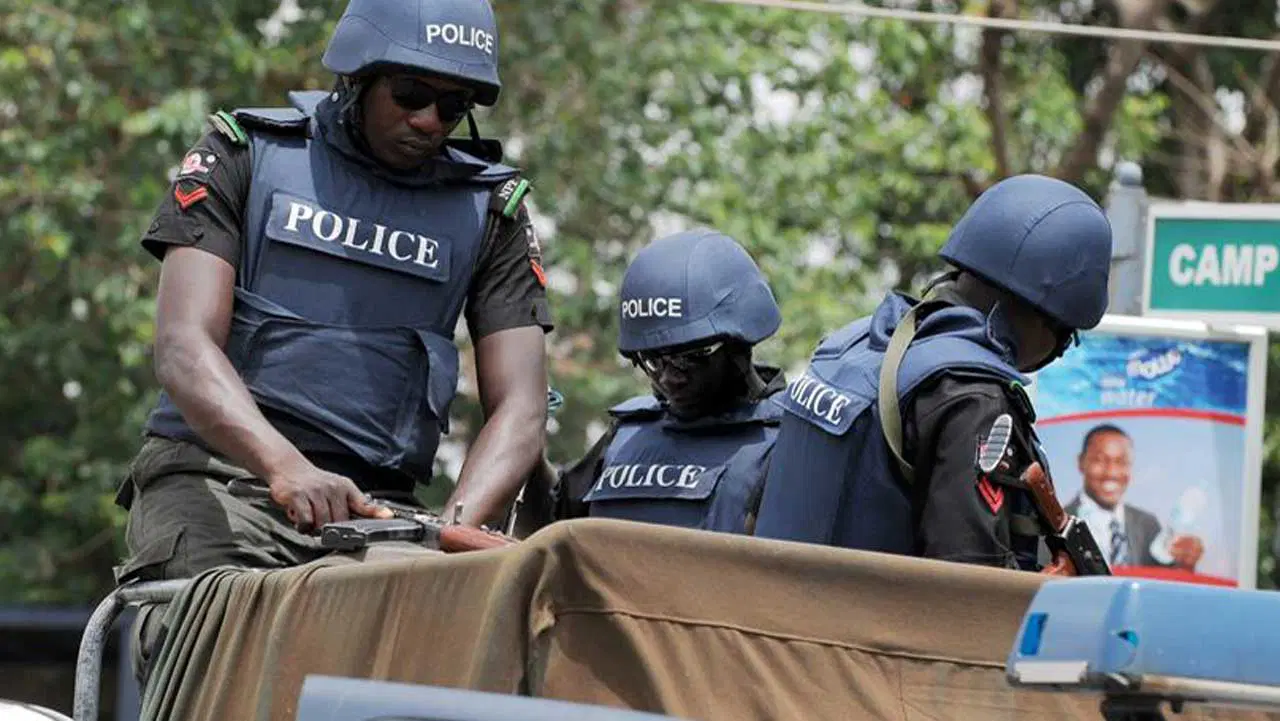
Nigerian Police: Fake Lawyer Impersonation Arrest After 10 Years
Summary
- Nigerian police arrested an individual for allegedly impersonating a lawyer for ten years.
- The arrest followed a discreet investigation initiated by a formal petition.
- The suspect faces charges of obtaining money by false pretence.
- This incident highlights ongoing concerns about legal profession integrity in Nigeria.
- The case underscores the importance of due diligence in verifying legal professionals.
The Arrest and Allegations Unveiled
This recent Nigeria fake lawyer impersonation arrest serves as a stark and timely reminder of the persistent challenges faced in maintaining legal profession integrity Nigeria.
Nigerian police authorities have confirmed the apprehension of an individual accused of unlawfully practicing law for a substantial period of ten years. This significant Nigeria fake lawyer impersonation arrest resulted from a detailed and discreet investigation meticulously carried out by operatives within the police command. The suspect is alleged to have presented themselves as a legal professional, engaging in various legal activities and offering services to the public over a protracted decade, thereby operating entirely outside the established and regulated legal frameworks of the country.
The comprehensive investigation was initiated only after the police command received a formal petition outlining the suspect's alleged fraudulent activities. This crucial petition served as the primary trigger, prompting law enforcement to dedicate resources to thoroughly examine the claims and gather evidence, which ultimately led to the individual's arrest. The core accusation against the suspect is obtaining money by false pretence, a grave criminal charge that directly addresses the deceptive nature of the alleged impersonation and the financial harm potentially inflicted upon victims.
Legal Ramifications and Regulatory Context
The charge of obtaining money by false pretence is a cornerstone of the criminal proceedings in this case, underscoring the severe legal ramifications of misrepresenting one's professional qualifications in Nigeria. This offense is treated with utmost seriousness under Nigerian law, reflecting the judiciary's commitment to safeguarding citizens from fraudulent schemes and deliberate deception. The alleged actions of this unlicensed lawyer Nigeria highlight a critical vulnerability within the system, where individuals may attempt to circumvent the stringent educational and licensing requirements mandated for legal practice.
Practicing as an attorney without being formally called to the Nigerian Bar and duly licensed by the appropriate regulatory bodies constitutes a profound breach of both professional ethics and criminal statutes. Such an act not only defrauds the public but also undermines the integrity of the legal profession itself. The Nigerian police, through the diligent work of its command operatives, are tasked with the vital responsibility of enforcing these legal standards, ensuring that only legitimately qualified and accredited individuals are permitted to provide legal services to the populace.
Safeguarding the Legal Profession's Integrity
This recent Nigeria fake lawyer impersonation arrest serves as a stark and timely reminder of the persistent challenges faced in maintaining legal profession integrity Nigeria. The revelation that an individual could allegedly operate as a fake lawyer for a full decade raises serious questions about the existing verification processes for legal practitioners and the potential for widespread harm to unsuspecting clients. Incidents of this nature inevitably erode public trust in the legal system and emphasize the critical need for more robust and proactive regulatory oversight mechanisms to prevent such prolonged deception.
For legal professionals, compliance officers, and indeed, the general public, this case underscores the paramount importance of heightened due diligence when engaging or verifying legal counsel. It is essential to confirm that any individual offering legal services is genuinely qualified, properly licensed, and in good standing with the relevant professional bodies. The potential for a Nigerian police fake lawyer to cause significant damage, both financial and reputational, necessitates continuous vigilance and a collective effort to uphold the ethical standards and credibility of the legal community.
Practical Implications
Lawyers and compliance officers in Nigeria should be aware of the ongoing issue of legal impersonation, as highlighted by this arrest, and reinforce due diligence practices when engaging or verifying legal professionals to protect clients and maintain the integrity of the legal profession.
Source
How does this affect you?
Get an AI analysis of this article grounded in your jurisdictions, practice areas, and any policy documents you've uploaded to Wansom.
Finish Reading the Full Story and the Expert Analysis.
Wansom is AI and can make mistakes.