
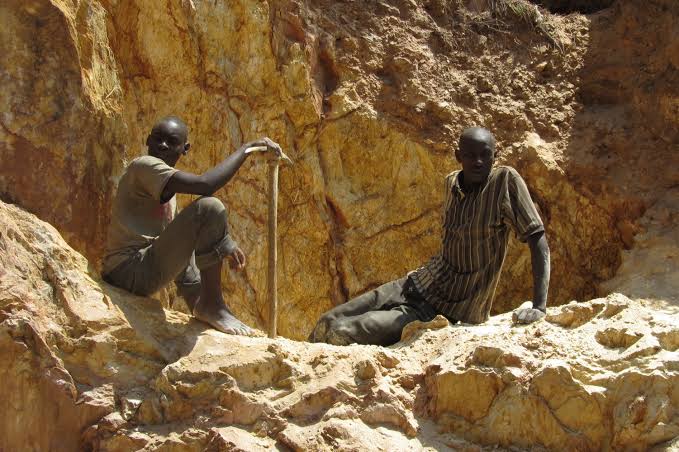
Nigeria: Africa Artisanal Mining Criminalisation Impacts Livelihoods
Summary
- Crackdowns on artisanal mining in Africa often punish individuals mining for survival.
- These punitive measures can inadvertently fuel crime and conflict within affected regions.
- Current enforcement strategies frequently fail to address powerful actors who profit from illicit mining.
- The criminalization approach often exacerbates socio-economic challenges for small-scale miners.
The Impact of Criminalization on Artisanal Miners
A significant failing of these crackdowns is their inability to address the more influential actors within the illicit mining ecosystem.
Across various African nations, the response to artisanal mining often involves stringent crackdowns and criminalization. These punitive measures disproportionately affect individuals who engage in small-scale mining activities primarily as a means of survival, seeking to sustain themselves and their families in the absence of other viable economic opportunities. Such enforcement actions, rather than resolving underlying issues, frequently push these vulnerable populations into more precarious situations.
The focus on criminalizing these essential livelihood activities can inadvertently create a cycle of hardship. Miners, already operating on the margins, face legal repercussions that further destabilize their economic standing and can lead to increased poverty. This approach often overlooks the complex socio-economic factors that drive individuals into the artisanal mining sector, treating a symptom rather than the systemic causes.
Policy Approaches and Unintended Outcomes
The prevailing "artisanal mining legal framework Africa" often features policies that lean heavily towards the prohibition and criminalization of informal mining operations. While the stated aim of such "mining sector regulation Africa" is typically to control illicit activities, ensure environmental protection, and formalize the sector, the practical implementation frequently leads to unintended and adverse consequences. For instance, "Nigeria artisanal mining policy" and similar frameworks in other countries have faced scrutiny for their effectiveness in achieving these goals.
Instead of fostering a regulated and safe environment, the criminalization approach can inadvertently contribute to the very problems it seeks to eradicate. By making legal participation difficult or impossible for small-scale miners, these policies can drive operations further underground, making them harder to monitor and regulate. This creates a fertile ground for exploitation and exacerbates the "informal mining legal challenges" that governments aim to address.
Systemic Failures and Escalating Issues
The strategy of "criminalization small-scale mining Africa" has been observed to fuel both crime and conflict within affected regions. When legitimate pathways to mining are closed off, informal networks often become more entrenched, leading to increased illicit activities and disputes over resources. This environment of illegality can empower criminal elements and contribute to instability, undermining community safety and regional security.
A significant failing of these crackdowns is their inability to address the more influential actors within the illicit mining ecosystem. While individual, survival-driven miners face arrest and prosecution, the powerful players who often finance, organize, and profit most significantly from these informal operations frequently remain untouched. This imbalance in enforcement highlights a critical flaw in the current regulatory paradigm, suggesting that the focus is misplaced and fails to dismantle the true drivers of illegal mining.
The Broader Implications for Justice and Development
The overall "Africa artisanal mining criminalisation impact" extends beyond individual miners to affect broader societal and economic development. By failing to differentiate between subsistence mining and large-scale illicit operations, current policies risk alienating and marginalizing a significant portion of the population dependent on the sector. This approach not only fails to formalize the industry but also perpetuates a cycle of vulnerability and conflict.
Ultimately, the continued reliance on criminalization as a primary response to artisanal mining challenges the principles of justice and effective governance. It underscores the need for a re-evaluation of existing legal frameworks and policies to ensure they are equitable, sustainable, and capable of addressing the complex realities of the sector, rather than simply punishing those at its lowest rung.
Practical Implications
Lawyers should be aware of the evolving legal and policy discussions surrounding artisanal mining in Africa, particularly regarding the efficacy and human rights implications of criminalization, to better advise clients involved in or impacted by the sector on compliance risks and potential reform initiatives.
Source
How does this affect you?
Get an AI analysis of this article grounded in your jurisdictions, practice areas, and any policy documents you've uploaded to Wansom.
Finish Reading the Full Story and the Expert Analysis.
Wansom is AI and can make mistakes.