
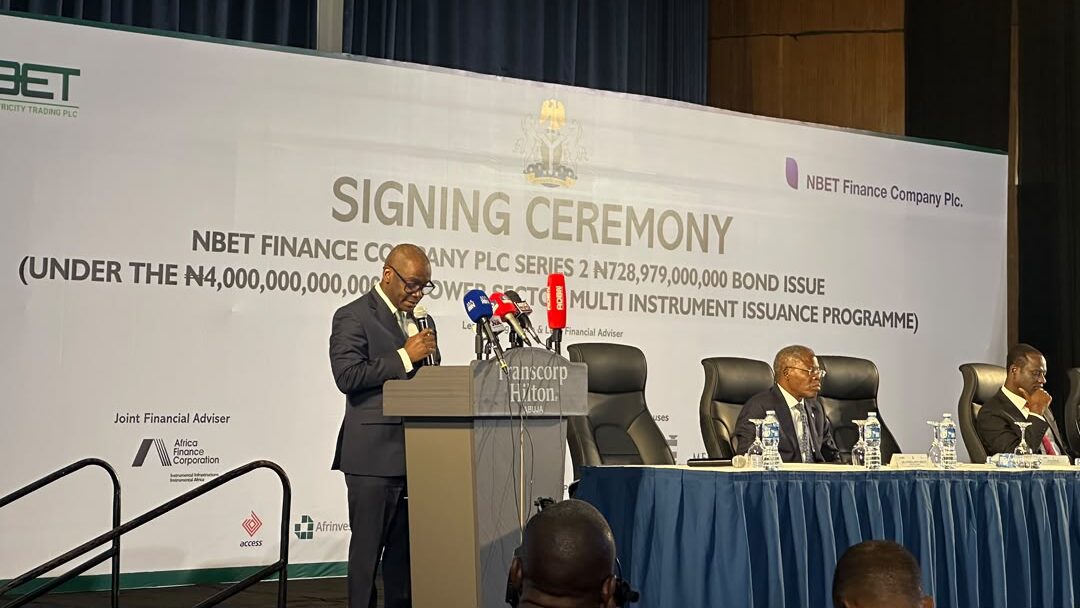
Nigeria: Secures ₦729 Billion Power Bond for Sector Debt
Summary
- The Nigerian Federal Government raised ₦728.9 billion through its Series 2 power bond issuance.
- This issuance is part of the larger ₦4 trillion FGN Power Sector Multi-Instrument Issuance Programme.
- The total funds raised under this debt reduction initiative now exceed ₦1.1 trillion.
- The primary goal of these bonds is to tackle accumulated debt within the Nigerian power sector.
Key Financial Development
Lawyers advising clients within the Nigerian power sector should assess how this substantial ₦729 billion bond issuance influences existing project financing arrangements, identifies new opportunities for debt restructuring, and affects ongoing regulatory compliance requirements.
The Nigerian Federal Government recently concluded the Series 2 issuance of a significant financial instrument aimed at addressing long-standing liabilities within the nation's electricity supply industry. This latest fundraising effort successfully secured ₦728.9 billion, marking a crucial step in the government's broader strategy to stabilize the sector. This specific issuance, often referred to as the Nigeria ₦729 billion power bond, represents a substantial injection of capital designed to alleviate the financial burdens that have historically hampered the growth and efficiency of power generation, transmission, and distribution companies across the country.
This capital raise is a direct response to the persistent financial challenges that have plagued the power sector, impacting its ability to deliver consistent and reliable electricity. The government's proactive measure through this bond issuance underscores its commitment to resolving these systemic issues, which are vital for economic development and public welfare.
Broader Strategic Initiative
This recent capital raise forms an integral part of the ambitious ₦4 trillion FGN Power Sector Multi-Instrument Issuance Programme. This comprehensive initiative is designed to provide a structured approach to resolving the accumulated debt within the Nigerian power sector. With the successful completion of the Series 2 issuance, the total funds mobilized under this ongoing debt reduction program have now surpassed ₦1.1 trillion.
This cumulative figure underscores the federal government's sustained commitment to tackling the systemic financial challenges that have plagued the sector for years, aiming to create a more stable and attractive environment for investment and operational efficiency. The program's multi-instrument nature suggests a flexible approach to Nigerian power sector financing, utilizing various financial tools to achieve its objectives and ensure long-term stability.
Addressing Sector Liabilities
The primary objective behind the issuance of this Nigerian power sector debt bond is to facilitate a significant reduction in the outstanding financial obligations within the electricity value chain. By channeling these substantial funds, the government aims to settle debts owed to various stakeholders, including gas suppliers, generation companies, and other service providers. This strategic move by the Nigeria government debt reduction power initiative is expected to improve liquidity across the sector, potentially leading to enhanced operational performance and a more reliable power supply for citizens and businesses.
The resolution of these legacy debts is critical for fostering investor confidence and encouraging further private sector participation in the development of Nigeria's power infrastructure. A healthier financial footing for sector participants is anticipated to unlock new investments and drive necessary upgrades, ultimately benefiting the entire electricity ecosystem.
Implications for Stakeholders
The successful issuance of the Nigeria Series 2 power bond carries significant implications for all participants in the nation's energy landscape. For legal professionals advising clients within the Nigerian power sector, this development necessitates a thorough assessment of its potential impacts. Lawyers should evaluate how this substantial ₦729 billion bond issuance influences existing project financing arrangements, identifies new opportunities for debt restructuring, and affects ongoing regulatory compliance requirements.
The government's clear commitment to addressing sector liabilities through such large-scale financial interventions signals a renewed focus on creating a more predictable and financially viable operating environment. This ongoing effort to stabilize Nigerian power sector financing could reshape investment strategies and contractual obligations, making it imperative for legal counsel to guide their clients through these evolving dynamics and capitalize on the opportunities presented by a more stable sector.
Practical Implications
Lawyers advising clients in Nigeria's power sector should assess how this ₦729 billion bond issuance impacts existing project financing, debt restructuring opportunities, and regulatory compliance, given the government's commitment to addressing sector liabilities.
Source
How does this affect you?
Get an AI analysis of this article grounded in your jurisdictions, practice areas, and any policy documents you've uploaded to Wansom.
Finish Reading the Full Story and the Expert Analysis.
Get the latest legal & regulatory intelligence in Nigeria
Wansom is AI and can make mistakes.