
African Civil Society: Demands Niger Delta Corporate Abuses International Tribunal
Summary
- African civil society organizations are demanding a binding UN treaty.
- They also seek an international tribunal to address corporate abuses.
- These demands aim to hold transnational corporations accountable for rights and environmental violations.
- The Niger Delta's oil pollution crisis is cited as evidence of corporate impunity.
Escalating Calls for Corporate Accountability
This advocacy for an international tribunal and a binding UN treaty signals growing pressure for enhanced corporate accountability and potential new avenues for litigation or regulatory enforcement regarding environmental and human rights violations.
African civil society organizations are intensifying their advocacy for new international mechanisms designed to hold transnational corporations responsible for human rights and environmental abuses. These groups are specifically calling for the establishment of a binding United Nations treaty and an international tribunal dedicated to adjudicating such cases.
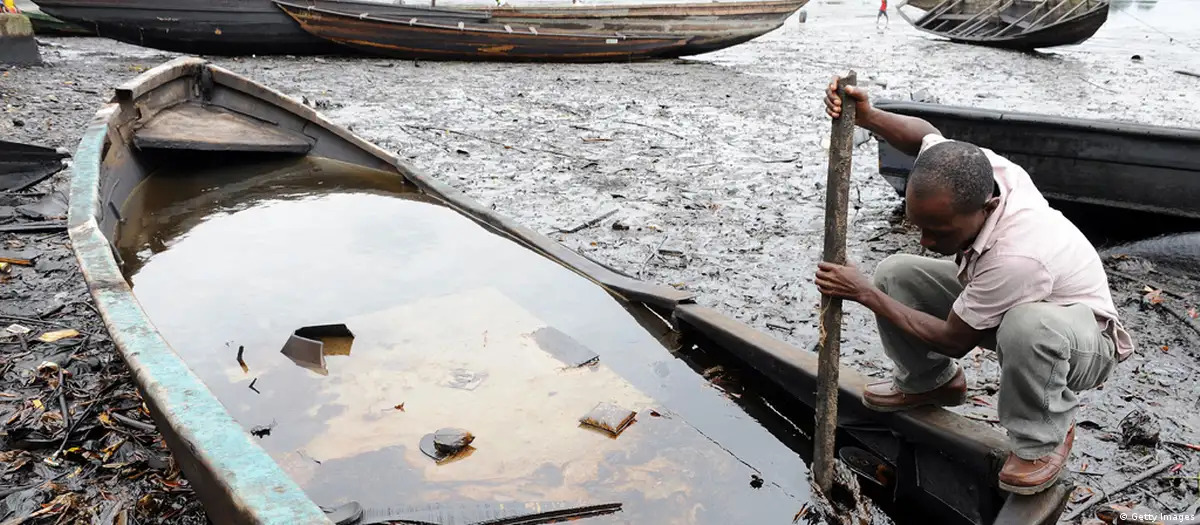
The impetus for these demands stems directly from the severe oil pollution crisis plaguing Nigeria's Niger Delta region. Activists and organizations view this ongoing environmental catastrophe as compelling evidence of widespread corporate impunity, where powerful entities operate with insufficient oversight and accountability for their actions.
The proposed international frameworks aim to create a robust legal architecture that would compel corporations to adhere to higher standards of conduct globally. By seeking a UN treaty, these organizations envision a universally recognized set of obligations, while an international tribunal would provide a dedicated judicial body to enforce these standards and deliver justice to affected communities.
The Niger Delta Crisis as a Catalyst
The Niger Delta's extensive oil pollution serves as the primary example cited by African civil society groups to underscore the urgent need for enhanced corporate accountability. Decades of oil exploration and production have led to widespread environmental degradation, impacting local ecosystems and the livelihoods of millions.
These organizations contend that the persistent pollution and its devastating effects demonstrate a systemic failure to hold transnational corporations accountable under existing national and international legal frameworks. They argue that the current situation allows for corporate impunity, where companies can allegedly commit rights and environmental violations without facing adequate legal consequences or providing sufficient redress to victims.
This crisis highlights the complex challenges associated with establishing legal liability for environmental violations and human rights abuses perpetrated by large corporations operating across borders. The calls for a binding UN treaty and an international tribunal reflect a growing frustration with the perceived limitations of current legal avenues available to communities affected by such corporate actions.
Proposed International Legal Frameworks
The dual demand for a binding UN treaty and an international tribunal represents a significant push to reshape the landscape of transnational corporate accountability. A binding UN treaty on corporate accountability for human rights and environmental violations would establish clear, legally enforceable obligations for companies operating globally, moving beyond voluntary guidelines or soft law instruments.
Such a treaty would aim to standardize expectations for corporate conduct, ensuring that companies are held to consistent ethical and environmental standards regardless of their operational location. It would also seek to provide clearer pathways for legal recourse for victims of corporate abuses.
Complementing the treaty, an international tribunal would offer a specialized forum for adjudicating complex cases involving transnational corporations. This tribunal would address the jurisdictional challenges and power imbalances often encountered when communities attempt to seek justice against powerful corporations in national courts, particularly in developing nations. It would provide a dedicated mechanism to enforce the provisions of the UN treaty and address Niger Delta corporate abuses, among others.
Implications for Global Business and Legal Practice
This advocacy for an international tribunal and a binding UN treaty signals growing pressure for enhanced corporate accountability and potential new avenues for litigation or regulatory enforcement regarding environmental and human rights violations. The concerted effort by African civil society to address issues like Niger Delta oil pollution legal liability underscores a global trend towards stricter oversight of transnational corporations' impact.
Lawyers advising corporations, particularly those with operations in regions susceptible to environmental and human rights concerns such as the Niger Delta, should closely monitor these developments. The potential emergence of new international legal frameworks could significantly alter compliance requirements and risk profiles for businesses.
Compliance officers, in particular, should proactively assess their organizations' current risk exposure related to environmental violations and human rights. Preparing for potential future international legal frameworks, including a UN treaty on corporate accountability and the jurisdiction of an international tribunal, will be crucial for mitigating legal and reputational risks for transnational corporations.
Practical Implications
Lawyers advising corporations operating in the Niger Delta should monitor this advocacy for an international tribunal and a binding UN treaty, as it signals growing pressure for enhanced corporate accountability and potential new avenues for litigation or regulatory enforcement regarding environmental and human rights violations. Compliance officers should assess current risk exposure and prepare for potential future international legal frameworks.
Source
How does this affect you?
Get an AI analysis of this article grounded in your jurisdictions, practice areas, and any policy documents you've uploaded to Wansom.
Finish Reading the Full Story and the Expert Analysis.
Get the latest legal & regulatory intelligence in Nigeria
Wansom is AI and can make mistakes.