
Niger Minister Alio Daouda: Daïkaina Prison Visit Highlights Reintegration
Summary
- Niger's Minister of Justice, Alio Daouda, visited the Daïkaina Penitentiary Production Center on August 12, 2026, to observe its detainee training and production programs.
- The center, operational for 18 months, includes a 5,000-hen poultry unit and agricultural space, alongside vocational training, to provide skills for post-release employment and cover facility food needs.
- Testimonies from former detainees revealed success, with some starting their own businesses; two are now employers, hiring two and eleven people respectively.
- Minister Daouda emphasized the importance of these programs for fighting radicalization and proposed creating a cooperative for former detainees to ensure continued post-release support.
- A call for tenders will be launched for the Mayahi Penitentiary Production Center to expand this model, while local authorities stressed the need for direct community involvement in project design.
Ministerial Visit Highlights Rehabilitation Efforts
He articulated his vision, stating that such centers "must be centers where, when one unfortunately arrives, one must leave with professionalism, with an activity, with an education, with something positive that fights against radicalization."
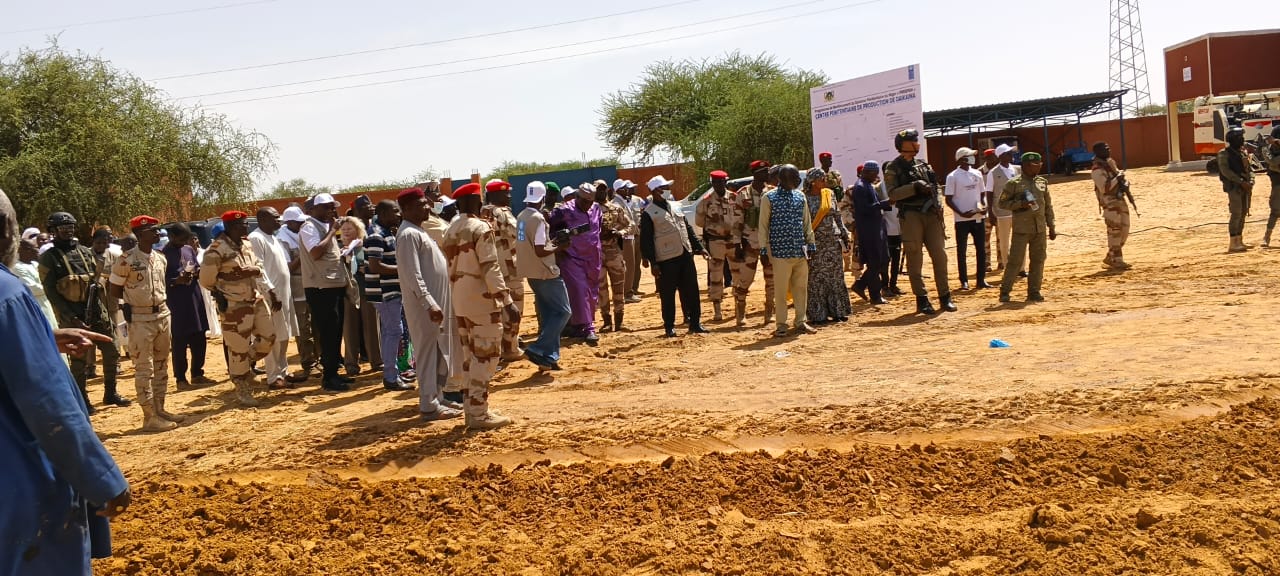
Niger's Minister of Justice and Human Rights, Keeper of the Seals, and official in charge of institutional relations, Mr. Alio Daouda, conducted a significant visit to the Daïkaina Penitentiary Production Center on Wednesday, August 12, 2026. Located in the Tillabéri region, this facility, which has been operational for eighteen months, is dedicated to providing training and production activities for its detainees. The visit underscores the Ministry's focus on prisoner rehabilitation and post-release reintegration, a key aspect of Niger prison reform initiatives.
The Minister's delegation included several high-profile individuals, such as the Governor of the Tillabéri region, Colonel Maïna Boukar, alongside various customary chiefs, administrative, and military officials. International partners were also present, with Mr. Haoling Xu, the Associate Administrator of the United Nations Development Programme (UNDP), and H.E. André Carsten, the Ambassador of the Kingdom of the Netherlands to Niger, joining the tour. The purpose of this Niger Alio Daouda Daïkaina prison visit was to allow the Minister and his accompanying officials to gain firsthand insight into the diverse programs being implemented at the center.
Inside Daïkaina: Programs and Success Stories
The Daïkaina Penitentiary Production Center operates a substantial poultry unit, housing 5,000 laying hens, and maintains an extensive agricultural area where detainees actively participate. These production activities are crucial for meeting the establishment's internal food requirements. Beyond sustenance, the center offers a variety of vocational training programs, all designed with a clear objective: to equip detainees with practical skills that will facilitate their professional integration into society following their release.
The effectiveness of these detainee reintegration programs Niger has been powerfully demonstrated through the testimonies of former detainees. Several individuals shared how the competencies they acquired at Daïkaina enabled them to establish their own businesses after their liberation. Notably, two former beneficiaries have transitioned from trainees to employers; one now provides employment for two individuals, while the other has created eleven jobs, showcasing the tangible impact of the Niger penitentiary production center's initiatives.
Minister's Vision for Continued Support and Expansion
Minister Alio Daouda emphasized that these success stories underscore the critical importance of sustaining and expanding training and production activities within penitentiary establishments. He articulated his vision, stating that such centers "must be centers where, when one unfortunately arrives, one must leave with professionalism, with an activity, with an education, with something positive that fights against radicalization." This statement highlights a broader strategy to combat recidivism and promote positive societal contributions.
Building on this perspective, the Minister stressed the necessity of providing ongoing support to beneficiaries even after their release. He proposed to the director of the penitentiary administration the exploration of creating a cooperative specifically for former detainees trained at Daïkaina. Such a structure would serve to maintain contact with beneficiaries, streamline their post-release support, and enable better monitoring of their progress. Furthermore, in a move to replicate this successful model, the Minister announced the upcoming launch of a call for tenders for the financing of the Mayahi Penitentiary Production Center, signaling a commitment to extend these dynamics to other facilities across Niger.
Community Engagement for Sustainable Development
During the visit, local authorities present at Daïkaina advocated strongly for the direct involvement of communities in identifying their needs and in the design of projects intended for them. They underscored this principle with the powerful assertion, "We cannot work for us without us." This perspective highlights a crucial element for the long-term success of any development initiative, particularly those related to justice sector development.
According to these local leaders, a program can only be truly adapted to local realities if it incorporates the active participation of the affected populations. This collaborative approach is seen as essential for accurately determining priorities and ensuring that interventions are effectively aligned with the needs genuinely expressed on the ground, thereby maximizing their impact and sustainability.
Practical Implications
This development highlights the Nigerien Ministry of Justice's focus on prisoner rehabilitation and post-release reintegration, which could influence sentencing and parole strategies. Lawyers and organizations interested in justice sector development or government tenders in Niger should monitor the upcoming call for tenders for the Mayahi Penitentiary Production Center.
Source
How does this affect you?
Get an AI analysis of this article grounded in your jurisdictions, practice areas, and any policy documents you've uploaded to Wansom.
Wansom is AI and can make mistakes.