
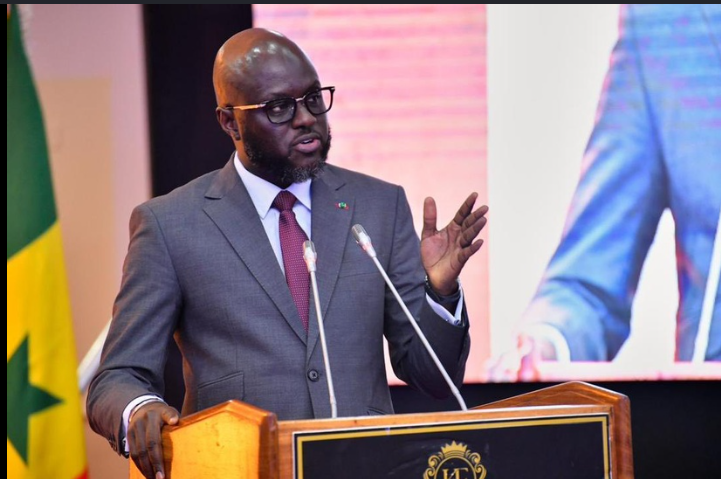
El Malick Ndiaye: Denouncing Ousmane Sonko Threats in Senegal Politics
Summary
- El Malick Ndiaye, former President of Senegal's National Assembly, has condemned statements attributed to Arona Coumba Ndofène Diouf of the Kiiraay party.
- Pastef, now the ruling political party, denounced these statements as threats against its leader, Ousmane Sonko, who is the current President of the National Assembly.
- Ndiaye is calling for a firm response from state institutions and warns against trivializing political threats.
- The incident raises questions about political intimidation and the application of Senegal's laws on incitement and defamation.
- This development is crucial for defining the boundaries of political speech and ensuring stability in Senegal politics.
What Happened
Ensuring that political discourse remains both vigorous and respectful, entirely free from the shadow of threats, is absolutely essential for upholding the nation's stability and preserving its democratic integrity.
El Malick Ndiaye, who previously served as the President of Senegal's National Assembly until his resignation in May 2026, has recently voiced strong disapproval regarding statements attributed to Arona Coumba Ndofène Diouf. Diouf is identified as a member of the presidential Kiiraay party. These particular remarks have been explicitly condemned by the ruling political party, Pastef, which views them as direct threats specifically targeting its leader, Ousmane Sonko, who is currently the President of the National Assembly. This public intervention by Ndiaye highlights a growing apprehension within the political sphere concerning the tone and potential implications of public discourse in Senegal.
Ndiaye's response to these alleged threats against Ousmane Sonko is a clear demand for decisive and robust action from the nation's competent institutions. He has underscored the serious nature of the situation, cautioning against any tendency to downplay or normalize such threatening language. The incident itself serves as a stark illustration of the heightened political tensions currently characterizing Senegal politics, where allegations of political threats are increasingly scrutinized and debated. The involvement of a figure from the ruling party in statements deemed threatening against a key opposition leader adds a significant layer to the ongoing political narrative.
Legal and Political Context
The controversy ignited by Pastef's denunciation of what it perceives as political threats directed at Ousmane Sonko brings critical questions to the forefront regarding the permissible boundaries of political expression within Senegal. El Malick Ndiaye's firm stance, particularly his warning against the trivialization of such threats, strongly suggests that this situation could necessitate either legal intervention or a robust institutional response. The fact that Arona Coumba Ndofène Diouf, a member of the presidential Kiiraay party, is at the center of these allegations further complicates the matter, potentially drawing the ruling party into accusations of fostering political intimidation.
This specific development has the potential to serve as a crucial test for the application of existing Senegal political intimidation law, as well as statutes related to incitement or defamation against public figures. The outcome could establish significant precedents for how political conduct is regulated and enforced in the future. Ndiaye's explicit call for a firm response from the relevant competent institutions signals a clear expectation for maintaining a high standard of political engagement and potentially enforcing legal frameworks designed to curb political threats in Senegal. The legal implications for the Kiiraay party, should these allegations be substantiated, could be substantial, influencing public perception and future political dynamics.
Why It Matters
The ongoing dispute surrounding the alleged threats against Ousmane Sonko, coupled with the forceful denunciation by former National Assembly President El Malick Ndiaye, carries profound implications for the trajectory of Senegal politics. This moment represents a critical juncture where the state's fundamental capacity to safeguard its political actors from various forms of intimidation is being rigorously examined. The manner in which state institutions ultimately respond to Ndiaye's urgent call for action will be meticulously observed, as their decision-making process is poised to define the delicate balance between the constitutional right to free expression and the prohibition against incitement within the nation's political landscape.
This incident, involving Arona Coumba Ndofène Diouf and her affiliation with the Kiiraay party, possesses the inherent potential to significantly escalate existing political tensions, thereby influencing the broader democratic environment in Senegal. Ensuring that political discourse remains both vigorous and respectful, entirely free from the shadow of threats, is absolutely essential for upholding the nation's stability and preserving its democratic integrity. This development unequivocally underscores the pressing need for a transparent and effective legal framework specifically designed to address political threats in Senegal, thereby guaranteeing accountability for those who transgress these boundaries and serving as a deterrent against similar future occurrences.
Practical Implications
This development signals potential legal challenges regarding political speech and intimidation in Senegal. Lawyers should advise clients on the boundaries of public discourse to avoid incitement or defamation charges, and monitor how state institutions address such threats, as it could influence future legal interpretations of free expression and political conduct.
Source
How does this affect you?
Get an AI analysis of this article grounded in your jurisdictions, practice areas, and any policy documents you've uploaded to Wansom.
Finish Reading the Full Story and the Expert Analysis.
Wansom is AI and can make mistakes.