
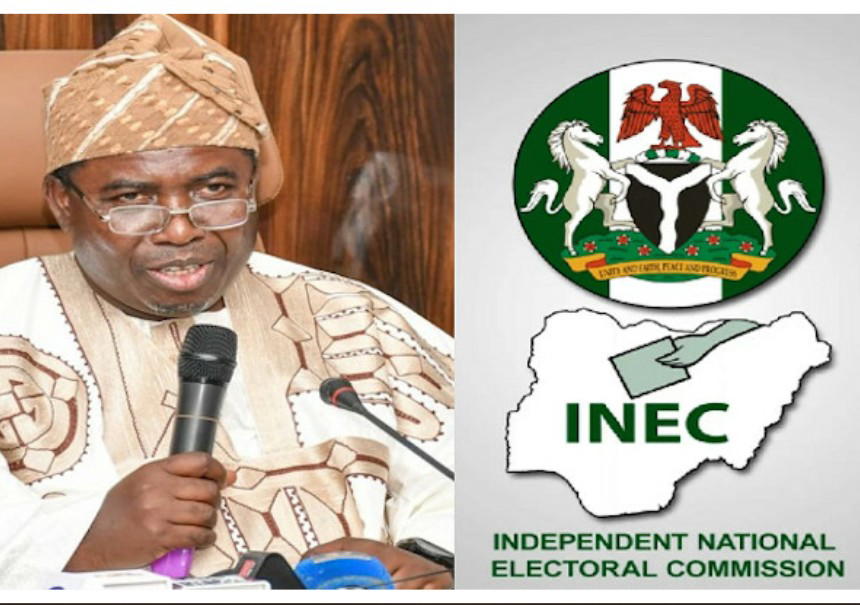
NDC Urges INEC: Remove Deceased Voters From Register for 2027 Polls
Summary
- The Nigeria Democratic Congress has urged the Independent National Electoral Commission to remove deceased individuals from the voters' register.
- This request is specifically aimed at ensuring the integrity of the electoral process for the 2027 general elections.
- An accurate voters' register is considered fundamental for conducting free, fair, and transparent elections in Nigeria.
- The call highlights ongoing concerns about the reliability of electoral rolls and potential for malpractice.
What Happened
The integrity of the electoral register is a foundational element for any credible democratic system, serving as the definitive record of eligible participants in the voting process.
The Nigeria Democratic Congress (NDC) has issued a direct appeal to the Independent National Electoral Commission (INEC), urging the electoral body to undertake a comprehensive review and purification of the national voters' register. This critical request specifically targets the removal of individuals who are deceased from the official list of eligible voters. The NDC's proactive stance is explicitly aimed at enhancing the credibility and fairness of the electoral process in anticipation of the 2027 general elections.
This call highlights a persistent concern regarding the accuracy of electoral rolls in Nigeria. The NDC's intervention underscores the belief that an updated and accurate register is fundamental to conducting free and transparent elections, thereby safeguarding the democratic principles upon which the nation operates. The political organization's focus on deceased voters Nigeria 2027 indicates a forward-looking approach to prevent potential irregularities in future polls.
Electoral Integrity and Regulatory Mandate
The integrity of the electoral register is a foundational element for any credible democratic system, serving as the definitive record of eligible participants in the voting process. An electoral register integrity that is compromised by the inclusion of deceased individuals can lead to serious questions about the fairness of elections, potentially opening avenues for fraudulent activities or the perception of such. This situation can erode public trust in the electoral body and the outcomes it declares.
The Independent National Electoral Commission (INEC) is constitutionally mandated to manage and update the voters' register, ensuring its accuracy and reliability. This responsibility includes the continuous process of adding new eligible voters and, crucially, removing those who are no longer qualified, such as deceased persons. The NDC's call for an INEC voters register cleanup before the 2027 general elections therefore aligns with the commission's fundamental duties and the broader expectations for transparent electoral governance.
Why It Matters
The urgency of the Nigeria Democratic Congress's request stems from the approaching 2027 general elections, where an unpurged voters' register could have significant ramifications. The presence of deceased individuals on the electoral roll not only inflates the total number of registered voters but also creates opportunities for electoral malpractice, such as proxy voting or the manipulation of voter turnout figures. Such discrepancies can fuel post-election disputes and undermine the legitimacy of elected officials.
Addressing the issue of deceased voters Nigeria 2027 is therefore not merely an administrative task but a crucial step towards reinforcing democratic institutions. Lawyers involved in election law and public interest litigation frequently point to the voters' register as a primary source of contention in electoral disputes. A proactive INEC voters register cleanup, as advocated by the NDC, would significantly reduce potential grounds for legal challenges and contribute to a more robust and trustworthy electoral framework for the upcoming polls and subsequent elections.
Practical Implications
Lawyers involved in election law, electoral disputes, or public interest litigation should monitor INEC's response to this advocacy, as the integrity of the voters' register is a fundamental aspect of credible elections and a potential ground for future legal challenges or reform efforts.
Source
How does this affect you?
Get an AI analysis of this article grounded in your jurisdictions, practice areas, and any policy documents you've uploaded to Wansom.
Finish Reading the Full Story and the Expert Analysis.
Wansom is AI and can make mistakes.