
NDC Plateau: Guber Substitution Forgery Probe Demanded
Summary
- Comrade Solomon Ndam, NDC Plateau State Chairman, alleges forgery of an INEC document.
- The alleged forgery pertains to the substitution of a gubernatorial candidate.
- Ndam has demanded a police probe into the actions of unnamed party actors.
- The accusation raises concerns about electoral integrity and party transparency.
- The incident highlights potential criminal manipulation within the candidate selection process.
What Happened
His demand for a police probe indicates the severity with which he views the alleged actions, elevating the matter from an internal party dispute to a potential criminal offense.
Comrade Solomon Ndam, who serves as the Plateau State Chairman for the Nigeria Democratic Congress (NDC), has brought forth a serious accusation concerning the integrity of the party's gubernatorial candidate selection process. Ndam alleges that certain individuals within the party, whom he has not publicly identified, engaged in the forgery of an official document issued by the Independent National Electoral Commission (INEC). This alleged falsification specifically pertains to the substitution of a gubernatorial candidate, a critical stage in the electoral cycle.
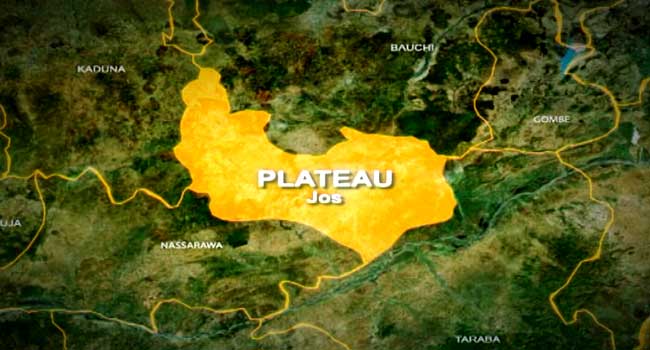
The accusation by the NDC's Plateau State Chairman points to a potential breach of electoral regulations and internal party procedures. The alleged forgery of an INEC document for candidate substitution suggests an an attempt to manipulate the official record of who represents the party in the upcoming gubernatorial election. This development, reported from Jos, underscores a significant internal conflict within the Nigeria Democratic Congress regarding its representation in the state's highest office.
In response to these grave allegations, Comrade Ndam has formally called for a thorough investigation by the police. His demand for a police probe indicates the severity with which he views the alleged actions, elevating the matter from an internal party dispute to a potential criminal offense. The involvement of law enforcement is sought to ascertain the veracity of the forgery claim and to identify those responsible for the alleged manipulation of electoral documents.
Electoral Integrity Concerns
The accusation of document forgery in the context of gubernatorial candidate substitution raises profound questions about the integrity of the electoral process in Plateau State and, by extension, across Nigeria. The Independent National Electoral Commission (INEC) is the primary body responsible for overseeing elections, including the rigorous process of candidate nomination and any subsequent substitutions. Any alleged falsification of an INEC document directly undermines the authority of the commission and the credibility of the electoral system it manages.
Such an allegation, particularly when made by a high-ranking party official like the state chairman, can erode public trust in political parties and their internal democratic processes. The sanctity of official documents, especially those related to candidate eligibility and representation, is paramount for ensuring free and fair elections. If documents can be forged to alter candidate lists, it opens the door to widespread manipulation and disenfranchisement, not only of potential candidates but also of party members who expect transparent selection processes.
The demand for a police investigation highlights the potential criminal dimension of the alleged actions. Forgery, especially of official government documents, carries significant legal penalties. The outcome of such a probe could have far-reaching consequences for the individuals implicated, the Nigeria Democratic Congress, and the broader political landscape in Plateau State, potentially influencing public perception of the upcoming elections.
Legal and Regulatory Framework
Under Nigeria's electoral laws, the process for nominating and substituting candidates is strictly regulated by the Independent National Electoral Commission (INEC). Political parties are required to adhere to specific guidelines and timelines for submitting candidate lists and for any subsequent changes. These regulations are designed to ensure transparency, prevent fraud, and maintain the integrity of the electoral register. The alleged forgery of an INEC document for gubernatorial candidate substitution would represent a direct contravention of these established legal and regulatory frameworks.
The legal implications of forging official documents are severe, often involving criminal charges. In the context of elections, such acts are viewed with particular gravity due to their potential to subvert the democratic will. The police probe demanded by Comrade Solomon Ndam would therefore focus on establishing whether a forgery indeed occurred and, if so, who was responsible for creating and submitting the falsified INEC document. This investigation would operate within the existing legal provisions that criminalize electoral fraud and document falsification.
The role of INEC in this scenario extends beyond merely receiving documents; it involves verifying their authenticity. An allegation of forgery suggests that either the verification process was circumvented, or that a sophisticated attempt was made to deceive the commission. The legal framework is designed to provide recourse in such situations, allowing for investigations and prosecutions to uphold the rule of law and protect the sanctity of the electoral process against fraudulent practices.
Why This Matters
The accusation leveled by Comrade Solomon Ndam against unnamed party actors regarding the alleged forgery of an INEC document for gubernatorial candidate substitution carries significant weight for several reasons. Firstly, it underscores the persistent challenges faced by political parties in maintaining internal cohesion and adhering to democratic principles in their candidate selection processes. Such allegations can expose deep-seated factionalism and power struggles within the Nigeria Democratic Congress, potentially destabilizing its electoral efforts in Plateau State.
Secondly, the demand for a police probe elevates the matter beyond an internal party affair, bringing it into the realm of criminal investigation. This public call for law enforcement intervention signals a serious breakdown of trust and a belief that criminal acts may have been committed. The outcome of this investigation will not only determine the fate of those potentially involved but also impact the public's perception of the NDC's commitment to ethical conduct and transparency.
Ultimately, this situation highlights the critical importance of robust oversight by electoral bodies like INEC and the necessity for vigilance against electoral fraud. The integrity of candidate nominations is a cornerstone of democratic elections, and any attempt to subvert this process through forgery threatens the very foundation of fair representation. The ongoing police inquiry, if it proceeds, will be a crucial test of the mechanisms in place to safeguard Nigeria's electoral system from manipulation and ensure accountability for those who seek to undermine it.
Practical Implications
Lawyers advising political parties or involved in electoral litigation should monitor the police probe into alleged forgery in candidate substitution, as it highlights potential risks to electoral integrity and party compliance with INEC regulations regarding candidate selection.
Source
How does this affect you?
Get an AI analysis of this article grounded in your jurisdictions, practice areas, and any policy documents you've uploaded to Wansom.
Finish Reading the Full Story and the Expert Analysis.
Get the latest legal & regulatory intelligence in Nigeria
Wansom is AI and can make mistakes.