
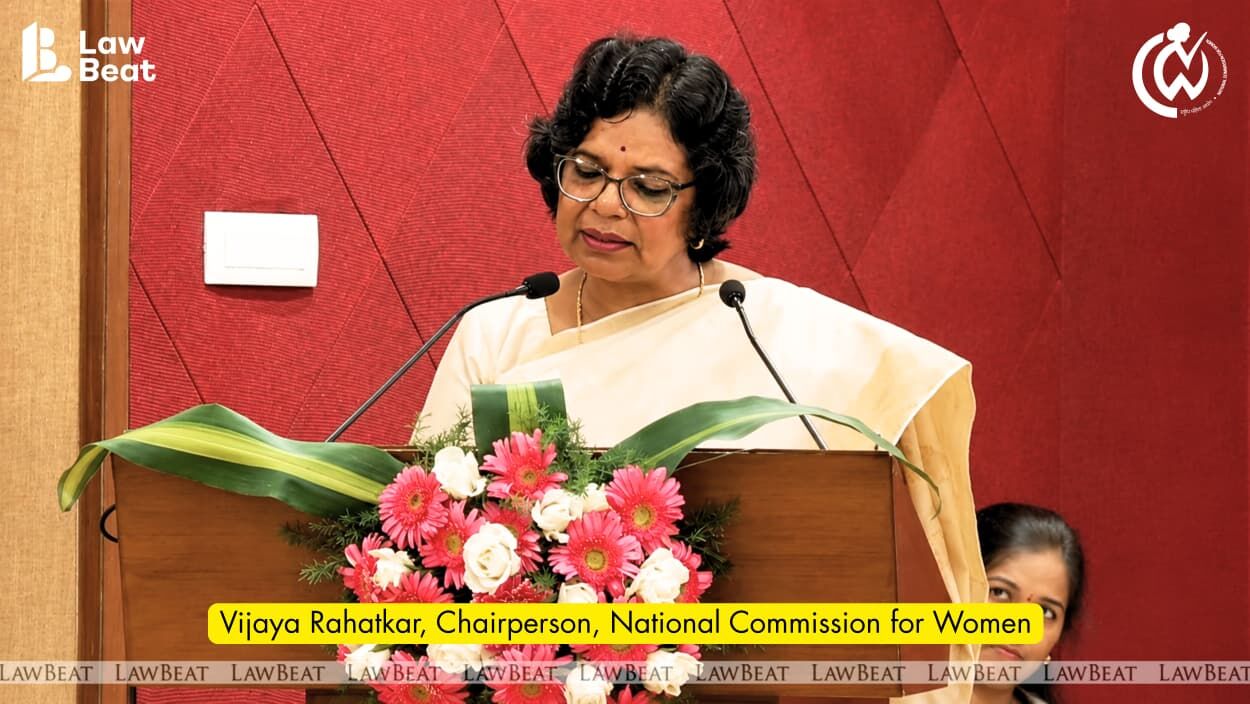
NCW Chairperson Flags Delays in Victim Compensation under POSH Act in India
Summary
- The NCW Chairperson highlighted deep-seated issues in the justice delivery system for women during a recent conference.
- Over 4.48 million reported crimes against women in 2023 underscored the scale of the problem.
- The POSH Act remains weakly implemented twelve years after its introduction.
- The NCW has conducted over 160 training sessions for Local Committees to address gaps in implementation.
- The NCW's recommendations aim to improve time-bound trials, compensation payouts, and gender-sensitive judicial handling.
What Happened
She emphasized that the numbers of reported crimes against women in 2023 – over 4.48 million – were a stark reminder of the scale of the problem.
The National Commission for Women (NCW) Chairperson, Vijaya Rahatkar, highlighted the deep-seated issues in the justice delivery system for women during a recent conference. The South Zone Regional Conference on 'Justice for Women' brought together judges, mediators, and practitioners from southern states to discuss the challenges faced by survivors of heinous crimes against women. Rahatkar's keynote address underscored the need for time-bound trials, faster victim compensation, and stronger implementation of workplace safety laws. She emphasized that the numbers of reported crimes against women in 2023 – over 4.48 million – were a stark reminder of the scale of the problem. The NCW Chairperson also drew attention to the uneven implementation of compensation schemes across states, with only around 27,000 applications decided nationwide in 2024-25, and over 14,000 still pending.
Legal Context
The POSH Act, which came into force twelve years ago, remains weakly implemented. Internal committees and local committees are often not constituted at many places, particularly outside government institutes and the unorganized sector. Even where such committees exist, members frequently lack proper legal or procedural training. The NCW has conducted over 160 training sessions for Local Committees this year alone to address these gaps. Additionally, the Family Courts Act, 1984 requires reconciliation efforts and trained counsellors who can recognize when a marriage is unsafe to preserve. The NCW's premarital counselling initiative now runs around 60 centres across 11 states, helping couples discuss expectations, responsibilities, and communication before marriage.
Why It Matters
The recommendations made by the NCW Chairperson during the conference are crucial for improving the justice delivery system for women. Time-bound trials in rape, POCSO, and domestic violence cases can help reduce the trauma experienced by survivors. Standardized timelines for compensation payouts can ensure that victims receive timely support. Gender-sensitive judicial handling is essential to avoid repeated testimony and secondary victimization. The NCW's call for suo motu interim compensation by district courts in heinous offences can provide immediate relief to survivors. Mandatory premarital counselling before marriage registration can help prevent unsafe marriages. Capacity building for judges on emerging digital offenses is also necessary to ensure that the justice system remains effective.
Practical Implications
Lawyers and compliance officers should watch for the NCW's recommendations on time-bound trials, standardized timelines for compensation payouts, and gender-sensitive judicial handling to avoid repeated testimony and secondary victimization of survivors.
Source
How does this affect you?
Get an AI analysis of this article grounded in your jurisdictions, practice areas, and any policy documents you've uploaded to Wansom.
Wansom is AI and can make mistakes.