
NCIA Trains KRA Officers in Intelligence Analytics: Strengthening Enforcement
Summary
- NCIA launched a five-day intelligence profiling and analytics course for KRA officers.
- The training aims to equip KRA officers with skills in intelligence profiling, data analysis, and information interpretation.
- The success of the training will depend on how effectively participants apply the skills in their workplaces.
- The initiative seeks to deepen cooperation between government agencies through shared capabilities in intelligence analysis and enforcement.
What Happened
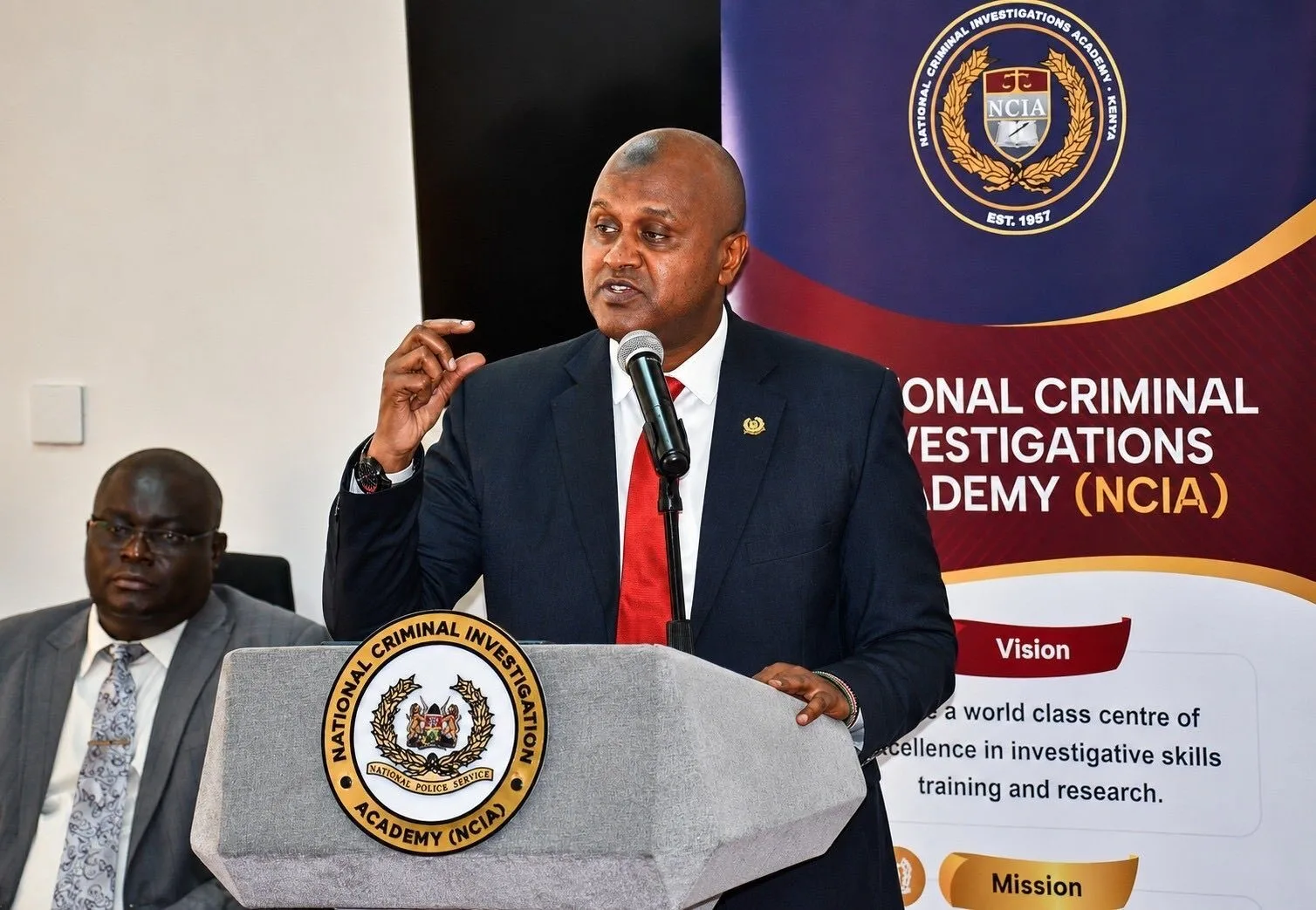
Ibrahim Jillo, then the NCIA Commandant, challenged the participants to move beyond collecting information and develop the ability to transform it into actionable intelligence.
The National Criminal Investigations Academy (NCIA) has launched a five-day intelligence profiling and analytics course for Kenya Revenue Authority (KRA) officers, marking a significant step towards strengthening intelligence-led enforcement and risk detection. The specialized training aims to equip KRA officers with skills in intelligence profiling, data analysis, and information interpretation to support better-informed decisions and enforcement operations. Ibrahim Jillo, then the NCIA Commandant, challenged the participants to move beyond collecting information and develop the ability to transform it into actionable intelligence. This training is part of NCIAs broader mandate to provide specialized and competency-based training to law enforcement agencies and other government institutions.
Why It Matters
The increasing reliance on intelligence analysis by government agencies highlights the growing importance of this skillset in identifying risks, detecting criminal activity, and making informed operational decisions. The success of this training will ultimately depend on how effectively participants apply the skills in their workplaces, as emphasized by KRA representative Prisca Mutindi. The value of this training will be measured by what the officers take back to their workplace and implement to strengthen KRAs ability to identify risks and stay ahead of emerging threats. This development underscores the need for lawyers and compliance officers to stay informed about emerging trends and capabilities in intelligence analysis.
Legal/Regulatory Context
The five-day programme is part of NCIAs broader mandate to provide specialized training to law enforcement agencies, with a focus on deepening cooperation between government agencies through shared capabilities in intelligence analysis and enforcement. The initiative also seeks to equip officers with the necessary skills to support intelligence-led investigations, identify emerging threats, and improve enforcement outcomes. Beyond this course, NCIA is expected to conduct additional specialized programmes covering basic and advanced intelligence analysis, surveillance, and asset tracing. These programmes are designed to further enhance the capabilities of law enforcement agencies in supporting informed operational decisions.
Practical Implications
This development highlights the increasing importance of intelligence analysis in government agencies' operations, underscoring the need for lawyers and compliance officers to stay informed about emerging trends and capabilities in this area.
Source
Source: Original reporting via The Star
How does this affect you?
Get an AI analysis of this article grounded in your jurisdictions, practice areas, and any policy documents you've uploaded to Wansom.
Wansom is AI and can make mistakes.