
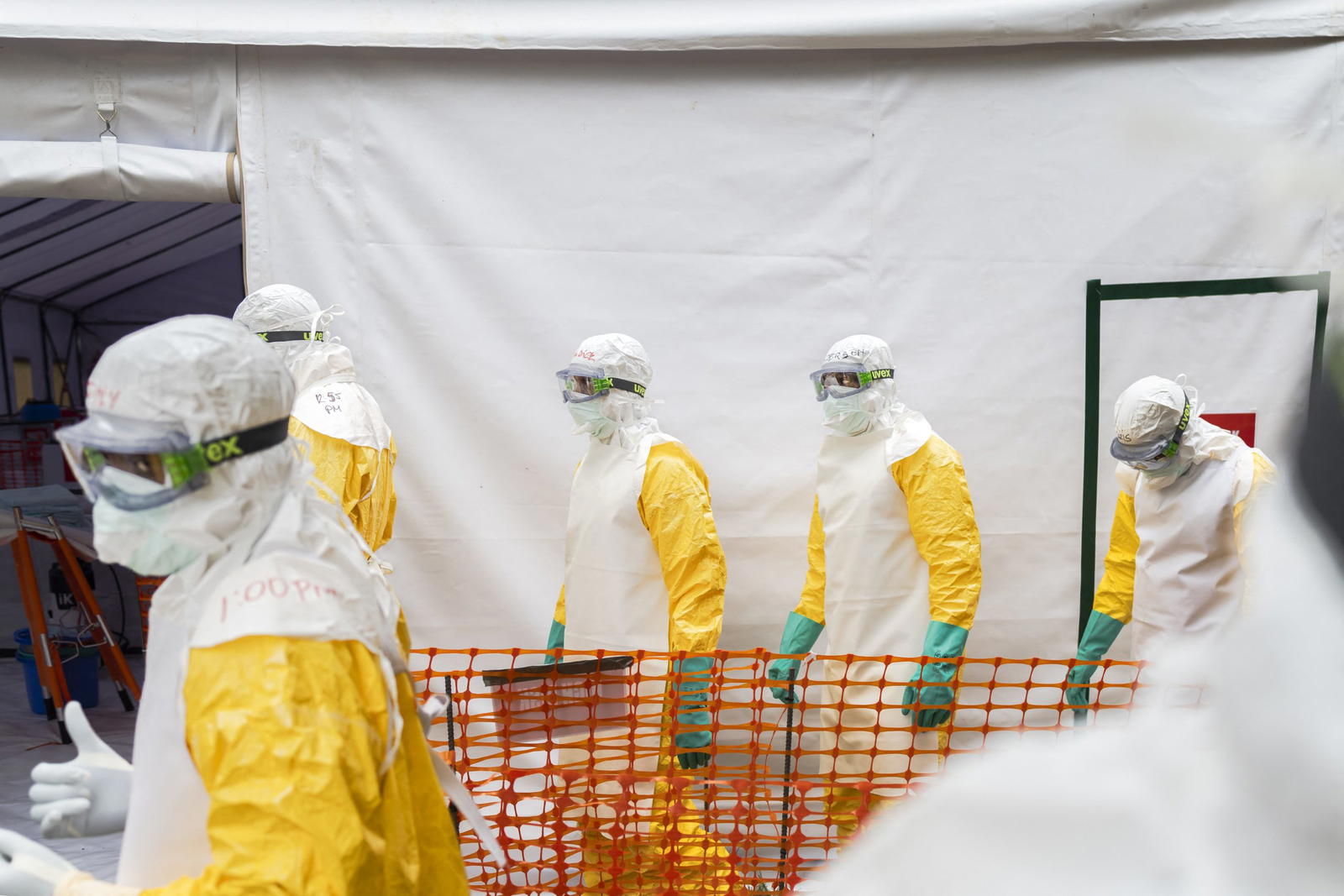
NCDC: Orders Ebola Suspect Isolation in Nigerian Hospitals
Summary
- The Nigeria Centre for Disease Control and Prevention has identified 53 individuals as contacts of a confirmed Ebola case.
- These contacts, including healthcare workers and the patient's spouse, are under a mandatory 21-day monitoring period.
- The NCDC has issued directives requiring Nigerian hospitals to immediately isolate suspected Ebola patients.
- Strict adherence to NCDC's isolation and contact tracing protocols is crucial to prevent a public health emergency.
- Non-compliance with these directives by healthcare facilities could lead to significant regulatory penalties.
What Happened
The swift implementation of NCDC orders for Ebola suspect isolation in Nigeria is paramount to protecting the wider population.
The Nigeria Centre for Disease Control and Prevention (NCDC) has initiated a robust response following a confirmed Ebola case, focusing on immediate contact tracing and issuing directives to healthcare facilities. A dedicated response team successfully identified a total of 53 individuals who had potential exposure to the confirmed patient. These contacts have been meticulously categorized to facilitate targeted monitoring efforts.
Among the identified contacts are crucial groups including healthcare workers, who are at elevated risk due to their professional duties, as well as domestic staff and the patient's spouse, representing close personal contacts. Each of these individuals is currently undergoing a structured follow-up process. This monitoring regimen is designed to last for a period of 21 days, commencing from their last known potential exposure, aligning with established protocols for managing highly infectious diseases. Furthermore, the NCDC has explicitly instructed Nigerian hospitals to implement stringent isolation protocols for any individuals presenting with symptoms suggestive of Ebola, underscoring the urgency of containing potential transmission.
Regulatory Directives and Public Health Imperatives
The directives issued by the Nigeria Centre for Disease Control and Prevention (NCDC) are not merely recommendations but constitute mandatory guidelines for all healthcare providers across the nation. These instructions emphasize the critical need for immediate isolation of suspected Ebola cases within Nigerian hospitals, a measure vital for preventing broader community transmission. Such stringent adherence to established Nigerian hospitals Ebola isolation protocols is a cornerstone of effective infectious disease control Nigeria, particularly when dealing with pathogens of high virulence.
The NCDC's authority in this domain is paramount, reflecting its role as the primary agency responsible for safeguarding public health. Non-compliance with these directives could carry significant regulatory consequences for healthcare institutions, beyond the immediate public health risks. The systematic approach to Ebola contact tracing NCDC has undertaken, coupled with the isolation orders, forms a comprehensive strategy aimed at mitigating the spread of the virus and averting a potential public health emergency Nigeria. This proactive stance is essential in a nation with a history of successfully combating infectious disease outbreaks.
Why These Measures Are Crucial
The rigorous 21-day monitoring period for the 53 identified contacts is a scientifically-backed measure, directly corresponding to the known incubation period of the Ebola virus. This duration allows for the detection of symptoms in exposed individuals before they can unknowingly transmit the disease further, making it a critical component of the overall containment strategy. The categorization of contacts, including healthcare workers and close family members, reflects an understanding of transmission pathways and risk stratification, enabling focused public health interventions.
The swift implementation of NCDC orders for Ebola suspect isolation in Nigeria is paramount to protecting the wider population. Given the severe and often fatal nature of Ebola, rapid identification, isolation, and meticulous Ebola contact tracing NCDC efforts are the most effective tools available to prevent an uncontrolled outbreak. These actions collectively underscore the nation's commitment to robust infectious disease control Nigeria and serve as a testament to the lessons learned from past public health challenges, aiming to prevent a widespread public health emergency Nigeria.
Practical Implications
Hospitals and healthcare providers in Nigeria must ensure immediate compliance with NCDC directives on isolating suspected Ebola cases and implementing contact tracing protocols to mitigate public health risks and avoid potential regulatory penalties for non-compliance.
Source
How does this affect you?
Get an AI analysis of this article grounded in your jurisdictions, practice areas, and any policy documents you've uploaded to Wansom.
Finish Reading the Full Story and the Expert Analysis.
Get the latest legal & regulatory intelligence in Nigeria
Wansom is AI and can make mistakes.