
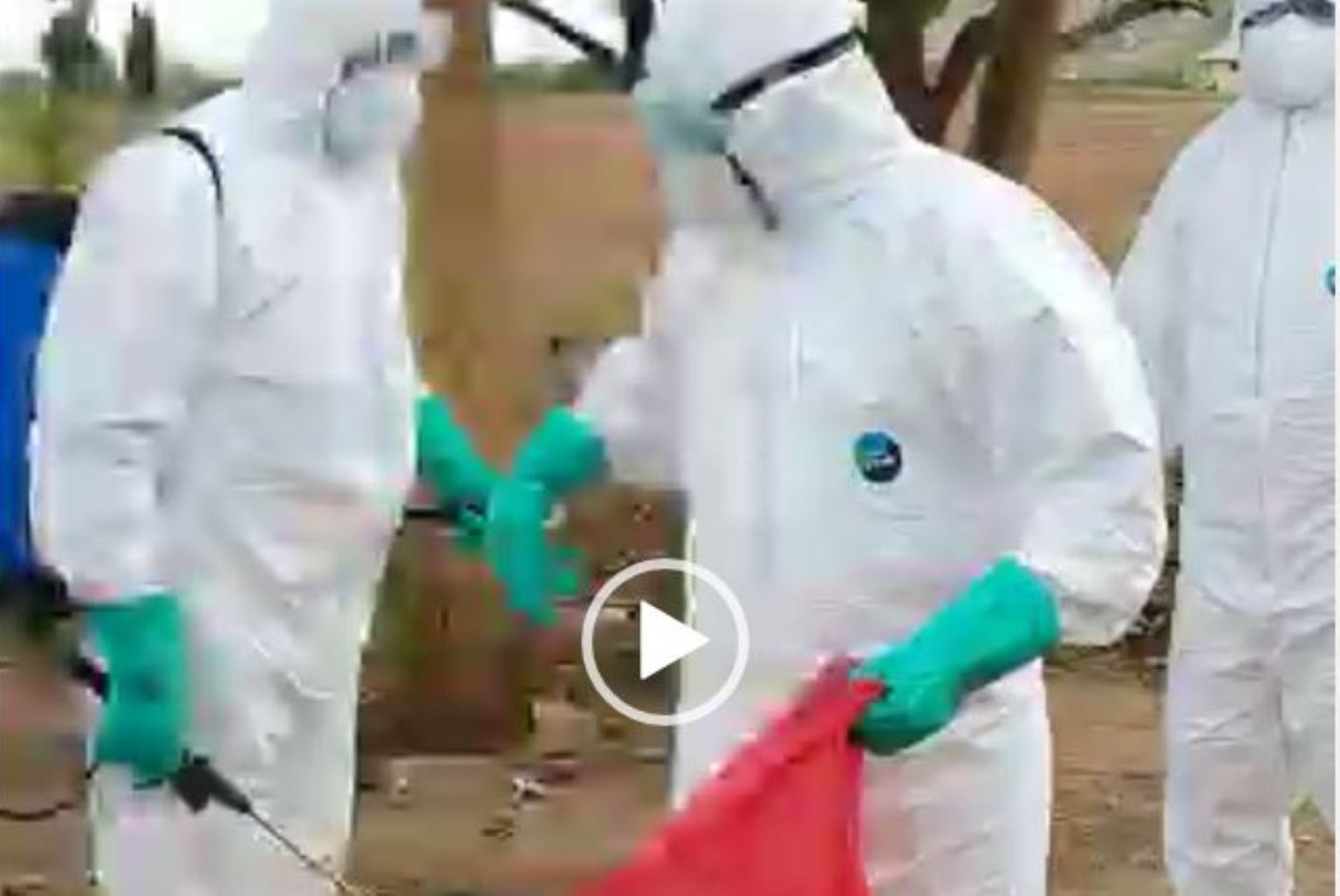
NCDC Nigeria Ebola High Alert: Declared Over DRC Outbreak
Summary
- Nigeria's Centre for Disease Control and Prevention (NCDC) has issued a high alert for Ebola Virus Disease (EVD).
- This alert follows an update on the ongoing EVD outbreak in the Democratic Republic of the Congo (DRC).
- NCDC Director-General Jide Idris announced the measure via a health advisory.
- Preparatory activities are currently in progress to bolster Nigeria's response capabilities.
Heightened Vigilance Declared
The NCDC's decision to place Nigeria on a high alert for Ebola carries significant implications for national public health and emergency preparedness frameworks.
Nigeria has been placed on an elevated state of vigilance by its primary public health institution, the Nigeria Centre for Disease Control and Prevention (NCDC). This significant declaration of a "high alert" status comes in direct response to recent information concerning the persistent Ebola Virus Disease (EVD) outbreak currently affecting the Democratic Republic of the Congo (DRC). The decision underscores a proactive approach to national health security.
The announcement, which signals a period of intensified preparedness across the nation, was formally communicated by Dr. Jide Idris, the Director-General of the NCDC. He conveyed this critical update through an official health advisory, ensuring that public health stakeholders and the general populace are informed about the potential implications of the regional health crisis. This move by the NCDC Nigeria Ebola high alert strategy aims to preempt any potential cross-border transmission and bolster domestic defenses.
Regional Outbreak Prompts National Action
The impetus for Nigeria's heightened state of readiness stems from the ongoing public health challenge posed by the Ebola Virus Disease in the Democratic Republic of the Congo. Updates regarding the trajectory and control efforts of this particular DRC Ebola outbreak Nigeria impact are closely monitored by health authorities across the continent. The NCDC's decision reflects a strategic assessment of the risks associated with such a virulent disease circulating in a neighboring region.
Ebola Virus Disease, known for its severe and often fatal nature, necessitates robust surveillance and rapid response mechanisms. The Nigeria Centre for Disease Control Ebola team is therefore acting on the principle of early intervention, aiming to mitigate any potential threat before it can establish a foothold within Nigerian borders. This proactive stance is a cornerstone of effective Nigerian public health emergency preparedness, ensuring that the nation remains resilient against imported health crises.
Strengthening National Response Capabilities
In conjunction with the declaration of a high alert, the Nigeria Centre for Disease Control and Prevention has confirmed that a series of preparatory activities are actively underway. These measures are specifically designed to reinforce and enhance the country's existing capabilities for responding to a potential Ebola Virus Disease Nigeria alert. The objective is to ensure that all necessary infrastructure, personnel, and protocols are robustly in place to manage any emergent situation effectively.
The ongoing efforts to strengthen the national response encompass various aspects of public health management. While specific details of these preparatory steps were not enumerated in the advisory, they typically involve reviewing surveillance systems, enhancing diagnostic capacities, updating isolation protocols, and reinforcing public awareness campaigns. The leadership under Jide Idris NCDC Ebola response planning is focused on building a comprehensive defense against the viral threat, learning from past experiences and international best practices.
Implications for Public Health and Preparedness
The NCDC's decision to place Nigeria on a high alert for Ebola carries significant implications for national public health and emergency preparedness frameworks. It serves as a critical reminder of the interconnectedness of global health and the constant need for vigilance against infectious diseases, especially those with high mortality rates like EVD. This proactive measure aims to safeguard the health of the Nigerian population by ensuring that all relevant agencies and communities are primed for a swift and coordinated response.
For various sectors, including legal and compliance professionals, this NCDC Nigeria Ebola high alert signals a period requiring increased attention to public health directives. Organizations may need to review their business continuity plans, employee health and safety protocols, and travel policies in anticipation of potential new regulations or guidance from health authorities. The emphasis on strengthening the national response highlights a commitment to protecting citizens and maintaining stability in the face of regional health challenges.
Practical Implications
Lawyers and compliance officers should monitor for potential new public health directives, travel restrictions, or workplace safety regulations from the NCDC, and review existing business continuity and employee health policies in anticipation of a potential Ebola response.
Source
How does this affect you?
Get an AI analysis of this article grounded in your jurisdictions, practice areas, and any policy documents you've uploaded to Wansom.
Finish Reading the Full Story and the Expert Analysis.
Get the latest legal & regulatory intelligence in Nigeria
Wansom is AI and can make mistakes.