
NBA Kenya: Advocates for Enhanced African Biosafety Representation at COP17
Summary
- Kenya's National Biosafety Authority (NBA) called for stronger African representation in global biodiversity and biosafety policy decisions at CBD COP17.
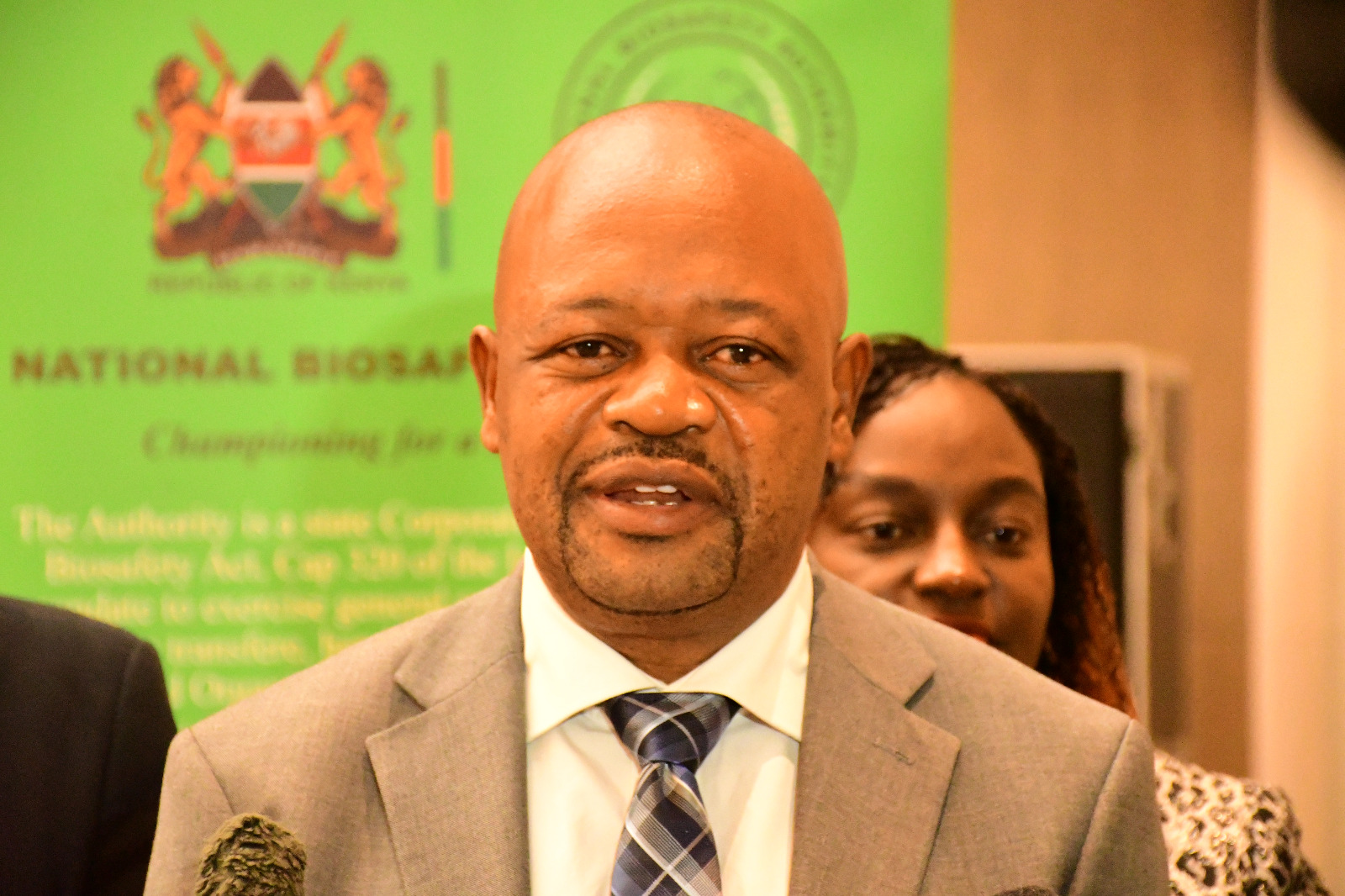
- NBA Chairman David Wamatsi emphasized the need for Africa to actively shape international agreements impacting its development.
- The NBA is Kenya's authority for implementing the Cartagena Protocol, overseeing GMOs to protect health and environment.
- COP17 is reviewing progress on the Kunming-Montreal Global Biodiversity Framework, which sets 23 targets for nature protection by 2030.
- The framework aims to mobilize $200 billion annually for biodiversity by 2030, including $30 billion for developing countries.
African Voice at Global Biodiversity Talks
By actively contributing to the shaping of international decisions, African nations aim to secure a future where biodiversity conservation and sustainable development are mutually reinforcing, tailored to their specific contexts and priorities.
Kenya's National Biosafety Authority (NBA) has strongly advocated for enhanced African representation in critical global discussions concerning biodiversity and biosafety. During the opening session of the 17th Conference of the Parties to the Convention on Biological Diversity (CBD COP17) in Yerevan, Armenia, NBA Chairman David Wamatsi underscored the continent's imperative to play a more significant role in shaping policies directly impacting its development priorities. This pivotal conference, scheduled from October 19 to 30, 2026, convenes governments, scientific experts, policymakers, and environmental organizations to address the urgent need to mitigate biodiversity loss and promote the sustainable utilization of biological resources.
Mr. Wamatsi articulated Kenya's unwavering commitment to collaborating with both regional and international partners to advance biosafety, ensure food security, and foster sustainable development across the continent. He emphasized that as Kenya and other African nations continue to strengthen their regulatory institutions, their active presence at these international forums is indispensable. Such participation guarantees that African priorities, scientific perspectives, and developmental aspirations are adequately reflected in the decisions that will ultimately define the future of global biodiversity and biosafety. The NBA Kenya African biosafety representation at COP17 is thus a crucial step in this direction.
Further reinforcing this stance, Wamatsi asserted that African countries must proactively engage in shaping international decisions on these vital subjects. He declared, "Kenya’s voice is Africa’s voice. Africa must not only participate in global conversations; but must help shape the decisions that define our future." This statement highlights the collective responsibility and potential influence Africa holds in these international negotiations, moving beyond mere attendance to active leadership in policy formulation. The conference also saw Armenian Prime Minister Nikol Pashinyan address the opening ceremony, with Environment Minister Hambardzum Matevosyan elected as COP17 president for a two-year term.
Upholding Biosafety and Biodiversity Commitments
The National Biosafety Authority Kenya serves as the nation's designated competent authority responsible for the effective implementation of the Cartagena Protocol on Biosafety implementation Kenya. Its core mandate involves meticulously overseeing the transfer, handling, and use of genetically modified organisms (GMOs) to ensure the protection of both human and animal health, as well as the broader environment. This regulatory oversight is crucial for managing the potential risks and benefits associated with biotechnology.
A significant focus of COP17 is the review of progress made towards the ambitious Kunming-Montreal Global Biodiversity Framework, which was adopted in 2022. This comprehensive framework outlines 23 specific targets designed to safeguard nature by the year 2030. Among its key commitments are the conservation of at least 30 percent of the world's land and marine areas, the restoration of 30 percent of degraded ecosystems, a substantial reduction in pollution levels, and the robust protection of threatened species. The framework also addresses the critical issue of financing biodiversity conservation, which is expected to be a prominent element of the negotiations.
Under this global framework, signatory nations have pledged to mobilize a minimum of 200 billion US dollars annually for biodiversity initiatives by 2030. This includes a specific commitment of 30 billion US dollars per year in international financial flows directed towards developing countries and economies in transition. Delegates at COP17 will also engage in discussions regarding reforms to government subsidies and incentives that currently harm biodiversity, alongside exploring mechanisms for enhanced scientific monitoring, accountability, community participation, and the equitable sharing of benefits derived from genetic resources. Further negotiations under both the Cartagena and Nagoya protocols will specifically address biosafety and access to genetic resources, respectively.
Implications for Future Policy and Development
The deliberations and outcomes of CBD COP17 carry substantial implications for Kenya and the wider African continent, particularly in shaping future national policy and regulatory landscapes. The emphasis by David Wamatsi and the NBA on active African participation underscores the direct link between global decisions and local development trajectories. The framework's targets, such as ecosystem restoration and species protection, directly align with Kenya's environmental conservation goals and agricultural practices, especially concerning GMO regulation Kenya.
The conference's expected outcome will provide crucial guidance for translating these global biodiversity commitments into tangible actions, directly impacting the protection of vital ecosystems and the communities that depend on them. For Kenya, this means potential shifts in domestic policies related to land use, resource management, and biotechnology governance. The financial commitments outlined in the Kunming-Montreal Global Biodiversity Framework also present significant opportunities for increased investment in conservation efforts within developing nations, including Kenya, provided effective mechanisms for accessing these funds are established.
Ultimately, the strong advocacy for NBA Kenya African biosafety representation at COP17 is a strategic move to ensure that the continent's unique challenges and opportunities are not overlooked. By actively contributing to the shaping of international decisions, African nations aim to secure a future where biodiversity conservation and sustainable development are mutually reinforcing, tailored to their specific contexts and priorities. This proactive engagement is vital for ensuring that global frameworks are equitable and implementable at a national level.
Practical Implications
Lawyers and compliance officers in Kenya advising on biotechnology, agriculture, or environmental matters should monitor the outcomes of CBD COP17. The NBA's advocacy signals potential future national policy and regulatory shifts regarding GMOs, biodiversity conservation, and benefit-sharing, which could impact compliance obligations and project approvals in Kenya.
Source
How does this affect you?
Get an AI analysis of this article grounded in your jurisdictions, practice areas, and any policy documents you've uploaded to Wansom.
Finish Reading the Full Story and the Expert Analysis.
Get the latest legal & regulatory intelligence in Kenya
Wansom is AI and can make mistakes.