
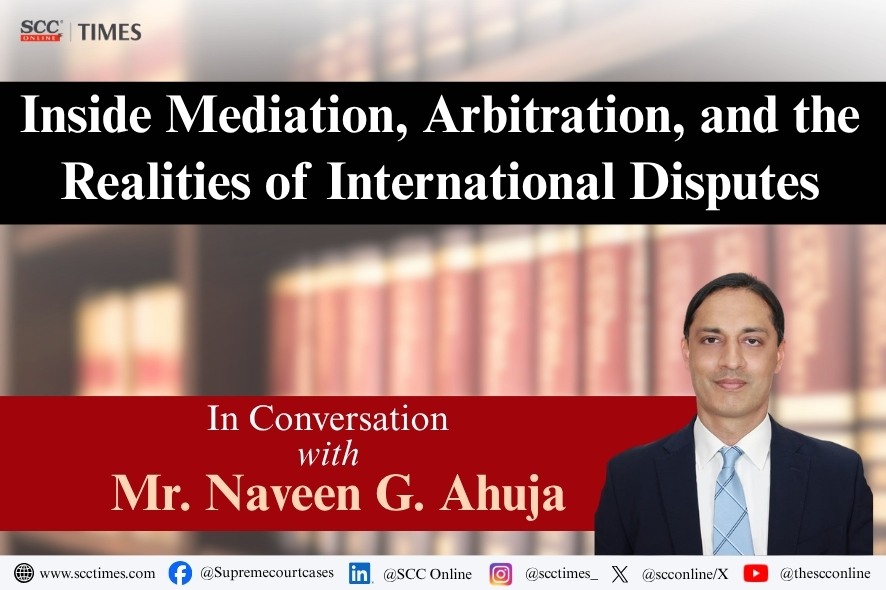
Naveen G Ahuja's International Arbitration Tactics Challenged by Guerrilla Warfare
Summary
- Naveen G Ahuja has spent nearly two decades in international sale of goods and manufacturing sector, transitioning from being embedded in disputes to resolving them.
- Ahuja operates as both a mediator and an arbitrator, with distinct mindsets for each role.
- His book Taming the Guerrilla in International Commercial Arbitration: Levelling the Playing Field explores guerrilla tactics in international commercial arbitration, including online disruptions during virtual hearings.
What Happened
Ahuja notes that these tactics have become more sophisticated over time, particularly with the rise of virtual hearings during the COVID-19 pandemic.
Naveen G Ahuja has spent nearly two decades in the international sale of goods and manufacturing sector. He transitioned from being embedded in disputes to resolving them, leveraging his expertise in business dynamics to channel into dispute resolution. Ahuja's background in international sales gave him a unique understanding of both seller's and buyer's perspectives, allowing him to appreciate all viewpoints and lead him to want to help resolve disputes.
Ahuja operates as both a mediator and an arbitrator, with distinct mindsets for each role. In mediation, he focuses on facilitative techniques, encouraging parties to communicate and understand each other's needs. As an arbitrator, his role shifts entirely, requiring him to listen to submissions and make a decisive ruling.
Ahuja has written extensively on the topic of guerrilla tactics in international commercial arbitration, including in his book Taming the Guerrilla in International Commercial Arbitration: Levelling the Playing Field. He notes that these tactics have become more sophisticated over time, particularly with the rise of virtual hearings during the COVID-19 pandemic.
Relevant Legal/Regulatory Context
The increasing sophistication of guerrilla tactics in international commercial arbitration poses significant challenges for lawyers and parties involved. Ahuja's book explores why parties resort to these tactics, including disruptive, dilatory, and 'dirty tricks.' The final chapter addresses online guerrilla tactics that emerged with virtual hearings, highlighting the need for experienced arbitrators to adapt to new challenges.
Ahuja's expertise as a mediator and arbitrator has given him a unique perspective on the role of mediation versus arbitration in dispute resolution. He notes that while mediation is focused on collaboration, arbitration is about judgment. This distinction highlights the importance of understanding the nuances of each process and how they can be used effectively.
Ahuja's work as a Visiting Professor of Law at Guangxi University and his representation of the Asian Institute of Alternative Dispute Resolution (AIADR) demonstrate his commitment to promoting education and awareness about international arbitration and trade law.
Why It Matters
The rise of guerrilla tactics in international commercial arbitration has significant implications for lawyers, parties, and the legal system as a whole. Ahuja's work highlights the need for experienced arbitrators to adapt to new challenges and for lawyers to be aware of these sophisticated tactics.
Ahuja's expertise and experience make him an important voice in the field of international commercial arbitration. His commitment to promoting education and awareness about this complex topic is essential for building a more informed and effective legal community.
The increasing sophistication of guerrilla tactics also raises questions about the role of technology in dispute resolution. Ahuja's work on online guerrilla tactics highlights the need for lawyers to be aware of these emerging challenges and to adapt their strategies accordingly.
Practical Implications
Lawyers should be aware of increasingly sophisticated 'guerrilla' tactics employed by parties in international commercial arbitration, including online disruptions during virtual hearings, and consider how to advise clients on mitigating these risks.
Source
How does this affect you?
Get an AI analysis of this article grounded in your jurisdictions, practice areas, and any policy documents you've uploaded to Wansom.
Wansom is AI and can make mistakes.