
Narendra Goswami Supreme Court Virtual Hearing Records: Preservation Sought
Summary
- Advocate Narendra Kumar Goswami reported losing virtual access to his Supreme Court hearing for over 20 minutes on September 21, 2026.
- He remained connected via Webex with functional internet but experienced a 'blackout' during his case, W.P.(C) No.790/2026.
- Goswami has requested the Chief Justice to preserve all electronic records from the incident and conduct an administrative inquiry into its cause.
- He also proposed a new institutional protocol to ensure authenticated party access continues even if public livestreams are suspended.
- The advocate's request cites Supreme Court jurisprudence emphasizing technology's role in enlarging meaningful access to judicial proceedings.
Virtual Courtroom Blackout Reported
This unexpected Supreme Court virtual courtroom blackout prevented him from observing the proceedings directly during a critical period, prompting his administrative communication to the Chief Justice.
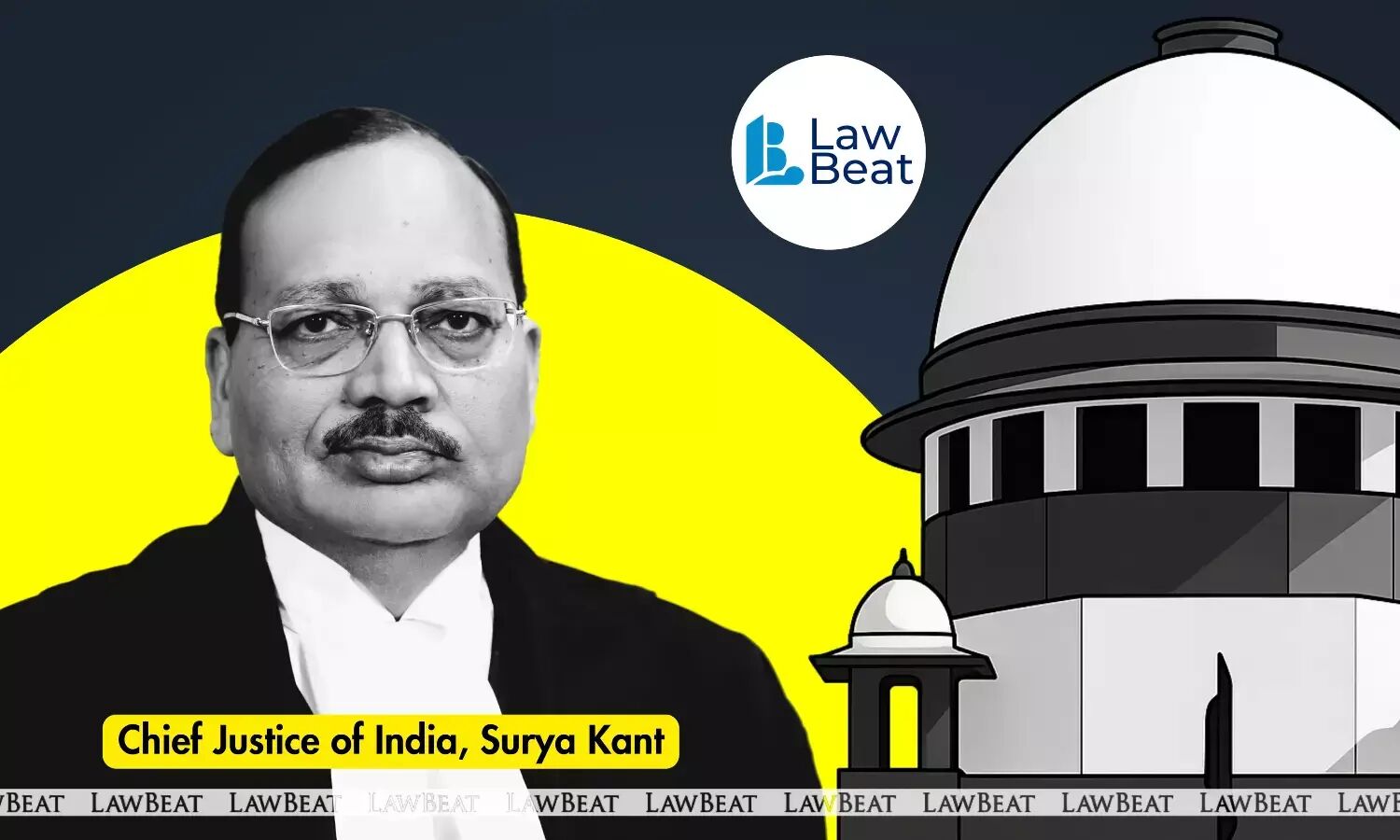
An advocate and Petitioner-in-Person, Narendra Kumar Goswami, has formally alerted Chief Justice Surya Kant of the Supreme Court of India to a significant disruption during a virtual hearing. On September 21, 2026, Goswami reported losing visual access to the Court No. 1 feed for over 20 minutes while his connected matter, W.P.(C) No.790/2026, was actively being heard. The incident occurred between approximately 3:10 PM and 3:40 PM, despite Goswami remaining connected to the Court's official Webex facility throughout the session, with his internet connection functioning normally and the Control Room accessible via chat.
Earlier in the day, at around 1:43 PM, the Court No. 1 feed had been clearly visible on his screen. However, the problem arose specifically when the batch of connected cases, including his own, was taken up by the court. This unexpected Supreme Court virtual courtroom blackout prevented him from observing the proceedings directly during a critical period, prompting his administrative communication to the Chief Justice.
Advocate's Administrative Requests
In his representation to the Chief Justice, Narendra Kumar Goswami explicitly clarified that he is not seeking any judicial relief, nor is he making allegations against any judge, court master, registry officer, or technical personnel. Instead, his request is administrative in nature, focusing on three key areas. Firstly, he has asked for the preservation of all electronic records from Court No. 1 for the specific half-hour window on September 21, 2026, including Webex session data, participant join-and-leave logs, Control Room chat records, moderator event logs, and server-side timestamps. This request for Narendra Goswami Supreme Court virtual hearing records aims to secure crucial data before routine deletion or overwriting.
Secondly, Goswami seeks an administrative or technical inquiry to ascertain the precise cause of the interruption, whether it stemmed from a judicial directive, a moderator's action, a technical malfunction, or another factor. He also requested that the conclusions of this inquiry be communicated to him, provided it aligns with judicial confidentiality. Finally, he urged the Court to consider developing a prospective institutional protocol that would differentiate between public livestream access and authenticated party access in virtual hearings. Such a protocol would ensure that an authenticated party's access continues even if public livestreaming is suspended, incorporating a real-time escalation mechanism to the Court Master should a party report a loss of access, thereby enhancing Webex records preservation India.
Legal and Procedural Context
Goswami's petition, W.P.(C) No.790/2026, is a matter of public interest concerning alleged misappropriation of donations connected with the Shri Ram Janmabhoomi Temple. On the day of the incident, his case was listed as Item No. 42 on the cause list for Court No. 1, explicitly connected with Item No. 41 and two other matters, with all four slated to be heard concurrently. The representation highlights a specific detail from the Webex platform's contemporaneous chat records: a 3:23 PM reply from the Control Room referred only to a Petitioner-in-Person (PIP) in Item 41, despite Goswami having identified himself as the PIP for the connected Item No. 42. He flags this mismatch as significant, particularly when multiple Petitioners-in-Person are involved in a batch of connected cases.
His request is grounded in the Supreme Court's own jurisprudence regarding court technology. He cites *Swapnil Tripathi v. Supreme Court of India* (2018) 10 SCC 639, which established the principle that technology should serve to enlarge meaningful access to judicial proceedings, rather than merely simulating electronic presence. The representation also references *Sarvesh Mathur v. Registrar General, High Court of Punjab & Haryana*, reinforcing the legal framework that underpins the need for reliable and accessible virtual court systems.
Implications for Virtual Justice
This incident underscores potential vulnerabilities within the Supreme Court's virtual hearing infrastructure, particularly concerning the reliability of authenticated party access. The reported blackout raises questions about the robustness of India e-court protocols and the mechanisms in place to ensure continuous and meaningful participation for litigants. Ensuring uninterrupted CJI virtual hearing access is paramount for maintaining public trust and the integrity of judicial processes, especially as virtual proceedings become a more permanent fixture of the legal landscape.
The advocate's call for an administrative inquiry and the development of a distinct protocol for authenticated party access highlights a critical area for improvement. Such measures are vital to prevent similar disruptions and to guarantee that virtual courtrooms genuinely expand, rather than inadvertently restrict, access to justice. The preservation of Webex records in India, as requested by Goswami, is a fundamental step towards accountability and understanding the technical or procedural gaps that may lead to such significant interruptions in high-stakes legal proceedings.
Practical Implications
This development highlights potential vulnerabilities in virtual court proceedings, specifically concerning authenticated party access and record integrity. Lawyers and compliance officers should monitor the outcome of the requested administrative inquiry and any new institutional protocols, as these could directly impact their ability to effectively participate in and rely on virtual hearings in the Supreme Court, potentially necessitating adjustments to their preparation and participation strategies.
Source
How does this affect you?
Get an AI analysis of this article grounded in your jurisdictions, practice areas, and any policy documents you've uploaded to Wansom.
Finish Reading the Full Story and the Expert Analysis.
Get the latest legal & regulatory intelligence in India
Wansom is AI and can make mistakes.