
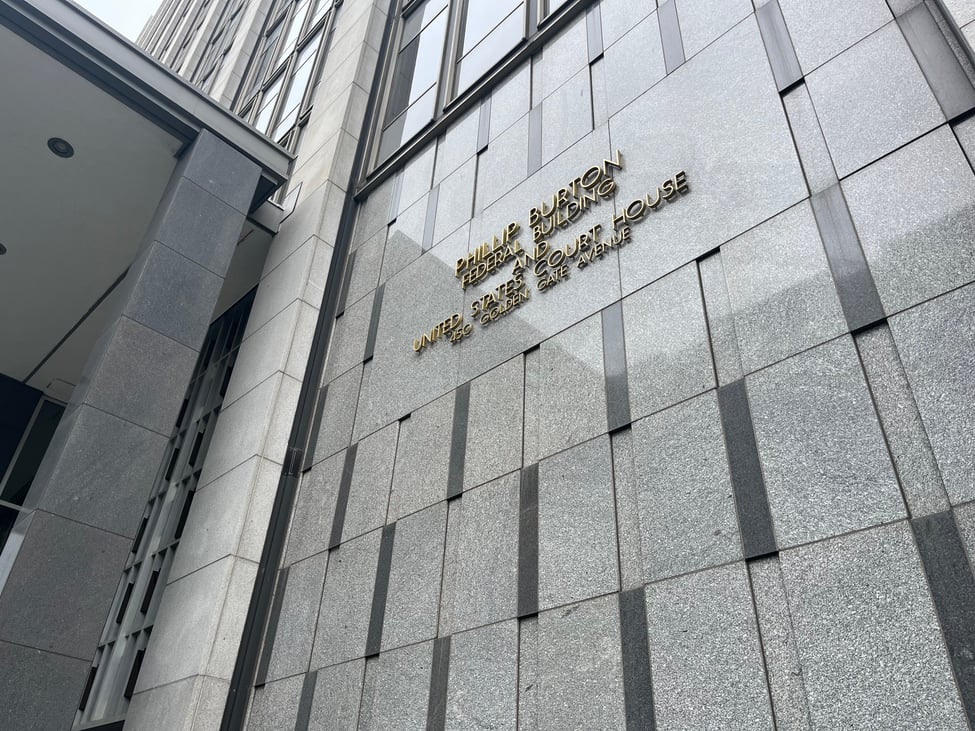
Napa State Hospital Patient Stabbing Lawsuit: Judge Illston Allows Claims to Proceed
Summary
- Marcella Elizabeth Martinez is suing Napa State Hospital after being stabbed by a fellow patient during her involuntary commitment.
- Martinez claims she reported threats, sexual advances, and racial slurs from the assailant at least three times before the attack.
- A federal judge allowed "failure to protect" and negligence claims against the hospital's executive director, unit supervisor, and treatment team members to proceed to trial in their individual capacities.
- The court rejected defense arguments for qualified immunity and claims of no duty of care, citing "genuine issues of material fact" and "conscious indifference to a known threat."
- This case highlights ongoing legal scrutiny over patient safety and staff accountability in psychiatric facilities.
The Incident and Initial Allegations
Instead, Martinez's claim posits that the defendants acted with 'conscious indifference to a known threat to plaintiff’s safety' by specifically placing her with Patient B, given the reported prior incidents.
Marcella Elizabeth Martinez has brought a lawsuit against Napa State Hospital, alleging that the facility failed to safeguard her from a violent assault by another patient during her involuntary commitment. The complaint details that Martinez was stabbed four times with a makeshift knife, an attack that necessitated emergency medical care. This severe incident followed multiple prior warnings from Martinez, who claims she reported to hospital staff on at least three separate occasions that the fellow patient was making unwanted sexual advances, issuing threats, and using racial slurs against her.
The legal action, filed in August 2023, names several defendants, including the hospital itself, its then-executive director Cindy Black, and Veronica Inocencio, who supervised the unit where Martinez was housed. Martinez's claims center on the assertion that despite her repeated reports of a known threat, the hospital and its personnel did not take adequate steps to ensure her safety, ultimately leading to the stabbing. This Napa State Hospital patient stabbing lawsuit highlights critical questions regarding patient safety protocols and the responsibilities of psychiatric institutions towards individuals under their involuntary care.
Judicial Findings and Claims Advancing
In a significant development for the Marcella Elizabeth Martinez lawsuit, Senior U.S. District Judge Susan Illston recently issued a ruling that allows several key claims to proceed to trial. While the judge granted summary judgment on negligent supervision claims against Cindy Black and Veronica Inocencio in their official capacities, and Martinez herself conceded summary judgment for the Transgender Treatment Advisory Committee defendants and Black in her official capacity, the core allegations of failure to protect and negligence against Black, Inocencio, and members of Martinez’s treatment team in their individual capacities will be heard by a jury.
Judge Illston, an appointee of former President Bill Clinton, determined that "genuine issues of material fact" exist for each of the surviving claims, necessitating a trial to resolve these disputes. Her 16-page order, released on a Friday, specifically noted that "there is a material dispute regarding whether and to what degree defendants violated the professional judgment standard." This Judge Susan Illston ruling underscores the court's view that the evidence presented warrants further examination into the individual actions and responsibilities of the hospital's leadership and staff concerning Martinez’s safety, particularly regarding Napa State Hospital negligence claims.
Rejection of Defense Arguments and Duty of Care
A central aspect of Judge Illston's ruling involved the rejection of several defense arguments, particularly concerning qualified immunity and the scope of duty of care. The defendants had asserted qualified immunity Napa State Hospital, contending they were merely following a nondiscrimination policy by housing Martinez, a cisgender female, in the same unit as the transgender female patient who later attacked her. However, the judge clarified that the plaintiff's theory was not that housing her with a transgender patient inherently violated her constitutional rights. Instead, Martinez's claim posits that the defendants acted with 'conscious indifference to a known threat to plaintiff’s safety' by specifically placing her with Patient B, given the reported prior incidents.
Furthermore, the court dismissed arguments from Veronica Inocencio, who sought dismissal based on her physical absence from the hospital on the day of the stabbing. Both Inocencio and Cindy Black also argued they owed no duty of care to Martinez as hospital officials not directly involved in her day-to-day patient care. Judge Illston firmly rejected these contentions, stating that California law imposes a general duty of care on all individuals. The judge concluded that factual disputes persist regarding Black and Inocencio’s direct involvement with both Martinez and the assailant, making summary judgment inappropriate for these individual liability claims, especially concerning failure to protect claims Napa and involuntary commitment patient safety.
Practical Implications
Lawyers advising psychiatric hospitals or healthcare providers should review their 'failure to protect' policies, staff training on threat assessment, and qualified immunity defenses, particularly concerning individual liability for supervisors and treatment teams. Compliance officers need to ensure robust protocols for managing patient-on-patient threats and documenting staff responses, as this case demonstrates ongoing liability even when threats are reported.
Source
How does this affect you?
Get an AI analysis of this article grounded in your jurisdictions, practice areas, and any policy documents you've uploaded to Wansom.
Finish Reading the Full Story and the Expert Analysis.
Get the latest legal & regulatory intelligence in United States
Wansom is AI and can make mistakes.