
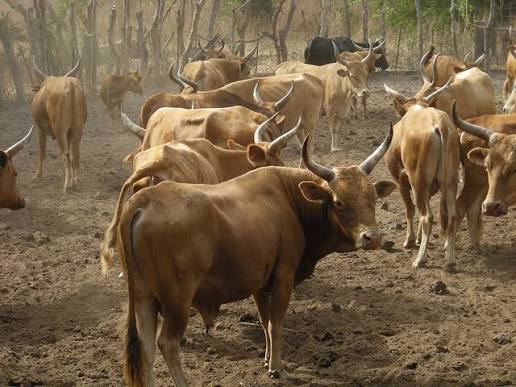
Namibia: Zamco Cattle Payment Delays Zambezi Spark Farmer Outcry
Summary
- The Zambezi Meat Corporation (Zamco) faces accusations of failing to pay livestock farmers in the Zambezi region.
- The dispute involves 770 head of cattle that Zamco reportedly collected from farmers since June.
- Farmers allege Zamco had promised to disburse payments within four to seven days of receiving the livestock.
- Albertus Kulobone, a representative for Zambezi Progressive Farmers, has publicly voiced these concerns.
Allegations of Unpaid Livestock Deliveries
The failure to adhere to this agreed-upon timeframe, particularly for cattle collected since June, has left numerous farmers in a precarious financial position.
The Zambezi Meat Corporation (Zamco) is currently facing serious accusations from livestock farmers within Namibia's Zambezi region concerning significant delays in payments for cattle supplied. Farmers allege that Zamco has failed to remit funds for a substantial number of animals collected over several months, leading to considerable financial strain for the agricultural community. This situation highlights growing concerns over Zamco cattle payment delays Zambezi and the reliability of commercial agreements in the local livestock sector.
Specifically, the dispute centers around 770 head of cattle that Zamco reportedly acquired from these farmers. The collection of these animals commenced as early as June, yet the promised remuneration has not materialized, according to farmer representatives. This prolonged delay directly contradicts the payment terms allegedly agreed upon at the time of collection, creating a contentious environment between the corporate entity and its suppliers.
Albertus Kulobone, representing the Zambezi Progressive Farmers, has publicly articulated the grievances of the affected farmers. His statements underscore the collective frustration and financial uncertainty experienced by those who have delivered their livestock to Zamco under the expectation of prompt payment. The ongoing non-payment for such a large consignment of cattle represents a significant challenge for the region's agricultural economy.
Disputed Payment Terms and Farmer Expectations
The core of the Zambezi Meat Corporation payment issues lies in the alleged breach of an explicit payment agreement. Farmers assert that Zamco had committed to a payment schedule stipulating that funds would be disbursed within a short window of four to seven days following the receipt of their cattle. This rapid turnaround is crucial for livestock farmers, who rely on timely payments to manage their operational costs, invest in their herds, and sustain their livelihoods.
The failure to adhere to this agreed-upon timeframe, particularly for cattle collected since June, has left numerous farmers in a precarious financial position. What was expected to be a swift transaction has instead become a protracted wait, with no indication of when the outstanding payments for the 770 head of cattle will be settled. This discrepancy between the promised terms and the current reality forms the basis of the farmers' accusations against Zamco.
Such delays can have cascading effects throughout the agricultural supply chain, impacting not only the individual farmers but also their ability to plan for future seasons and meet their own financial obligations. The expectation of prompt payment is a fundamental aspect of commercial trust in the livestock industry, and its alleged erosion in this instance raises broader questions about contractual integrity.
Implications for Namibia's Agricultural Sector
This unfolding situation signals potential Agricultural contract breach Namibia and underscores the risks faced by suppliers in commercial agreements. The allegations against Zamco could escalate into a significant Namibia livestock payment dispute, potentially leading to legal challenges if a resolution is not found swiftly. For the farmers, the immediate concern is the recovery of their outstanding payments, which represent a substantial portion of their annual income.
The involvement of the Zambezi Progressive Farmers, through their representative Albertus Kulobone, highlights the collective action being taken to address these Commercial dispute Zamco concerns. Such organized representation is vital for individual farmers who might otherwise lack the resources or leverage to confront a larger corporate entity over payment issues. The outcome of this dispute could set a precedent for how similar payment disagreements are handled within Namibia's vital agricultural sector.
This development serves as a critical reminder for all parties involved in agricultural commerce to ensure robust and clearly defined payment terms in supply agreements. It also emphasizes the necessity for effective dispute resolution mechanisms to protect the interests of suppliers, particularly small and medium-scale farmers, against delayed or non-payment. The stability of the livestock industry depends heavily on reliable and equitable commercial practices.
Practical Implications
This development signals potential breach of contract and commercial dispute risks for agricultural suppliers in Namibia. Lawyers advising livestock farmers or agribusinesses should review payment terms in supply agreements and be prepared to advise on dispute resolution for delayed or non-payment.
Source
How does this affect you?
Get an AI analysis of this article grounded in your jurisdictions, practice areas, and any policy documents you've uploaded to Wansom.
Wansom is AI and can make mistakes.