
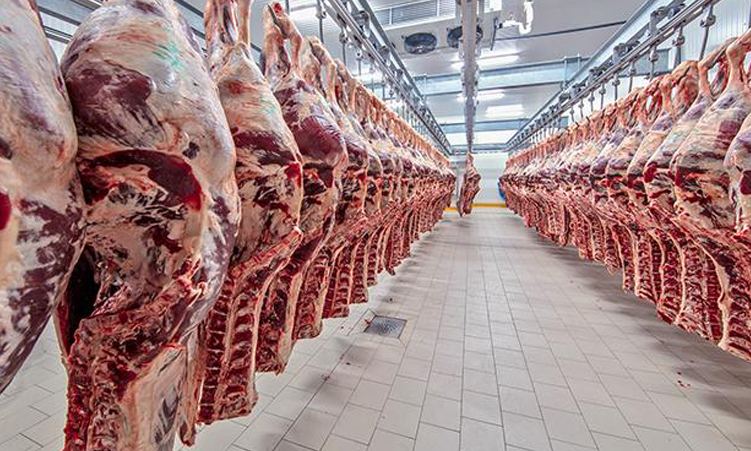
Namibia Veterinary Services Budget Exhausted, EU Beef Exports at Risk
Summary
- The Directorate of Veterinary Services (DVS) in Namibia has exhausted its operational budget, putting EU export inspections at risk.
- EU-approved livestock farms must undergo annual inspections by a state veterinarian to maintain certification.
- Delays or disruptions to the inspection process could impact beef exports from Namibia and compliance obligations for exporters.
- Lawyers advising clients on exporting beef to the EU should monitor the situation closely and be prepared for changes to the inspection schedule or requirements.
What Happened
The exhaustion of the DVS budget has created a logistical nightmare for the agency, which must now prioritize its limited resources.
The Directorate of Veterinary Services (DVS) in the Ministry of Agriculture, Fisheries, Water and Land Reform has reached a critical juncture. Its operational budget for the 2026/27 financial year has been depleted, leaving the EU export inspection process in jeopardy.
This development is particularly concerning for Namibia's beef industry, which relies heavily on exports to the European Union. EU-approved livestock farms must undergo annual inspections by a state veterinarian to maintain their certification, and with the DVS budget exhausted, these inspections are now under pressure.
Legal Context
The EU's strict regulations regarding animal health and welfare require member states to ensure that exported beef meets certain standards. This includes regular inspections of livestock farms by authorized personnel, such as state veterinarians. In Namibia, the DVS is responsible for overseeing these inspections and ensuring compliance with EU regulations.
However, the exhaustion of the DVS budget has created a logistical nightmare for the agency, which must now prioritize its limited resources. This may lead to delays or disruptions in the inspection process, potentially impacting the export schedules of beef producers.
Why It Matters
The implications of this situation are far-reaching and have significant consequences for Namibia's beef industry. Exporters must navigate a complex regulatory landscape, and any disruption to the inspection process can result in costly delays or even loss of certification.
Lawyers advising clients on exporting beef to the EU should be aware of these potential risks and take steps to mitigate them. This includes monitoring the situation closely and being prepared for any changes to the inspection schedule or requirements.
Practical Implications
Lawyers advising clients on exporting beef to the EU should watch for potential delays or disruptions to the inspection process, which could impact their compliance obligations and export schedules.
Source
How does this affect you?
Get an AI analysis of this article grounded in your jurisdictions, practice areas, and any policy documents you've uploaded to Wansom.
Wansom is AI and can make mistakes.