
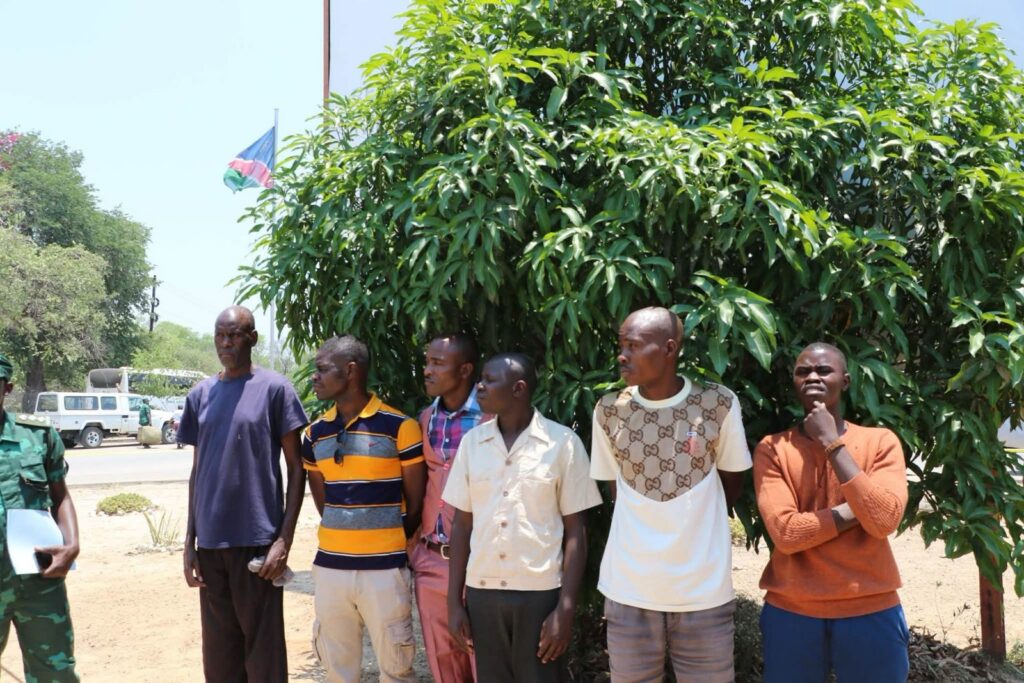
Namibia: Transfers 6 Zambian Inmates to Home Country
Summary
- Namibia transferred six Zambian male inmates to Zambia on Tuesday.
- The transfer took place at the Katima Mulilo border post in the Zambezi region.
- These inmates will complete their sentences in Zambia, allowing them to be closer to their families.
- The six individuals are part of a larger group of 142 Zambian nationals currently imprisoned in Namibia.
- This action highlights the active implementation of prisoner transfer agreements between Namibia and Zambia.
What Happened
This development confirms the active implementation of prisoner transfer agreements between Namibia and Zambia, which is crucial for lawyers advising foreign nationals incarcerated in either country on potential repatriation options or for understanding the practical application of international judicial cooperation in criminal matters.
Namibia recently facilitated the transfer of six Zambian male inmates who had been serving their sentences within its correctional facilities. These individuals were repatriated to Zambia, where they are expected to complete the remainder of their prison terms. The primary objective of this cross-border prisoner exchange is to enable the transferred individuals to serve their sentences in closer proximity to their families, thereby supporting their reintegration and maintaining familial ties.
The specific operation for this inmate repatriation occurred on Tuesday. The designated point for this transfer was the Katima Mulilo border post, a key crossing situated within Namibia's Zambezi region. This logistical arrangement underscores the practical coordination required for such international judicial cooperation between the two neighboring states.
Broader Context
The six male inmates involved in this recent transfer represent a small portion of a larger population of foreign nationals incarcerated in Namibia. Currently, a total of 142 Zambian nationals are serving sentences within Namibian correctional institutions. This figure highlights the ongoing presence of foreign citizens within the country's penal system and the continuous need for mechanisms to manage such cases.
This specific transfer, while limited in number, indicates an active process of addressing the incarceration of foreign nationals. It suggests that both Namibia and Zambia are engaging in ongoing discussions and implementing agreements to facilitate the repatriation of prisoners, which is a common practice in international relations to alleviate the burden on host countries and provide humanitarian benefits to inmates.
Significance of Repatriation
The repatriation of these inmates holds significant implications, particularly in the realm of international judicial cooperation and humanitarian considerations. Allowing prisoners to serve their sentences in their home country, closer to their support networks, is widely recognized as a measure that can positively impact rehabilitation efforts and reduce the psychological strain on incarcerated individuals and their families. This approach aligns with international best practices aimed at fostering better conditions for prisoners and aiding their eventual reintegration into society.
Furthermore, this development confirms the active implementation of prisoner transfer agreements between Namibia and Zambia. Such agreements are crucial for lawyers advising foreign nationals incarcerated in either country on potential repatriation options or for understanding the practical application of international judicial cooperation in criminal matters. The successful execution of this transfer at the Katima Mulilo border post serves as a tangible example of the operational effectiveness of these bilateral arrangements, demonstrating a commitment from both nations to uphold their responsibilities under such accords and to facilitate the humane treatment of prisoners across borders.
Practical Implications
This development confirms the active implementation of prisoner transfer agreements between Namibia and Zambia, which is crucial for lawyers advising foreign nationals incarcerated in either country on potential repatriation options or for understanding the practical application of international judicial cooperation in criminal matters.
Source
How does this affect you?
Get an AI analysis of this article grounded in your jurisdictions, practice areas, and any policy documents you've uploaded to Wansom.
Finish Reading the Full Story and the Expert Analysis.
Wansom is AI and can make mistakes.