
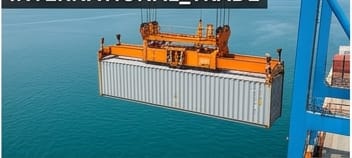
Namibia: International Trade Management Bill 2026 Seeks New Commission
Summary
- The International Trade Management Bill, 2026, has been tabled in Namibia's National Assembly by Minister Selma Ashipala-Musavyi.
- The bill proposes an independent International Trade Management Commission to oversee tariffs and international trade matters.
- This commission will investigate and recommend changes to customs duties, rebates, and refunds, while also addressing unfair trade practices like dumping and subsidised imports.
- The legislation aims to support Namibia's industrialisation goals under the NDP6, targeting an increase in manufactured goods in exports from 42% to 60% by 2029/30.
- The bill, developed through extensive stakeholder consultations, will now proceed to a parliamentary standing committee for detailed review.
Key Legislative Development
This legislation is poised to introduce an independent body with significant authority over tariffs, import duties, and the identification of unfair trade practices, fundamentally reshaping the landscape for entities engaged in international commerce with Namibia.
International Relations and Trade Minister Selma Ashipala-Musavyi recently introduced the Namibia International Trade Management Bill 2026 to the National Assembly. This pivotal legislative proposal seeks to establish an independent commission tasked with overseeing the nation's tariffs and broader international trade matters. The proposed International Trade Management Commission Namibia is designed to grant the country enhanced autonomy in managing its trade interests, with a specific focus on safeguarding domestic businesses and workers from potentially adverse international trade practices.
The minister underscored the bill's significance, describing it as a cornerstone economic framework that will directly influence Namibia's global trade interactions, foster industrial growth, and protect the livelihoods of its citizens. This legislation is poised to introduce an independent body with significant authority over tariffs, import duties, and the identification of unfair trade practices, fundamentally reshaping the landscape for entities engaged in international commerce with Namibia.
Mandate of the New Commission
The envisioned International Trade Management Commission Namibia will possess a broad mandate, including the authority to investigate and propose adjustments to various tariff mechanisms. This encompasses recommendations concerning Namibia customs duties changes, rebates, and refunds. Furthermore, the commission will be instrumental in addressing unfair trade practices Namibia, such as the dumping of goods, the influx of subsidised imports, and sudden surges in imports that could potentially harm local producers.
A key function will also involve providing support to nascent industries through infant-industry protection, allowing new enterprises the necessary time to develop and compete effectively. This initiative is presented as a crucial response to an increasingly complex global trading environment, characterised by geopolitical tensions, protectionist measures, escalating shipping and energy costs, and evolving supply chains.
Strategic Economic Objectives
This legislative effort is strategically aligned with Namibia's broader economic goals, particularly supporting the industrialisation targets outlined in the Sixth National Development Plan (NDP6). A primary objective of NDP6 is to significantly increase the proportion of manufactured goods within Namibia's exports, aiming for a rise from 42% in 2024 to 60% by the 2029/30 fiscal year. The minister highlighted that tariffs serve as vital instruments for industrialisation and directly influence the cost of doing business, making the commission's role in Namibia industrialisation trade policy central.
Beyond domestic impact, the commission is also expected to bolster Namibia's standing within key regional economic blocs, including the Southern African Customs Union (SACU), the Southern African Development Community (SADC), and the African Continental Free Trade Area (AfCFTA). This comprehensive Namibia trade protection legislation aims to strengthen the nation's economic resilience and competitive edge on both regional and global stages.
Balancing Interests and Next Steps
A critical aspect of the commission's operational framework will involve carefully balancing the interests of local producers with those of consumers. This delicate equilibrium is essential to ensure that trade protection measures do not inadvertently lead to an undue increase in the cost of living for Namibian citizens.
The development of the Namibia International Trade Management Bill 2026 was a collaborative process, involving extensive consultations with various government institutions, representatives from the private sector, organised labour, and other relevant stakeholders. Following its introduction, the bill is now slated for referral to the appropriate parliamentary standing committee for thorough and detailed consideration, marking the next phase in its legislative journey.
Practical Implications
Lawyers and compliance officers should closely monitor the progression of Namibia's International Trade Management Bill, 2026, as its enactment will introduce a new independent commission with significant powers over tariffs, import duties, and unfair trade practices, potentially altering compliance requirements and the cost of doing business for entities engaged in international trade with Namibia.
Source
Source: Original reporting via New Era
How does this affect you?
Get an AI analysis of this article grounded in your jurisdictions, practice areas, and any policy documents you've uploaded to Wansom.
Finish Reading the Full Story and the Expert Analysis.
Get the latest legal & regulatory intelligence in Namibia
Wansom is AI and can make mistakes.