
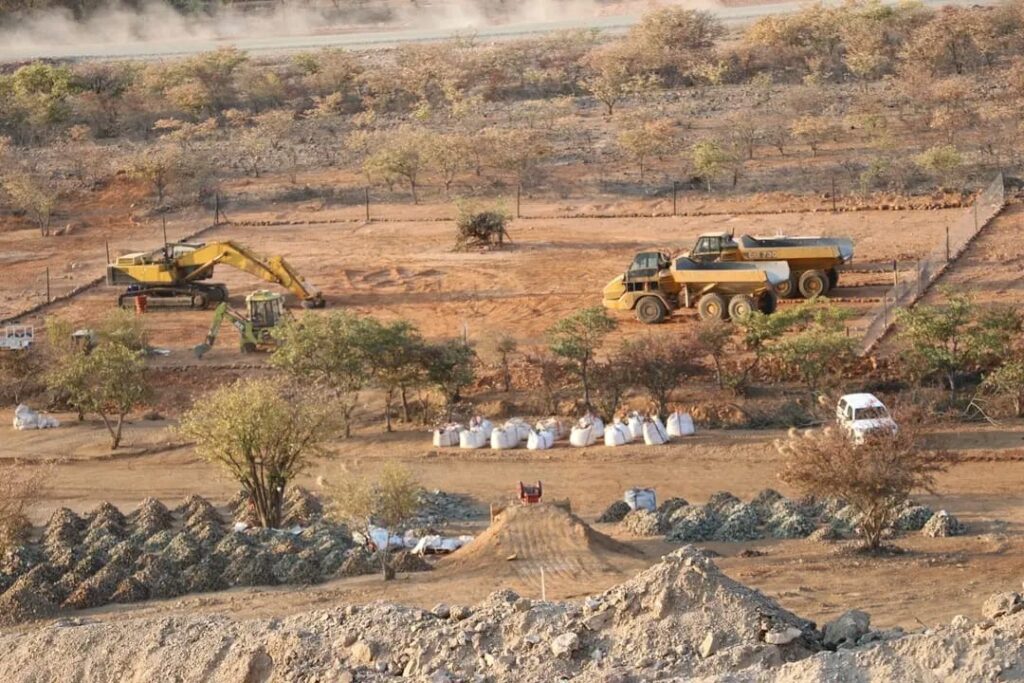
Namibia: Small-Scale Miners Detail Poor Working Conditions
Summary
- Small-scale miners in Namibia's Kunene region have expressed concerns over conflicts with larger mining companies.
- They also reported inadequate working conditions and limited opportunities to benefit from local mineral resources.
- These issues were raised during a three-day oversight mission by the National Assembly standing committee on natural resources.
- The committee's visit aimed to assess the progress and challenges facing small-scale miners in the region.
Miners Raise Urgent Concerns in Kunene
The concerns raised by small-scale miners in Kunene carry significant implications for the entirety of Namibia's mining sector.
Small-scale miners operating within Namibia's Kunene region have voiced significant grievances regarding their operational environment. These concerns, brought to light during a recent parliamentary oversight mission, highlight a complex interplay of challenges faced by this vital segment of the mining sector. The issues span from direct conflicts with larger, established mining companies to fundamental problems with their own working conditions and a perceived lack of equitable access to the mineral wealth extracted from their communities.
Specifically, the miners articulated three primary areas of distress to the visiting National Assembly standing committee on natural resources. First among these were ongoing disputes and clashes with more prominent mining entities, suggesting potential overlaps in claims or operational areas, or perhaps a lack of clear demarcation of rights. Second, the miners detailed what they described as inadequate working conditions, raising questions about safety standards, labor practices, and the overall welfare of those engaged in small-scale extraction. Finally, a significant point of contention was the limited opportunities for these local communities to genuinely benefit from the mineral resources found within their own territories, pointing to a disconnect between resource extraction and local socio-economic development.
The parliamentary committee undertook a three-day oversight mission to the region, commencing on a Tuesday, with the explicit objective of evaluating the progress and identifying the obstacles confronting small-scale miners. This direct engagement underscores a growing recognition at the national level of the challenges inherent in this sector and the need for a comprehensive understanding of the on-the-ground realities faced by these miners.
Regulatory Scrutiny and Community Engagement
The National Assembly natural resources committee Namibia's direct engagement with small-scale miners signals a potential increase in regulatory scrutiny over the sector. The reported Kunene mining conflicts Namibia between small-scale operators and established firms suggest that existing small-scale mining regulations Namibia may either be insufficient, poorly enforced, or require clearer guidelines regarding land use, resource allocation, and dispute resolution mechanisms. The committee's mission provides a platform for these issues to be formally addressed, potentially leading to policy recommendations aimed at fostering a more harmonious and equitable mining landscape.
The complaints about inadequate Namibia small-scale miners working conditions directly challenge the efficacy of current labor laws and safety standards within the sector. Such conditions can pose significant risks to human life and health, and their prevalence suggests a need for stricter oversight and enforcement by relevant government bodies. Furthermore, the limited opportunities for Namibia mining community benefits from local mineral resources highlight a broader issue of corporate social responsibility and the equitable distribution of wealth generated from natural assets. This aspect is crucial for maintaining social license to operate, particularly for larger companies, and for ensuring that resource extraction genuinely contributes to local development rather than exacerbating inequalities.
Broader Implications for Namibia's Mining Sector
The concerns raised by small-scale miners in Kunene carry significant implications for the entirety of Namibia's mining sector. Unresolved Kunene mining conflicts Namibia can destabilize local economies, erode trust between communities and mining companies, and potentially deter future investment by creating an unpredictable operating environment. Addressing these conflicts proactively is essential for sustainable development and maintaining peace within resource-rich regions.
Moreover, the spotlight on Namibia small-scale miners working conditions and the lack of Namibia mining community benefits underscores the necessity for a holistic approach to resource management. It emphasizes that economic growth from mining must be balanced with social equity and environmental stewardship. The National Assembly natural resources committee Namibia's oversight mission could serve as a catalyst for reviewing and strengthening small-scale mining regulations Namibia, ensuring that all stakeholders, particularly local communities and small-scale operators, receive fair treatment and have genuine opportunities to prosper from the nation's mineral wealth. This parliamentary attention suggests a potential shift towards greater accountability and a more inclusive framework for the country's natural resource industries.
Practical Implications
Established mining companies in Namibia, particularly those in the Kunene region, should review their compliance with labor laws and community engagement policies, as increased parliamentary oversight signals potential regulatory changes or enforcement actions regarding small-scale miners' rights and working conditions.
Source
How does this affect you?
Get an AI analysis of this article grounded in your jurisdictions, practice areas, and any policy documents you've uploaded to Wansom.
Wansom is AI and can make mistakes.