
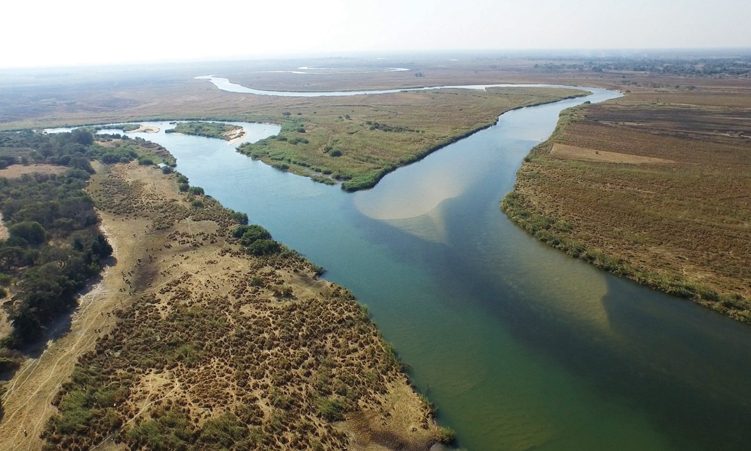
Namibia: NCE Urges Halt to Kavango Water Link Project Namibia
Summary
- The Namibian Chamber of Environment (NCE) has urged the government to abandon the Kavango water link project.
- The project, approved by Cabinet in February 2024, aims to supplement water supplies for Windhoek and central areas of Namibia.
- The NCE warned that the Kavango River is already exploited by unmonitored green schemes and farms.
- A Governor has questioned whether the project will benefit the local community.
- NCE chief executive Dr. Chris Brown has voiced concerns about the river's current state of exploitation.
Project Opposition Emerges
The NCE issued a stern warning regarding the current state of the Kavango River, asserting that the waterway is already under significant strain.
The Namibian Chamber of Environment (NCE) has formally urged the government to abandon its plans for the Kavango water link project, an initiative designed to augment water supplies for Windhoek and other central regions of Namibia. This call to halt the project underscores growing concerns over the environmental sustainability of large-scale water abstraction schemes in the country.
The NCE issued a stern warning regarding the current state of the Kavango River, asserting that the waterway is already under significant strain. The chamber specifically highlighted existing exploitation by unmonitored green schemes and various agricultural farms along its banks, suggesting that further abstraction would exacerbate an already precarious ecological balance. The Kavango water link project Namibia, which was approved by Cabinet in February 2024 and is currently in an advanced design phase with environmental assessments underway, aims to address critical water shortages, but its feasibility is now being challenged on environmental grounds.
Deepening Environmental Concerns
The core of the NCE's opposition to the Kavango water link project stems from its assessment of the river's current capacity. According to the NCE, the Kavango River is not only experiencing exploitation but is doing so without adequate oversight, particularly from agricultural operations. This lack of monitoring raises significant Kavango River exploitation concerns, as the cumulative impact of existing water usage remains largely unquantified.
Dr. Chris Brown, the chief executive of the NCE, has been a vocal proponent of this stance, emphasizing the potential for irreversible damage should the government proceed with additional water abstraction. The chamber's position highlights a broader tension between Namibia's developmental needs, particularly for urban water supply projects like those for Windhoek, and the imperative to protect vital natural resources from over-exploitation.
Community and Governance Questions
Beyond the environmental warnings, the approved Kavango water link project Namibia is also facing scrutiny regarding its socio-economic impact. A regional Governor has publicly questioned whether the project, in its current form, would genuinely benefit the local communities residing near the Kavango River. This query introduces a critical dimension to the debate, moving beyond ecological concerns to encompass issues of equitable resource distribution and local stakeholder engagement.
Such high-level questioning from a Governor signals potential broader Namibia environmental project opposition, indicating that the project's proponents may face challenges in securing full public and political buy-in. The concerns underscore the necessity for comprehensive impact assessments that consider not only environmental factors but also the socio-economic well-being of affected populations, particularly concerning Kavango River water rights Namibia.
Implications for Namibia's Water Future
The NCE's strong stance against the Kavango water link project sets a precedent for future large-scale infrastructure developments in Namibia. It underscores the increasing importance of robust environmental impact assessments and transparent public consultation processes for any project involving significant natural resource abstraction. The opposition highlights the complex challenges faced by the government in balancing the urgent need to secure Windhoek water supply projects with long-term environmental sustainability and community welfare.
This situation signals that future water infrastructure initiatives will likely encounter heightened scrutiny from environmental advocacy groups and local communities. The debate surrounding the Kavango water link project Namibia serves as a critical case study for how environmental concerns, coupled with questions of community benefit and governance, can shape the trajectory of national development projects and influence policy decisions regarding precious resources like the Kavango River.
Practical Implications
This opposition to the Kavango water link project signals potential regulatory hurdles, environmental impact assessment challenges, and public relations risks for any entity involved in large-scale water infrastructure or resource extraction projects in Namibia. Lawyers should advise clients on robust environmental compliance, stakeholder engagement strategies, and potential litigation risks related to water abstraction and environmental permits.
Source
How does this affect you?
Get an AI analysis of this article grounded in your jurisdictions, practice areas, and any policy documents you've uploaded to Wansom.
Wansom is AI and can make mistakes.