
Namibia: President Mandates Public Servant State Health Directive
Summary
- President Netumbo Nandi-Ndaitwah issued a directive in April requiring politicians and senior public servants to use state health facilities.
- This order is part of a national health reform that officially took effect on April 1.
- The directive mandates these officials to utilize designated public healthcare facilities instead of private ones.
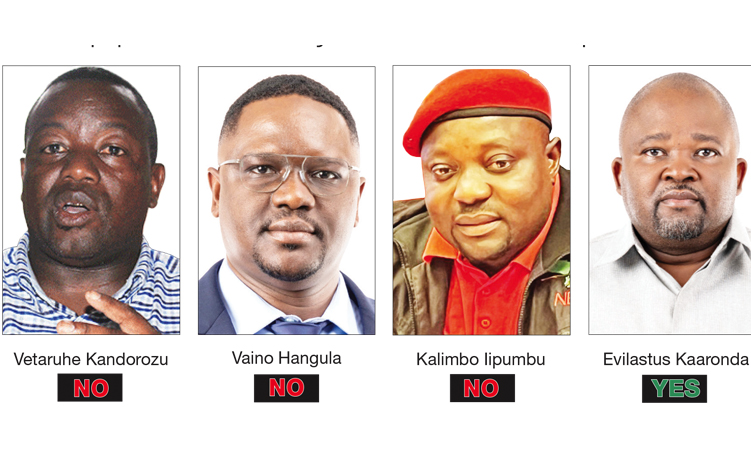
- Several members of parliament have expressed opposition to this new presidential healthcare policy.
Introduction of New Healthcare Policy
Lawyers advising public sector employees or government bodies in Namibia must understand the legal enforceability and practical implications of this new presidential directive, especially given the parliamentary opposition, which could lead to legal challenges or policy adjustments affecting client compliance and benefits.
In a significant move impacting the nation's public sector, a new presidential directive has mandated that politicians and senior public servants in Namibia must now utilize state health facilities. This pivotal instruction, issued by President Netumbo Nandi-Ndaitwah in April, marks a notable shift in the healthcare provisions for high-ranking government personnel. The directive explicitly requires these officials to forgo private medical services in favor of designated public healthcare institutions, aligning their medical care with the broader public system.
This mandate forms an integral component of a wider national health reform initiative in Namibia. The comprehensive reform officially commenced on April 1, setting the stage for a re-evaluation of healthcare access and provision across various sectors. The President's subsequent order in April underscores the government's commitment to this overarching transformation, aiming to standardize healthcare experiences for a crucial segment of the workforce.
The implementation of this Namibia public servant state health directive represents a direct challenge to previous norms where public officials often had the option to access private medical care. By directing them towards state-run facilities, the policy aims to foster greater integration within the national healthcare system and potentially enhance the quality and utilization of public services. This Netumbo Nandi-Ndaitwah health order is poised to reshape the landscape of public sector benefits and responsibilities.
Policy Framework and Compliance
The national health reform, which officially came into effect on April 1, establishes a new framework for healthcare provision within Namibia. This reform specifically stipulates that senior public servants are now required to access designated public healthcare facilities. This requirement replaces the previous arrangement where these officials could opt for private medical services, thereby redirecting a significant portion of the public sector's healthcare engagement towards state-operated institutions.
This Namibia public officials healthcare policy introduces a new layer of compliance for government employees holding senior positions. The directive from President Nandi-Ndaitwah, issued shortly after the reform's effective date, reinforces the mandatory nature of this shift. It means that adherence to the new guidelines for healthcare utilization becomes a condition for these officials, impacting their personal medical choices and potentially their benefits structure.
The emphasis on compliance public sector health Namibia is clear: the directive aims to ensure that those in leadership roles are directly engaged with the public health system. This strategic move could have far-reaching implications for the perception and actual functioning of state health services, as senior officials' experiences might directly influence future policy adjustments and resource allocation within the national health reform Namibia.
Parliamentary Opposition and Future Outlook
Despite the clear mandate from the presidency, the new directive has not been met with universal approval. Several members of parliament have voiced their opposition to the presidential order, indicating potential political friction surrounding its implementation. This parliamentary opposition state health Namibia highlights a divergence of views within the legislative body regarding the appropriateness or practicality of compelling senior public servants and politicians to use state facilities.
The objections raised by these parliamentarians could introduce complexities into the smooth rollout and long-term acceptance of the Namibia public servant state health directive. Such internal political resistance often signals the potential for ongoing debate, and possibly even challenges, to the policy's enforceability or its specific provisions. The existence of this opposition is a critical factor for legal professionals advising government bodies or public sector employees, as it suggests the policy landscape may not be entirely settled.
Lawyers advising public sector employees or government bodies in Namibia must understand the legal enforceability and practical implications of this new presidential directive, especially given the parliamentary opposition, which could lead to legal challenges or policy adjustments affecting client compliance and benefits. The ongoing dialogue and potential for policy adjustments underscore the dynamic nature of this national health reform Namibia, making careful monitoring essential for all stakeholders.
Practical Implications
Lawyers advising public sector employees or government bodies in Namibia must understand the legal enforceability and practical implications of this new presidential directive, especially given the parliamentary opposition, which could lead to legal challenges or policy adjustments affecting client compliance and benefits.
Source
How does this affect you?
Get an AI analysis of this article grounded in your jurisdictions, practice areas, and any policy documents you've uploaded to Wansom.
Finish Reading the Full Story and the Expert Analysis.
Get the latest legal & regulatory intelligence in Namibia
Wansom is AI and can make mistakes.