
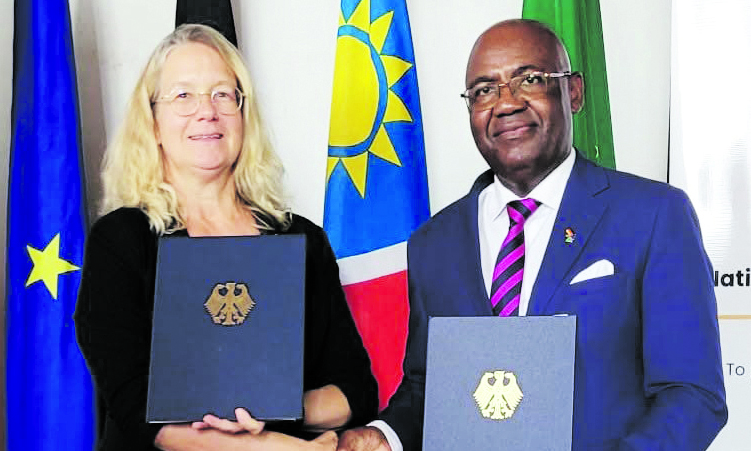
Namibia, Germany: Formalize Green Partnership Agreement for Development
Summary
- Namibia and Germany have agreed to refocus their development partnership on key green initiatives.
- The agreement, made at a meeting in Opuwo last week, emphasizes climate-resilient water security and biodiversity conservation.
- Future collaboration will also prioritize green energy development and skills enhancement in Namibia.
- This deepened partnership signals a strategic alignment towards sustainable growth and environmental protection.
- The Namibia Germany green partnership agreement aims to build long-term resilience and foster green economic opportunities.
Renewed Focus for Development Partnership
The core of this renewed Namibia Germany development partnership will center on four key thematic pillars.
Namibia and Germany have recently affirmed a strategic reorientation of their long-standing development partnership, agreeing to concentrate future collaborative efforts on several critical environmental and economic sectors. This significant commitment was formalized during a high-level meeting between representatives of the two governments, which took place last week in Opuwo. The discussions culminated in a mutual understanding to deepen their engagement, particularly within areas vital for sustainable growth and climate resilience.
The core of this renewed Namibia Germany development partnership will center on four key thematic pillars. These include ensuring climate-resilient access to safe water, fostering the conservation of Namibia’s rich biodiversity, advancing green energy initiatives, and enhancing skills development across these crucial sectors. The agreement reached at Opuwo underscores a shared vision for a sustainable future, leveraging German expertise and resources to support Namibia's national development objectives.
This Opuwo Namibia Germany agreement signifies a deliberate move towards a more targeted and impactful collaboration. By focusing on these specific areas, both nations aim to address pressing challenges while simultaneously unlocking new opportunities for green economic growth. The emphasis on resilience and sustainability reflects a forward-looking approach to development aid, aligning with global efforts to combat climate change and promote environmental stewardship.
Pillars of Future Collaboration
Central to the newly defined partnership is the commitment to climate-resilient water security in Namibia. This focus acknowledges the increasing pressures on water resources due to climate change and aims to implement strategies that ensure sustainable and safe water access for communities across the nation. Such initiatives are crucial for public health, agricultural productivity, and overall economic stability, providing a robust framework for adapting to environmental shifts.
Another vital component of the Namibia Germany green partnership agreement is the dedicated effort towards biodiversity conservation in Namibia. Recognizing the country's unique natural heritage, this aspect of the collaboration seeks to protect and restore ecosystems, safeguard endangered species, and promote sustainable land management practices. This commitment reflects a shared understanding of the intrinsic value of biodiversity and its role in maintaining ecological balance and supporting livelihoods.
Furthermore, the agreement highlights the importance of green energy and skills development. The focus on green energy aims to support Namibia's transition to a low-carbon economy, potentially through investments in renewable energy sources and associated infrastructure. Concurrently, the Namibia green energy skills collaboration will be instrumental in building local capacity, ensuring that the Namibian workforce is equipped with the necessary expertise to drive and sustain these green initiatives, thereby fostering long-term economic empowerment and technological advancement.
Strategic Vision and Impact
The deepened Namibia Germany green partnership agreement represents a significant step forward in international cooperation for sustainable development. By concentrating on climate-resilient water security, biodiversity conservation, green energy, and skills, the two nations are setting a precedent for comprehensive and integrated development strategies. This targeted approach is designed to yield tangible benefits, addressing immediate needs while building long-term resilience against future environmental and economic challenges.
This strategic alignment underscores a mutual recognition of the interconnectedness between environmental protection, economic development, and social well-being. The Opuwo Namibia Germany agreement is poised to influence future policy directions and investment priorities within Namibia, particularly in sectors critical for its green transition. The collaborative framework established last week is expected to facilitate the exchange of knowledge, technology, and best practices, fostering innovation and sustainable growth across the identified focus areas.
Practical Implications
This agreement signals future policy and investment priorities in Namibia's green energy, water security, and biodiversity sectors, indicating potential for new project finance, regulatory, and environmental law opportunities. Lawyers should monitor upcoming tenders, legislative developments, and funding initiatives stemming from this deepened partnership.
Source
How does this affect you?
Get an AI analysis of this article grounded in your jurisdictions, practice areas, and any policy documents you've uploaded to Wansom.
Finish Reading the Full Story and the Expert Analysis.
Get the latest legal & regulatory intelligence in Namibia
Wansom is AI and can make mistakes.