
Namibia Ministry: Foreign Artist Work Permit Required Pre-Entry
Summary
- Namibia's Ministry of Home Affairs, Immigration, Safety and Security requires all foreign artists to obtain employment authorization before entering the country to perform, even for short engagements.
- This mandate is based on Section 27 of the Immigration Control Act of 1993, which applies to all foreign nationals working in Namibia.
- Recent incidents involving artists like Kamo Mphela and Elton Mulenga (Yo Maps) highlight the consequences of non-compliance, including denied entry and detention.
- Both artists and event organizers are responsible for understanding and securing the necessary permits well in advance of any scheduled performance.
- The application process for a Namibia foreign artist work permit is considered straightforward and is consistent with procedures for other temporary foreign workers.
Namibia Reinforces Pre-Travel Permit Mandate for Foreign Artists
Both artists and event organizers bear a crucial responsibility to familiarize themselves with the applicable legal requirements long before any scheduled performance.
Namibia's Ministry of Home Affairs, Immigration, Safety and Security has issued a clear directive: all international musicians and performers must secure the necessary employment authorization *before* entering the country for work. This requirement applies universally, even when engagements are brief, such as a single event or a few days. The Ministry's clarification comes in response to multiple instances where foreign artists have either been prevented from performing or have faced immigration enforcement actions due to permit-related issues.
Ministry spokesperson Margaret Kalo underscored that this mandate extends to international musicians, dancers, and other performing artists planning events in Namibia, necessitating relevant employment authorization prior to their travel. For engagements of a temporary nature, a specific short-term employment permit is required. This stance follows recent high-profile cases, including that of South African amapiano artist Kamo Mphela, who was unable to perform at the MTC Kasi Vibe festival in Windhoek due to visa complications. Mphela reportedly informed the audience that she could not perform and faced the risk of removal from the country, with sources indicating she lacked a work permit and was only permitted to make an appearance. Kalo had previously confirmed that foreign artists must adhere to Namibia's immigration requirements before any performance.
Legal Framework and Enforcement Precedents
The Ministry's directive is firmly rooted in Section 27 of Namibia's Immigration Control Act of 1993. This legislation mandates that all foreign nationals intending to work, conduct business, or practice a profession within Namibia must obtain the appropriate visa authorization. Kalo emphasized that this legal requirement is industry-agnostic and applies irrespective of the engagement's duration, ensuring that the entertainment sector is not exempt from standard immigration protocols. The application process, according to the Ministry, is straightforward, with artists undergoing the same procedures as any other foreign national seeking temporary employment; there is no distinct or more burdensome process for the entertainment industry.
The Kamo Mphela incident was not an isolated event. It followed the 2024 detention of Zambian musician Elton Mulenga, known as Yo Maps, who was held over an employment permit violation after performing at a Windhoek event. While the Ministry does not maintain separate statistics specifically for performing artists entering without permits, Kalo acknowledged that instances of immigration enforcement involving international artists have been publicly reported over the years. However, she cautioned against interpreting these publicized cases as a definitive indicator of overall compliance within the broader entertainment industry.
Shared Responsibility and Application Process
Non-compliance with Namibia's immigration requirements typically stems from either a lack of awareness regarding the regulations or a failure by artists and event organizers to secure the necessary permits well in advance of travel. Consequently, both artists and event organizers bear a crucial responsibility to familiarize themselves with the applicable legal requirements long before any scheduled performance. The Ministry provides comprehensive information on application requirements, supporting documents, and associated fees via its official website and e-services portal.
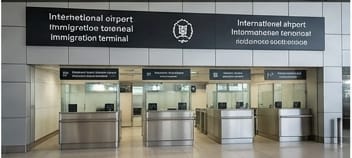
Event organizers, in particular, are tasked with ensuring that artists and their accompanying personnel—including dancers, musicians, and technicians—fully understand these requirements and allocate sufficient time for permit applications. Despite this, every foreign national ultimately holds personal responsibility for adhering to the immigration laws of any country they intend to visit. Should an artist declare their intention to perform at a Namibian port of entry without possessing the required short-term employment permit, entry will be denied until all necessary requirements are fulfilled.
Practical Implications
Lawyers advising international artists, talent agencies, or event organizers in Namibia must ensure strict compliance with pre-travel employment authorization requirements, even for short engagements. Non-compliance risks denied entry, detention, and significant disruption, placing a clear responsibility on both the artist and the organizer to secure permits well in advance.
Source
How does this affect you?
Get an AI analysis of this article grounded in your jurisdictions, practice areas, and any policy documents you've uploaded to Wansom.
Wansom is AI and can make mistakes.