
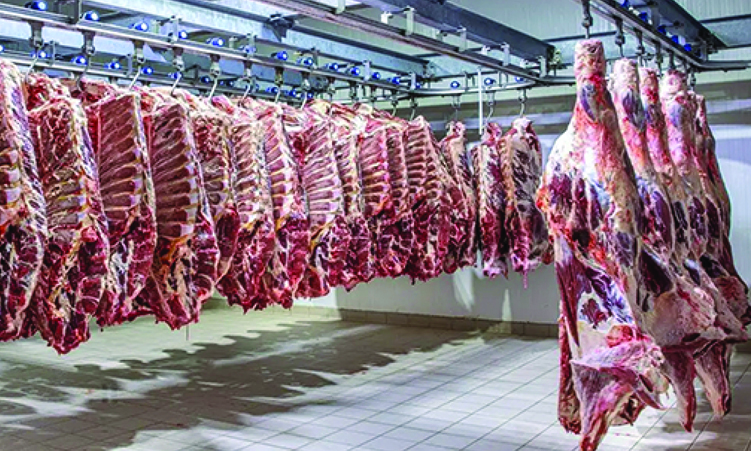
Namibia: FMD Meat Human Consumption Safety Confirmed by Experts
Summary
- Experts confirm that meat from animals infected with foot-and-mouth disease is safe for human consumption.
- Namibia is experiencing an FMD outbreak, which was first confirmed last month in the ||Kharas region.
- The disease has now spread to 15 farms, leading to restrictions on livestock movement and slaughtering.
- These control measures also include the suspension of certain activities to manage the outbreak.
Foot-and-Mouth Disease Outbreak in Namibia
Scientific and veterinary authorities have affirmed that consuming meat from animals infected with FMD does not pose any health risks to people.
Namibia is currently grappling with a significant outbreak of foot-and-mouth disease (FMD), a highly contagious viral illness affecting cloven-hoofed animals. The presence of the disease was officially confirmed last month, originating in the ||Kharas region. Since its initial detection, the outbreak has rapidly escalated, now affecting a total of 15 farms across the country. This widespread infection has prompted immediate and stringent measures from authorities to contain its further spread and manage its impact on the nation's vital agricultural sector.
The confirmed FMD outbreak has led to a series of critical restrictions designed to control the disease's transmission. These measures specifically include limitations on the movement of livestock, aiming to prevent infected animals from spreading the virus to unaffected areas. Furthermore, restrictions have been imposed on slaughtering activities, which directly impacts the supply chain for meat products. Despite these significant disruptions, experts have provided crucial assurances regarding the safety of meat derived from FMD-infected animals, confirming it poses no health risk for human consumption. This distinction is vital for understanding the multifaceted challenges presented by the current situation.
Safety for Human Consumption Confirmed
A key aspect of the current foot-and-mouth disease Namibia outbreak, and one that offers a degree of reassurance amidst the challenges, is the consensus among experts regarding the safety of affected meat for human consumption. Scientific and veterinary authorities have affirmed that consuming meat from animals infected with FMD does not pose any health risks to people. This expert opinion underscores that while the disease is highly detrimental to livestock health and agricultural economies, it is not a zoonotic threat in terms of food safety.
This established understanding of Namibia FMD meat human consumption safety is critical for both public perception and the meat industry. It helps to differentiate between animal health concerns and human health risks, preventing unnecessary panic or avoidance of meat products. However, it does not negate the necessity for strict adherence to veterinary protocols and disease control measures, which are primarily aimed at protecting animal populations and facilitating trade, rather than safeguarding human consumers from the meat itself.
Regulatory and Economic Impact
The ongoing foot-and-mouth disease Namibia outbreak has necessitated significant regulatory interventions, particularly concerning livestock movement restrictions Namibia. These controls are a standard response to FMD outbreaks, designed to create containment zones and prevent the geographical expansion of the virus. The imposition of these restrictions directly affects farmers, transporters, and abattoirs, creating logistical hurdles and potential economic losses across the agricultural value chain. The suspension of certain activities, though not fully detailed in available reports, further compounds these operational challenges.
For agricultural businesses, navigating these FMD disease control measures, especially in regions like ||Kharas, requires meticulous compliance with veterinary directives. Even with the assurance of Namibia FMD meat human consumption safety, the restrictions on slaughtering and movement can severely disrupt supply lines, impact market access, and potentially lead to contractual complications. Legal professionals advising clients in the Namibian agricultural sector must therefore be acutely aware of these evolving regulations and their implications for business continuity and compliance.
Practical Implications
Lawyers advising agricultural clients in Namibia should be aware of the ongoing FMD outbreak and the associated restrictions on livestock movement and slaughtering, which may impact supply chains and contractual obligations. While FMD-infected meat is deemed safe for human consumption, compliance with veterinary regulations and trade restrictions remains critical for businesses.
Source
How does this affect you?
Get an AI analysis of this article grounded in your jurisdictions, practice areas, and any policy documents you've uploaded to Wansom.
Finish Reading the Full Story and the Expert Analysis.
Get the latest legal & regulatory intelligence in Namibia
Wansom is AI and can make mistakes.