
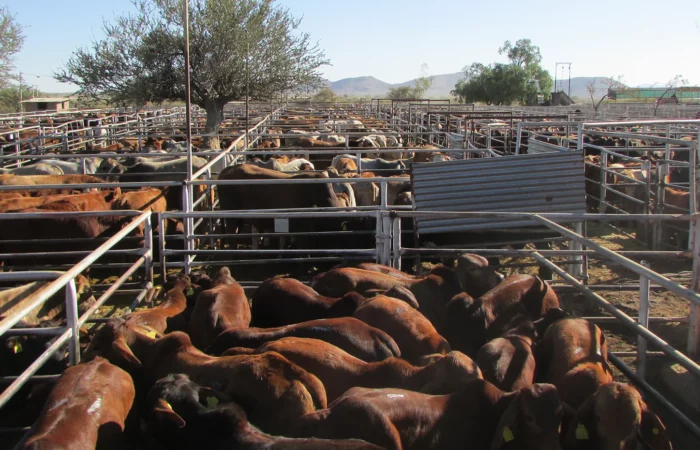
Namibia FMD Livestock Auction Halt: Nationwide Sales Suspended After Outbreak
Summary
- Namibia's livestock auction industry has ceased operations following the confirmation of foot-and-mouth disease (FMD).
- Auctioneers are canceling sales nationwide due to the FMD outbreak.
- Acting Minister Charles Mubita announced the disease's detection to the National Assembly on Wednesday.
- FMD was identified on a commercial farm during routine surveillance.
- The halt in livestock sales has significant implications for Namibia's agricultural sector and related industries.
What Happened
For businesses operating within or connected to Namibia's agricultural, logistics, and finance sectors, the confirmed FMD outbreak and subsequent halt of auctions trigger critical legal considerations.
The livestock auction sector across Namibia has experienced an abrupt cessation of activities following the official confirmation of a foot-and-mouth disease (FMD) outbreak within the country. This significant development has prompted auctioneers nationwide to swiftly cancel scheduled sales, effectively bringing the industry to a standstill. The widespread halt in Namibia's FMD-affected livestock trade underscores the immediate and severe repercussions of such an animal health crisis.
The critical announcement regarding the presence of foot-and-mouth disease in Namibia was delivered to the National Assembly on a recent Wednesday by Charles Mubita, who is currently serving as the Minister in the Presidency. Minister Mubita informed lawmakers that the highly contagious disease was identified during routine animal health surveillance procedures. The detection occurred at a commercial farm, signaling a direct threat to the nation's animal populations and agricultural economy.
Industry Response and Regulatory Framework
In the wake of Minister Mubita's FMD announcement, the immediate response from the industry has been a comprehensive livestock sales suspension across Namibia. This proactive measure, driven by the confirmed outbreak, aims to contain the spread of the virulent disease and protect the broader animal population. The rapid cancellation of auctions highlights the stringent Namibia animal health regulations that govern such situations, mandating swift action to prevent further transmission.
The decision to halt all livestock auctions is a direct consequence of the FMD confirmation, reflecting the serious implications for animal welfare and trade. This suspension is not merely a commercial decision but a regulatory imperative, designed to uphold public health standards and safeguard the integrity of Namibia's agricultural exports. The industry's compliance with these directives is crucial for managing the crisis effectively and mitigating long-term damage to the sector.
Economic and Contractual Ramifications
The Namibia agricultural sector FMD impact is expected to be substantial, extending beyond the immediate disruption of sales. The cessation of livestock auctions can lead to significant financial losses for farmers, traders, and associated businesses, potentially affecting supply chains and market stability. This situation necessitates a careful evaluation of existing commercial agreements, particularly those involving the movement and sale of livestock.
For businesses operating within or connected to Namibia's agricultural, logistics, and finance sectors, the confirmed FMD outbreak and subsequent halt of auctions trigger critical legal considerations. Contracts related to livestock procurement, transportation, and financing may now face challenges due to unforeseen circumstances. The widespread nature of the livestock sales suspension Namibia presents a complex scenario for contractual performance and dispute resolution.
Legal Review and Risk Mitigation
Given the current climate, legal professionals advising clients in Namibia must proactively review existing contracts for clauses pertaining to force majeure livestock contracts Namibia. Such clauses, which address unforeseeable events preventing contractual obligations, will be paramount in navigating potential disputes arising from the FMD-induced disruptions. Lawyers should guide clients through a comprehensive assessment of their contractual liabilities and rights in light of the national emergency.
The implications of the FMD outbreak extend to compliance with Namibia animal health regulations, which will likely see heightened enforcement and scrutiny. Clients in the agricultural supply chain need to understand their obligations and potential liabilities, especially concerning animal movement and biosecurity measures. Proactive communication with clients regarding risk mitigation strategies, potential financial losses, and the legal avenues available is essential to manage the fallout from this significant event.
Practical Implications
Lawyers advising clients in Namibia's agricultural, logistics, or finance sectors must immediately review existing contracts for force majeure clauses and compliance with animal health regulations, anticipating potential disputes arising from supply chain disruptions or financial losses due to the halted livestock auctions. This situation necessitates proactive client communication regarding contractual obligations and risk mitigation strategies.
Source
How does this affect you?
Get an AI analysis of this article grounded in your jurisdictions, practice areas, and any policy documents you've uploaded to Wansom.
Finish Reading the Full Story and the Expert Analysis.
Get the latest legal & regulatory intelligence in Namibia
Wansom is AI and can make mistakes.