
EU: Namibia FMD Beef Imports Suspended Over Outbreak
Summary
- European businesses are now seeking alternative beef suppliers following a temporary import suspension from Namibia.
- The suspension was enacted due to a confirmed foot-and-mouth disease (FMD) outbreak in Namibia.
- The FMD outbreak was first identified last month in Namibia's ||Kharas region.
- The disease has since spread to affect eleven farms within the country.
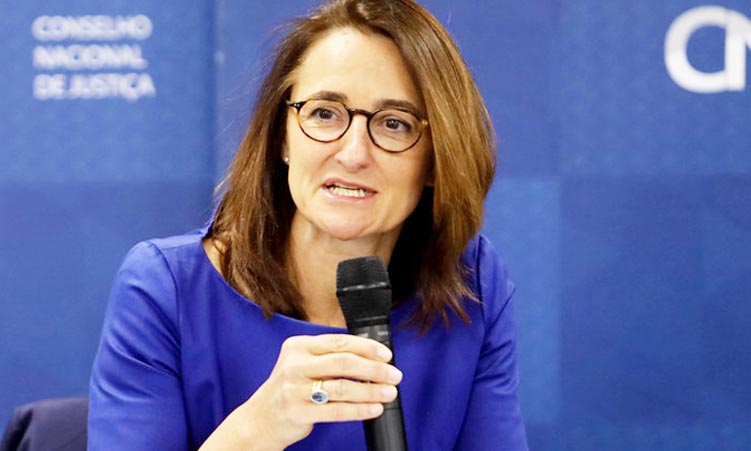
- Ana-Beatriz Martins is the European Union's ambassador to Namibia.
Namibian Beef Imports Halted Amid FMD Outbreak
The temporary suspension of certain Namibian meat imports by the European Union, prompted by a recent foot-and-mouth disease outbreak, has led European businesses to seek alternative beef suppliers to meet consumer demand.
European Union (EU) businesses are actively seeking new sources for beef, a direct consequence of a temporary suspension placed on certain meat imports from Namibia. This significant disruption to agricultural trade stems from a confirmed outbreak of foot-and-mouth disease (FMD) within the southern African nation.
The FMD outbreak was officially acknowledged by Namibia last month, originating in the ||Kharas region. Since its initial confirmation, the highly contagious disease has unfortunately spread, now affecting a total of eleven farms. This rapid spread has prompted the stringent measures from the EU, impacting the flow of Namibian beef products into the European market and forcing buyers to adjust their supply chains to meet ongoing demand.
Economic Repercussions and Trade Adjustments
The imposition of these Namibian meat export restrictions by the EU carries substantial economic implications for both sides of the trade relationship. For European importers, the immediate challenge lies in securing alternative suppliers to ensure continuity of product availability for consumers. This sudden shift can lead to increased procurement costs and logistical complexities as new relationships are forged and supply routes established.
Conversely, for Namibia, a nation that relies on its agricultural exports, the temporary halt in beef shipments to a key market like the EU represents a significant blow. Such suspensions can result in lost revenue for producers and exporters, potentially affecting livelihoods within the agricultural sector. The incident underscores the delicate balance in agricultural trade law Namibia and the vulnerability of export-oriented economies to animal health crises like the foot-and-mouth disease Namibia EU situation.
Regulatory Framework and Diplomatic Oversight
The European Union maintains rigorous animal health and food safety standards for all imported products, and the presence of foot-and-mouth disease triggers immediate protective measures to safeguard its livestock and food supply. The temporary suspension of imports is a standard regulatory response to such outbreaks, designed to prevent the introduction and spread of the disease within EU member states.
Monitoring the situation and facilitating communication between the EU and Namibia is the role of diplomatic representatives. Ana-Beatriz Martins serves as the EU ambassador to Namibia, highlighting the ongoing diplomatic engagement between the two entities, even amidst challenging trade circumstances. Her presence signifies the broader relationship and the channels through which discussions regarding the FMD outbreak and future trade resumption would likely be conducted.
Practical Implications
Lawyers advising Namibian agricultural exporters or EU importers should assess contractual obligations and potential force majeure clauses related to the FMD-induced import suspension. Compliance officers must monitor evolving EU import regulations and trade restrictions impacting Namibian beef products.
Source
How does this affect you?
Get an AI analysis of this article grounded in your jurisdictions, practice areas, and any policy documents you've uploaded to Wansom.
Finish Reading the Full Story and the Expert Analysis.
Get the latest legal & regulatory intelligence in Namibia
Wansom is AI and can make mistakes.