
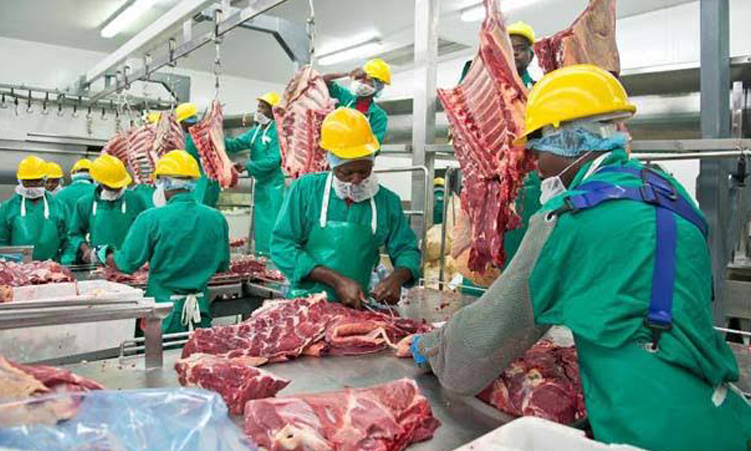
Namibia FMD EU Beef Export Risk: N$3.3bn Market Jeopardized
Summary
- A recent foot-and-mouth disease (FMD) outbreak has compromised Namibia's disease-free status.
- Meatco is seeking clarity on beef shipments already sent to Europe.
- Namibia faces a potential N$3.3-billion loss from its European beef market.
- The FMD outbreak could lead to a complete suspension of beef exports to all international markets.
- A Simonis Storm report suggests Namibia's economic growth could decline due to the outbreak.
Immediate Fallout from Disease Outbreak
The potential loss of the N$3.3-billion European beef market, coupled with the risk of a complete suspension of beef exports to international markets, highlights the fragility of trade relationships dependent on disease-free status.
A recent outbreak of foot-and-mouth disease (FMD) has significantly jeopardized Namibia's long-standing disease-free status, creating immediate concerns for its vital beef export industry. The emergence of the disease last week has cast a shadow over the country's ability to maintain its stringent health protocols, which are essential for international trade. This development has prompted urgent attention from key industry players, including Meatco, the national meat processor.
Meatco is currently seeking crucial clarification regarding consignments of beef that have already been dispatched to European markets. The uncertainty surrounding these shipments highlights the rapid and far-reaching implications of the FMD outbreak. The primary concern is that the compromised disease-free status could trigger a comprehensive halt to all beef exports, not just to Europe, but across all international destinations.
Significant Economic Exposure
The financial implications of this FMD outbreak are substantial, with Namibia facing the potential loss of its lucrative N$3.3-billion European beef market. This figure underscores the critical economic contribution of beef exports to the nation's economy and the severe blow that a market closure would represent. The European Union (EU) market, known for its strict import requirements, is a premium destination for Namibian beef, making its potential loss particularly impactful.
Beyond the direct revenue from beef sales, the broader economic landscape of Namibia is also at risk. A report from Simonis Storm indicates that the country's overall economic growth could experience a decline as a direct consequence of the FMD situation. This suggests that the ripple effects of the export suspension would extend beyond the agricultural sector, impacting various facets of the national economy. The potential for a complete suspension of beef exports to international markets further amplifies this economic vulnerability.
Regulatory and Trade Hurdles
The core issue stemming from the FMD outbreak is the immediate compromise of Namibia's internationally recognized disease-free status. This designation is a cornerstone of its eligibility to export beef to high-value markets, particularly the European Union, which maintains rigorous animal health standards. An FMD incident directly challenges this status, triggering established protocols for trade restrictions designed to prevent the spread of the disease globally.
Such an event typically leads to a re-evaluation by importing nations and international bodies, potentially resulting in the imposition of temporary or even long-term bans on affected products. For Namibia, this means that the hard-won access to markets like the EU, which demands strict adherence to veterinary health certificates and disease surveillance, is now under severe threat. The risk extends to a complete suspension of beef exports to international markets, indicating a widespread regulatory response to the FMD presence.
Broader Implications for Namibia's Economy
The current situation represents a significant challenge for Namibia's agricultural sector and its broader economic stability. The potential loss of the N$3.3-billion European beef market, coupled with the risk of a complete suspension of beef exports to international markets, highlights the fragility of trade relationships dependent on disease-free status. Regaining this status, once compromised, often involves extensive eradication efforts, surveillance, and a period of observation, which can take considerable time and resources.
This Namibia FMD EU beef export risk underscores the critical importance of robust biosecurity measures and rapid response mechanisms for agricultural economies. The economic projections from the Simonis Storm report, indicating a potential drop in Namibia's economic growth, further emphasize the far-reaching consequences of this animal health crisis. The incident serves as a stark reminder of how localized disease outbreaks can have profound global trade and economic repercussions for nations heavily reliant on agricultural exports.
Practical Implications
Lawyers advising Namibian agricultural exporters or involved in international trade compliance should monitor the official suspension status and assess potential contractual breaches or force majeure clauses related to beef exports to the EU, given the FMD outbreak.
Source
How does this affect you?
Get an AI analysis of this article grounded in your jurisdictions, practice areas, and any policy documents you've uploaded to Wansom.
Finish Reading the Full Story and the Expert Analysis.
Get the latest legal & regulatory intelligence in Namibia
Wansom is AI and can make mistakes.