
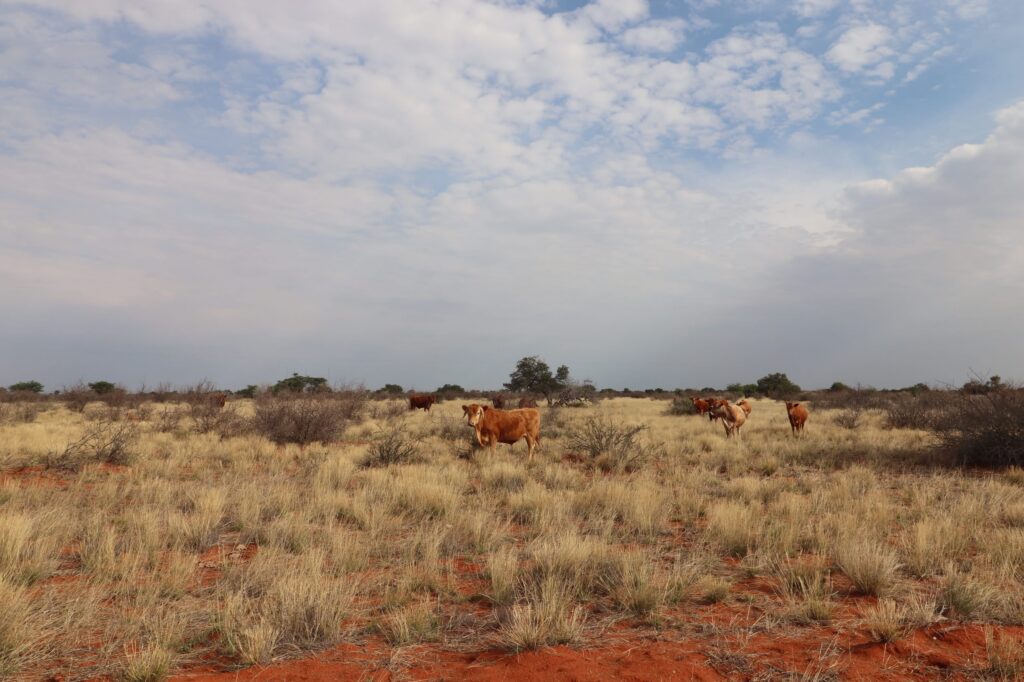
Namibia: FMD Cattle Vaccination Policy Now Sole Strategy, Culling Banned
Summary
- Namibia's government has officially ended the practice of culling cattle affected by foot-and-mouth disease (FMD).
- Agriculture Minister Inge Zaamwani confirmed to the National Assembly that vaccination is now the only viable option for FMD management.
- This policy shift occurred because the effective window for culling had expired.
- Cabinet had previously considered both culling and vaccination during a meeting on Sunday to determine the FMD response.
- The new FMD vaccination strategy represents a definitive change in Namibia's agricultural policy.
A Definitive Shift in Disease Management
Namibia has officially abandoned the practice of culling cattle afflicted with foot-and-mouth disease (FMD), marking a significant pivot in the nation's animal health strategy.
Namibia has officially abandoned the practice of culling cattle afflicted with foot-and-mouth disease (FMD), marking a significant pivot in the nation's animal health strategy. This crucial update was delivered by Agriculture Minister Inge Zaamwani, who confirmed to the National Assembly on Wednesday that vaccination now stands as the singular viable method for managing outbreaks. The minister's declaration underscores a comprehensive change in the Namibia FMD cattle vaccination policy, moving away from lethal measures in favor of preventative and therapeutic immunisation.
This new approach is not merely a preference but a necessity, as the period during which culling could have been effectively implemented has elapsed. Consequently, the government's focus has entirely shifted to an FMD vaccination strategy Namibia-wide, establishing it as the cornerstone of future disease control efforts. This Inge Zaamwani FMD statement signals a clear direction for the country's livestock sector, emphasizing proactive health management over reactive eradication through culling.
Cabinet's Deliberations and Policy Evolution
The decision to implement a Namibia livestock culling ban and pivot exclusively to vaccination was the culmination of high-level governmental discussions. Minister Zaamwani informed the National Assembly that the Cabinet had convened a critical meeting on the preceding Sunday to thoroughly assess potential responses to the FMD challenge. During these deliberations, both the option of culling affected animals and the alternative of widespread vaccination were on the table for consideration.
The objective of this Cabinet session was to formulate a definitive strategy for addressing the ongoing foot-and-mouth disease situation. Ultimately, the outcome of these discussions, coupled with the expiration of the culling window, led to the formal adoption of the vaccination-only policy. This strategic evolution highlights a responsive approach by the Namibian government to the complexities of animal disease management, reflecting a considered shift in Namibia agricultural policy changes. The comprehensive review by Cabinet ensured that the chosen path, the Namibia foot-and-mouth disease policy centered on vaccination, was deemed the most appropriate and feasible given the prevailing circumstances.
The New Mandate for Livestock Farmers
With the formal announcement of the Namibia FMD cattle vaccination policy, livestock farmers across the nation are now operating under a new, clear mandate regarding disease control. The explicit declaration by Minister Zaamwani that culling is no longer an option means that all efforts must be channeled into vaccination programs. This FMD vaccination strategy Namibia is not merely a recommendation but has become the official and sole viable method for managing outbreaks.
The expiration of the culling window serves as the practical justification for this definitive shift, leaving no alternative but to embrace immunisation as the primary defense. This change implies a significant adjustment in operational protocols for anyone involved in the livestock industry, from individual farmers to larger agricultural enterprises. Compliance with this revised Namibia foot-and-mouth disease policy will be paramount, as the government's stance is unequivocal: vaccination is the way forward. This policy evolution represents a fundamental change in the regulatory landscape for animal health, demanding adherence to the new FMD vaccination strategy Namibia has adopted.
Broader Implications for Namibia's Agricultural Sector
The Inge Zaamwani FMD statement to the National Assembly on Wednesday signifies more than just a procedural change; it marks a pivotal moment for Namibia's agricultural sector and its long-term approach to animal health. By definitively ruling out culling, the government has committed to a strategy that prioritizes the preservation of livestock populations while simultaneously combating disease. This Namibia livestock culling ban, driven by the practical expiry of the culling window, reshapes expectations for disease management and resource allocation within the Ministry of Agriculture and among farmers.
The adoption of an exclusive FMD vaccination strategy Namibia-wide reflects a broader trend towards sustainable and humane animal health practices, even if necessitated by circumstance. This comprehensive Namibia foot-and-mouth disease policy will likely influence future investments in veterinary services, vaccine procurement, and farmer education, ensuring that the country is better equipped to handle FMD outbreaks without resorting to mass culling. The shift underscores a strategic recalibration in Namibia agricultural policy changes, aiming for resilience and stability in its vital livestock industry.
Practical Implications
This policy shift directly impacts legal and compliance obligations for Namibian livestock farmers and agricultural businesses regarding disease management and biosecurity. Lawyers should advise clients on the new FMD vaccination-only strategy, its implications for livestock movement, trade, and potential liabilities under revised animal health regulations.
Source
How does this affect you?
Get an AI analysis of this article grounded in your jurisdictions, practice areas, and any policy documents you've uploaded to Wansom.
Finish Reading the Full Story and the Expert Analysis.
Get the latest legal & regulatory intelligence in Namibia
Wansom is AI and can make mistakes.