
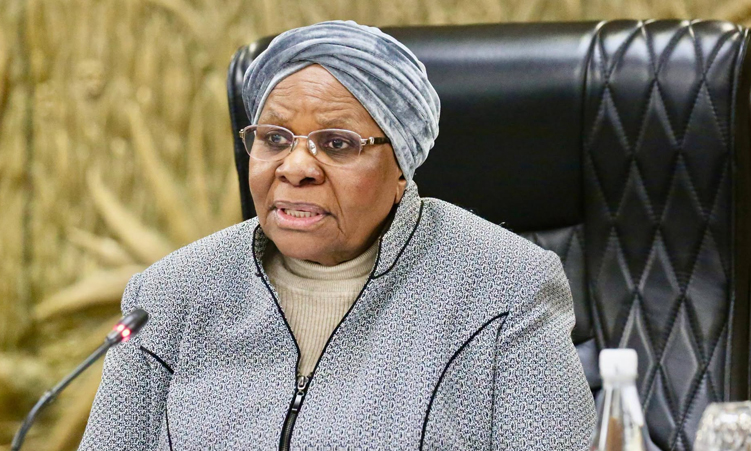
Namibia: Fast-Track Protection Order Abuse Feared After 24-Hour Mandate
Summary
- President Netumbo Nandi-Ndaitwah has directed that protection orders for gender-based violence victims in Namibia must be served within 24 hours.
- This directive was issued on Saturday during the National Prayer Day.
- Legal experts and GBV specialists warn that this fast-track process requires safeguards to prevent potential abuse.
- Concerns exist that the expedited 24-hour timeframe could lead to procedural risks if not properly managed.
What Happened
Without proper safeguards, there is a risk that protection orders could be sought or granted based on insufficient evidence or without affording the respondent a fair opportunity to be heard, even in preliminary stages.
Namibia's legal landscape concerning gender-based violence (GBV) is undergoing a significant shift following a recent presidential directive aimed at expediting protection orders. President Netumbo Nandi-Ndaitwah issued a clear instruction on Saturday during the National Prayer Day, mandating that protection orders for victims of GBV must be served within a stringent 24-hour timeframe. This move underscores a heightened commitment to addressing the pervasive issue of domestic violence protection in the country.
However, this accelerated approach has immediately drawn cautionary remarks from both legal practitioners and experts specializing in gender-based violence. While acknowledging the urgent need to protect victims, these professionals have voiced concerns that the push for such rapid processing, specifically the 24-hour directive, could inadvertently lead to the abuse of the system. Their warnings highlight a critical need for robust protection order safeguards in Namibia to accompany the expedited procedure.
Legal Context & Concerns
The directive from President Nandi-Ndaitwah introduces a "fast-track" mechanism into the existing framework for gender-based violence law in Namibia, specifically targeting the issuance and service of protection orders. This 24-hour process is intended to provide immediate relief and security for victims, offering a swift legal recourse against perpetrators. The urgency behind this measure reflects the severe impact of GBV on individuals and society, aiming to reduce delays that could put victims at further risk.
Despite the laudable intent, the legal community and GBV specialists are emphasizing the potential for Namibia fast-track protection order abuse if adequate checks and balances are not meticulously integrated. Concerns revolve around the procedural integrity of such an expedited system. Without proper safeguards, there is a risk that protection orders could be sought or granted based on insufficient evidence or without affording the respondent a fair opportunity to be heard, even in preliminary stages. This could lead to situations where individuals are subjected to legal restrictions without due process, raising questions about the fairness and long-term efficacy of the orders. The call for safeguards is therefore not to impede justice, but to ensure that the rapid response mechanism remains just and equitable for all parties involved.
Why It Matters
The implementation of the President Nandi-Ndaitwah GBV orders directive carries significant implications for the administration of justice and the fight against gender-based violence in Namibia. For victims, the promise of a 24-hour protection order offers a crucial lifeline, potentially preventing further harm and providing a sense of immediate security. This expedited process could empower more individuals to seek legal protection, knowing that the system is designed to respond swiftly to their plight. It represents a strong political statement against the prevalence of GBV and a commitment to protecting vulnerable populations.
Conversely, the warnings from experts about Namibia 24-hour protection order risks underscore the delicate balance required between speed and fairness. Lawyers advising clients, whether victims seeking protection or individuals against whom orders are sought, must now navigate a system under immense time pressure. The absence of comprehensive protection order safeguards in Namibia could lead to procedural challenges, including potential for misuse or errors in judgment under tight deadlines. Ensuring that the fast-track system is not exploited, and that due process is upheld even in urgent situations, will be paramount for maintaining public trust in the legal system and for the effective long-term reduction of gender-based violence. The success of this initiative will ultimately depend on how effectively these critical safeguards are developed and implemented alongside the accelerated timeline.
Practical Implications
Lawyers must understand the new 24-hour directive for protection orders in Namibia, advising clients on both the expedited process for victims and the potential procedural risks or safeguards required for those against whom orders are sought. This could impact litigation strategy and client advice regarding GBV cases.
Source
How does this affect you?
Get an AI analysis of this article grounded in your jurisdictions, practice areas, and any policy documents you've uploaded to Wansom.
Finish Reading the Full Story and the Expert Analysis.
Get the latest legal & regulatory intelligence in Namibia
Wansom is AI and can make mistakes.