
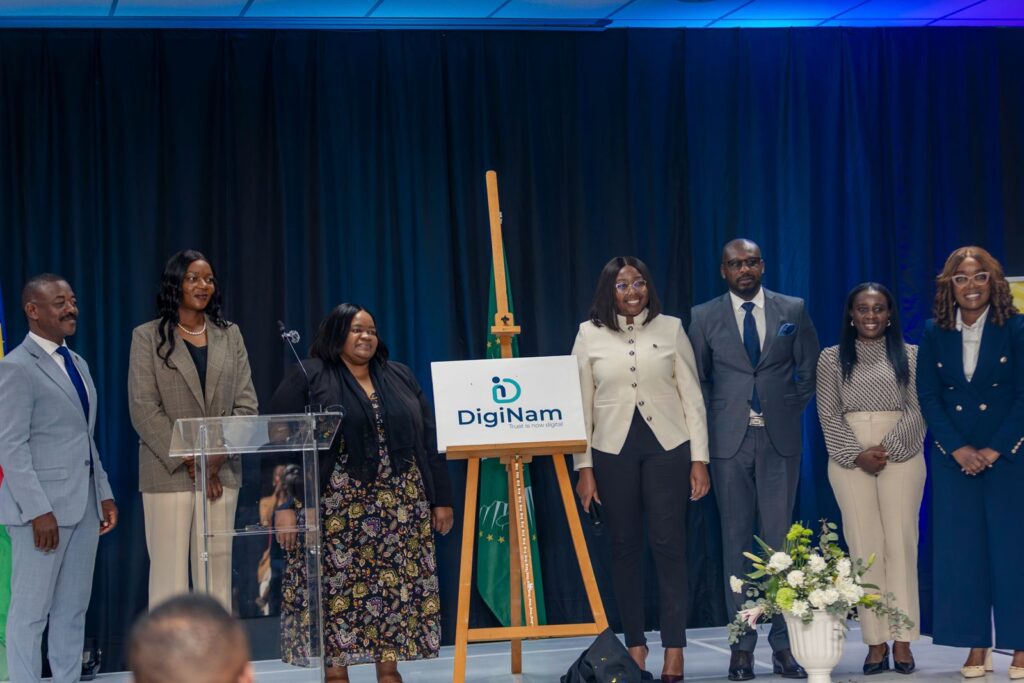
Cran: Namibia Digital Identity Electronic Signatures Empower Online Trust
Summary
- Namibia has launched a new digital trust system called DigiNam: Trust is Now Digital.
- The system enables Namibians to use verified digital identities and electronic signatures for online activities.
- Its primary purpose is to facilitate online document signing and access to various digital services.
- The Communications Regulatory Authority of Namibia (Cran) officially unveiled DigiNam in Windhoek on a Monday.
- Cran's Executive: Communication and Consumer Relations, Mufaro Nesongano, highlighted the system's aim to streamline online processes.
A New Era for Digital Transactions in Namibia
This development marks a pivotal step towards enhancing the security and efficiency of digital interactions across the nation, directly addressing the growing need for reliable Namibia digital identity electronic signatures.
Namibia is embarking on a significant digital transformation with the introduction of a new national digital trust system. This groundbreaking initiative, spearheaded by the Communications Regulatory Authority of Namibia (Cran), is set to empower citizens by enabling the use of verified digital identities and electronic signatures for a wide array of online activities. The system, officially branded as DigiNam: Trust is Now Digital, was formally unveiled in Windhoek on a recent Monday, marking a pivotal moment for the nation's digital infrastructure.
This development represents a crucial step towards enhancing the security and efficiency of digital interactions across the country, directly addressing the growing need for reliable Namibia digital identity electronic signatures. The launch signifies a strong commitment to modernizing how individuals engage with online services and execute formal documentation, promising a more streamlined and secure digital experience for all Namibians.
Understanding DigiNam's Core Functionality
At its core, the DigiNam digital trust system is meticulously designed to facilitate secure and authenticated online document signing, alongside providing seamless access to various digital services. By offering verified digital identities, the system ensures that individuals can reliably prove their identity in the digital realm, a fundamental component for any secure online transaction. This capability extends to Cran electronic signatures, which are now poised to carry legal weight and provide a robust method for authenticating documents without the traditional requirements of physical presence or paper-based processes.
Mufaro Nesongano, the Executive: Communication and Consumer Relations for Cran, emphasized that DigiNam is specifically intended to streamline these critical online processes, thereby making digital interactions more accessible and trustworthy for all Namibians. The integration of stringent digital identity verification Namibia protocols is central to the system's integrity, guaranteeing that every electronic signature is securely linked to a verified individual, fostering an environment of trust in the digital space.
Regulatory Oversight and National Impact
The formal launch of this system by the Communications Regulatory Authority of Namibia underscores the regulatory body's proactive role in cultivating a secure and trustworthy digital environment within the country. This strategic move is anticipated to significantly bolster confidence in Namibia online document signing and other digital transactions, thereby paving the way for broader adoption of e-governance and e-commerce solutions across various sectors.
The establishment of such a comprehensive digital trust system extends beyond mere convenience; it is about constructing a foundational infrastructure for a robust digital economy where the authenticity of participants and the integrity of their actions can be reliably verified. The implementation of DigiNam, with its dual focus on verified digital identities and Cran electronic signatures, exemplifies a forward-thinking approach to digital governance, setting a new benchmark for secure online engagement within Namibia. This system is poised to redefine how legal and administrative processes are conducted, making digital identity verification Namibia a cornerstone of future interactions and transactions.
Practical Implications
Lawyers must assess how this new system impacts the validity and enforceability of digital contracts and transactions for their clients in Namibia, and advise on compliance with the new digital identity verification processes. They should monitor for specific regulations or guidelines from Cran detailing the legal framework and practical implementation of DigiNam.
Source
How does this affect you?
Get an AI analysis of this article grounded in your jurisdictions, practice areas, and any policy documents you've uploaded to Wansom.
Finish Reading the Full Story and the Expert Analysis.
Wansom is AI and can make mistakes.