
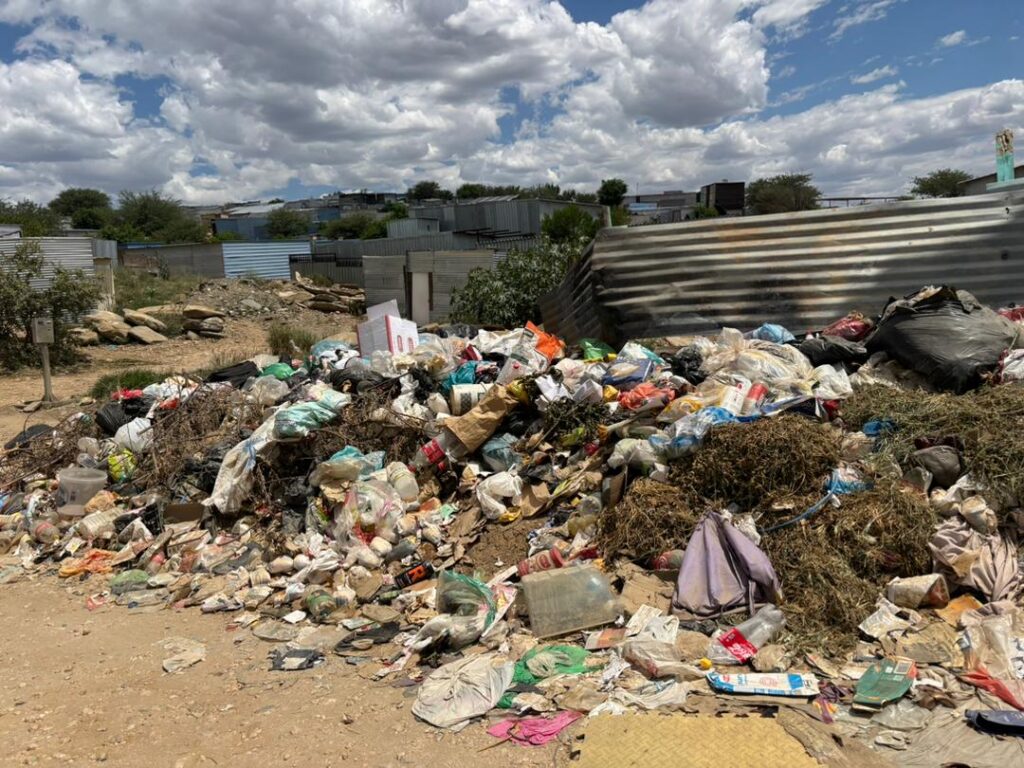
Namibia MEFT: Initiates National Circular Economy Policy Development
Summary
- Namibia is currently developing its first national circular economy policy.
- The Ministry of Environment, Forestry and Tourism confirmed that policy development efforts are in their initial stages.
- A specialized consultant has been appointed to lead the policy formulation process.
- MEFT spokesperson Vilho Hangula provided official details on the ongoing initiative.
- This policy development signals future regulatory changes impacting resource use and waste management across Namibia.
Namibia's Push for a Circular Economy Policy
The initiation of Namibia's circular economy policy development signals an impending shift in the country's regulatory landscape, with significant implications for various sectors.
Namibia is embarking on a significant journey to establish its first national policy dedicated to the circular economy. This crucial development was recently confirmed by the Ministry of Environment, Forestry and Tourism (MEFT), highlighting the nation's commitment to fostering sustainable practices. Currently, a formalized national framework for a circular economy does not exist, making this initiative a pivotal step towards integrating resource efficiency and waste reduction into the country's economic and environmental strategies.
The efforts towards this Namibia circular economy policy development are presently in their initial stages. To ensure a robust and well-informed process, the MEFT has already appointed a specialized consultant. This expert will be instrumental in guiding the entire policy formulation, from conducting necessary research to facilitating stakeholder engagement and ultimately drafting the comprehensive policy document. This strategic move underscores a proactive approach to modernizing Namibia's environmental governance.
Official Confirmation and Strategic Oversight
The current status of Namibia's circular economy policy development was officially communicated by Vilho Hangula, the spokesperson for the Ministry of Environment, Forestry and Tourism. Hangula's statement clarified that while a national policy is not yet in place, the foundational work has indeed commenced. His remarks provide authoritative insight into the government's dedication to advancing its Namibia environmental policy updates and embedding principles of sustainability across various sectors.
The decision to engage a consultant reflects the intricate nature of crafting a national circular economy framework. This expert will be tasked with navigating the multifaceted aspects of such a policy, which typically encompasses areas like sustainable product design, industrial symbiosis, and advanced waste management. The consultant's role is to ensure the development of a policy that is both ambitious in its goals and practically implementable within the unique context of Namibia, thereby setting the stage for future Namibia circular economy legislation.
Anticipating Future Regulatory Shifts
The initiation of Namibia's circular economy policy development signals an impending shift in the country's regulatory landscape, with significant implications for various sectors. While the national policy is still in its formative stages, its eventual promulgation is expected to introduce new compliance obligations and operational considerations for businesses. This forward-looking approach aims to cultivate a more sustainable economic model, moving beyond conventional Namibia waste management policy to a holistic system that values resources throughout their entire lifecycle.
Once enacted, this policy is poised to profoundly influence how industries operate, particularly concerning resource utilization and waste generation. Businesses currently operating within Namibia, or those contemplating future investments, should closely monitor these developments. The forthcoming Namibia circular economy legislation will likely introduce measures designed to encourage innovation in sustainable practices, promote extensive recycling and reuse, and potentially impose more stringent requirements on waste disposal, thereby reshaping the operational environment for many enterprises.
Practical Implications
While Namibia currently lacks a national circular economy policy, the initiation of its development signals impending regulatory changes. Lawyers and compliance officers should advise clients operating in Namibia to monitor these developments closely, as future legislation will likely introduce new compliance obligations and impact business operations related to resource use and waste management.
Source
How does this affect you?
Get an AI analysis of this article grounded in your jurisdictions, practice areas, and any policy documents you've uploaded to Wansom.
Finish Reading the Full Story and the Expert Analysis.
Get the latest legal & regulatory intelligence in Namibia
Wansom is AI and can make mistakes.