
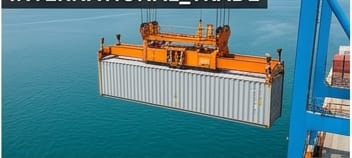
Namibia China Zero-Tariff Exports: New Opportunities for Businesses
Summary
- China has introduced a zero-tariff framework for eligible exports from African countries, creating significant new opportunities for Namibia.
- Hellen Amupolo of Standard Bank Namibia highlighted that this policy will enhance the competitiveness of African products in the Chinese market.
- Namibia, known for premium beef, table grapes, seafood, and minerals, stands to benefit from improved access to China's vast consumer and industrial markets.
- The policy encourages Namibian businesses to move beyond raw commodity exports towards value-added goods, stimulating investment and innovation.
- This initiative signals China's commitment to deepening economic ties with Africa, offering access to a major global manufacturing and consumption hub.
New Export Avenues for Namibia
For a nation committed to industrialization and economic diversification, access to such a vast market provides a powerful impetus for businesses to invest in new capabilities and scale up production.
China has officially implemented a zero-tariff framework for specific exports originating from African nations, a strategic development poised to significantly reshape trade dynamics across the continent. This initiative, highlighted by Hellen Amupolo, Head of Business and Commercial Banking at Standard Bank Namibia, is expected to generate substantial new `Namibia export opportunities China` for businesses within the country. While the policy might appear to be a technical adjustment in trade regulations, its implications for market access and competitiveness are profound.
By eliminating tariffs, the `China Africa zero-tariff policy` directly enhances the price competitiveness of African goods, thereby facilitating their entry into one of the world's largest consumer markets. For Namibia, this policy arrives at a particularly opportune moment, offering a clear pathway to expand its export horizons beyond traditional partners and bolster ongoing efforts towards economic diversification.
Policy Context and Market Demand
The new `China Africa zero-tariff policy` is specifically designed to make products from eligible African countries more attractive to Chinese buyers, improving their market access. This is crucial for businesses aiming to broaden their international reach beyond established trade routes. As the world's second-largest economy and a pivotal trading partner for numerous African states, China consistently demonstrates robust demand for a diverse range of products, including agricultural commodities, seafood, minerals, and manufactured goods with added value.
Namibia possesses inherent strengths and competitive advantages in many of these sectors. The nation is internationally recognized for its premium beef, high-quality table grapes, diverse seafood products, and rich mineral resources. Enhanced access to China's expansive consumer and industrial markets through `Namibia China zero-tariff exports` could unlock considerable new demand for these established products, simultaneously creating incentives for further domestic investment and industrial expansion, as indicated by `Standard Bank Namibia trade insights`.
Unlocking Value and Strategic Growth
The benefits of this zero-tariff framework extend beyond Namibia's existing commodity exports. As China's economy continues its evolution, there is an increasing appetite for premium food items, processed agricultural goods, specialized products, and commodities sourced sustainably. This trend offers a significant avenue for Namibian enterprises to transition from merely exporting raw materials to focusing on greater value addition within their supply chains.
Such a shift towards higher value products, facilitated by `African eligible exports China`, promises substantial long-term advantages. Increased participation in global value chains can stimulate foreign and domestic investment, foster innovation, and generate employment across various economic sectors. For a nation committed to industrialization and economic diversification, access to such a vast market provides a powerful impetus for businesses to invest in new capabilities and scale up production.
Furthermore, this policy underscores China's ongoing commitment to strengthening economic ties with the African continent, particularly as global trade patterns become increasingly unpredictable. For African businesses, deeper trade relationships with China offer not only market access but also a gateway to a global hub of manufacturing, investment, and consumption. The `China Africa zero-tariff policy` allows Namibia to strategically integrate itself into evolving international supply chains, especially as its agriculture, fisheries, manufacturing, logistics, and energy sectors continue to grow and seek broader international markets.
Practical Implications
Lawyers advising Namibian exporters should inform clients about the new zero-tariff framework for China, assessing eligibility criteria and potential for market expansion. Compliance officers in export-focused businesses must review their trade strategies to leverage these new opportunities and ensure adherence to revised export regulations for the Chinese market.
Source
How does this affect you?
Get an AI analysis of this article grounded in your jurisdictions, practice areas, and any policy documents you've uploaded to Wansom.
Finish Reading the Full Story and the Expert Analysis.
Wansom is AI and can make mistakes.