
Namibia Cabinet: Endorses FMD Buffer Zone for ||Kharas Outbreak
Summary
- Namibia's Cabinet has approved a plan to curb the spread of a foot-and-mouth disease (FMD) outbreak in the ||Kharas region.
- The containment strategy, endorsed on Sunday, includes the creation of a buffer zone.
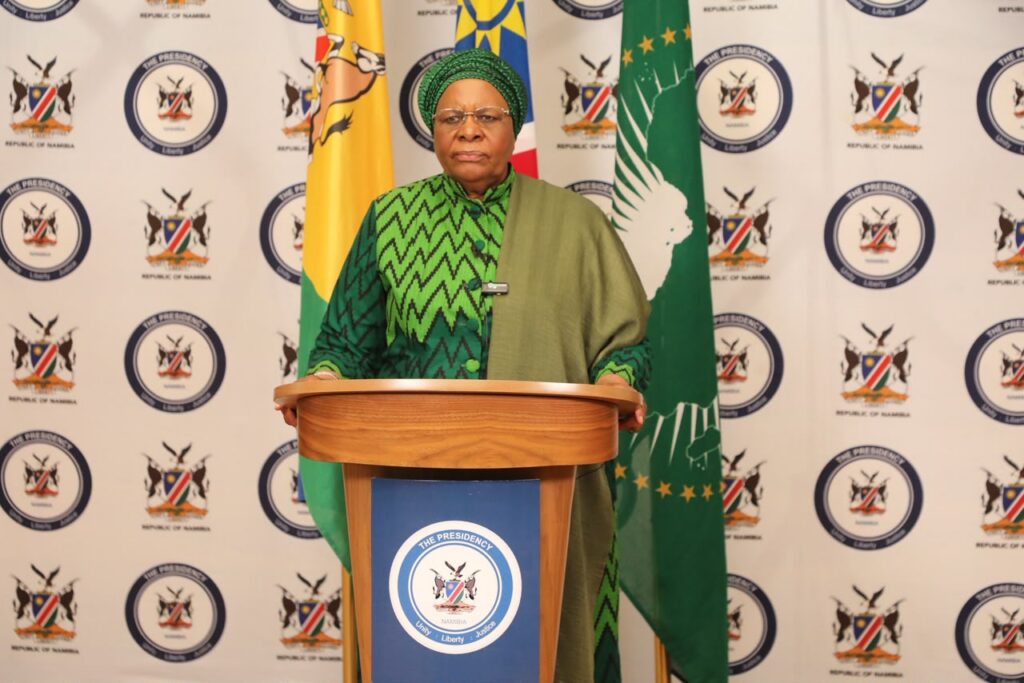
- President Netumbo Nandi-Ndaitwah announced the Cabinet's decision during an address at State House on Monday.
- The plan aims to prevent the FMD outbreak from affecting other parts of Namibia.
- This approval signals forthcoming regulatory changes and restrictions to manage the disease.
Cabinet Acts on FMD Threat
The primary motivation behind the Cabinet's swift approval of the FMD containment plan is to avert a more widespread and economically damaging outbreak across Namibia.
Namibia's Cabinet has formally endorsed a critical strategy designed to prevent the spread of a foot-and-mouth disease (FMD) outbreak currently affecting the ||Kharas region. This decisive action, approved by the Cabinet on Sunday, aims to safeguard other parts of the country from the highly contagious animal disease. The comprehensive plan includes the establishment of a containment buffer zone, a measure intended to create a physical barrier against further transmission.
The announcement regarding this significant development was made by President Netumbo Nandi-Ndaitwah during a high-level address delivered at State House on Monday. Her remarks focused specifically on the ongoing FMD outbreak and the government's proactive steps to mitigate its impact. The President's statement underscored the urgency and importance of the Cabinet's decision to implement the ||Kharas FMD containment plan, signaling a concerted effort to protect Namibia's livestock and agricultural sector.
Regulatory Framework and Implications
The approval of this containment strategy by the Namibia Cabinet for an FMD buffer zone signifies impending regulatory changes and heightened restrictions. Such a Cabinet-level decision typically paves the way for the swift implementation of new Namibia foot-and-mouth disease regulations, which will govern animal movement, trade, and biosecurity protocols within and around the designated buffer zone. These measures are crucial components of broader Namibia animal disease control measures, designed to manage and eradicate outbreaks effectively.
Legal and agricultural stakeholders should anticipate the rapid introduction of new directives stemming from this Cabinet decision. The establishment of a buffer zone will necessitate strict adherence to updated FMD outbreak legal implications Namibia, potentially impacting farmers, transporters, and businesses involved in the livestock value chain. Compliance with these forthcoming regulations will be paramount to avoid penalties and contribute to the national effort to contain the disease.
Preventing Widespread Economic Disruption
The primary motivation behind the Cabinet's swift approval of the FMD containment plan is to avert a more widespread and economically damaging outbreak across Namibia. Foot-and-mouth disease poses a severe threat to the country's agricultural sector, particularly its livestock industry, which is a vital component of the national economy. By establishing a buffer zone in the ||Kharas region, the government aims to localize the outbreak and prevent its progression into other areas, thereby protecting the livelihoods of countless farmers and related businesses.
This proactive approach reflects a strategic commitment to national biosecurity and economic stability. The measures, including the creation of the Namibia Cabinet FMD buffer zone, are designed to minimize the long-term economic repercussions that a national FMD epidemic would entail, such as trade restrictions, culling of animals, and significant financial losses for producers. The containment plan is therefore a critical investment in the health of Namibia's animal population and the resilience of its agricultural economy.
Practical Implications
This Cabinet approval signals impending regulatory changes and restrictions on movement in the ||Kharas region. Lawyers should prepare to advise clients in agriculture, logistics, and related industries on compliance with new biosecurity measures and potential operational impacts to avoid penalties.
Source
How does this affect you?
Get an AI analysis of this article grounded in your jurisdictions, practice areas, and any policy documents you've uploaded to Wansom.
Finish Reading the Full Story and the Expert Analysis.
Get the latest legal & regulatory intelligence in Namibia
Wansom is AI and can make mistakes.