
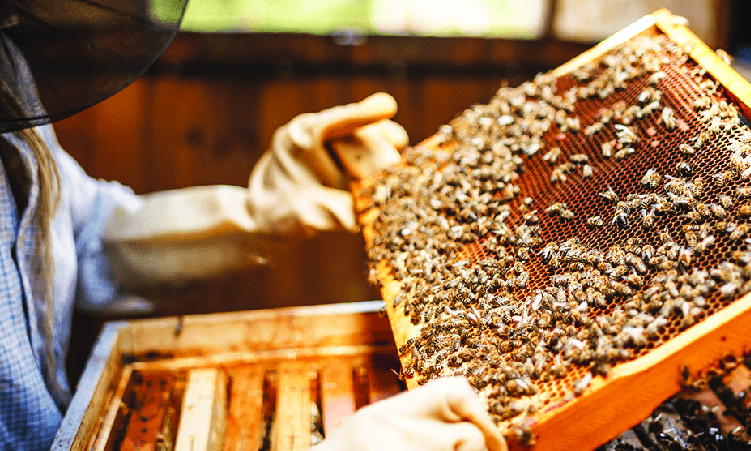
Namibia: Beekeepers Seek Animal Health Act Coverage for Bees
Namibian beekeepers recently advocated for the country's Animal Health Act to explicitly include bees, citing a significant gap in the detection and management of bee diseases within the current animal health system.
This development highlights a critical regulatory oversight with far-reaching implications for Namibia's agricultural sector, biodiversity, and food security. The current exclusion of bees from the Animal Health Act means that there is no dedicated legal framework for monitoring, controlling, and preventing bee diseases, which can decimate bee populations. For legal professionals, this signals a potential legislative amendment or regulatory expansion that could introduce new compliance requirements for beekeepers, farmers, and related industries. The health of bee populations is vital for pollination services, directly impacting crop yields and the broader ecosystem, making this a matter of national importance beyond just the apiculture industry.
The primary legal context for this issue is Namibia's Animal Health Act. The core of the problem lies in the interpretation or definition of 'animal' within this statute, which seemingly does not encompass insects like bees. This regulatory vacuum means that existing provisions for disease surveillance, quarantine, treatment, and biosecurity measures applicable to other livestock or animals do not extend to bees. The call for inclusion suggests that the current framework is outdated or insufficient to address the modern challenges and ecological importance of apiculture, necessitating a legislative update to align with international best practices in animal health and agricultural sustainability.
The key parties involved in this advocacy are Namibian beekeepers, who are directly affected by the lack of legal protection for their stock, and the government officials responsible for animal health, likely within the Ministry of Agriculture, Water and Land Reform. Other stakeholders include farmers who rely on pollination, researchers, honey traders, and training institutions, all of whom participated in the national apiculture role-player workshop where this issue was raised. The outcome of this advocacy, specifically whether the Animal Health Act will be amended to include bees, is not yet reported.
Attorneys advising clients in the agricultural sector, particularly those involved in apiculture, farming (due to pollination services), or food production, should closely monitor legislative developments concerning the Animal Health Act. Any amendment to include bees would necessitate new regulations, disease control protocols, and potentially import/export requirements for bee products or live bees. Businesses should prepare for potential compliance obligations related to bee health, disease reporting, and biosecurity, as these changes could significantly impact operational costs and market access for apiculture-related products.
How does this affect you?
Get an AI analysis of this article grounded in your jurisdictions, practice areas, and any policy documents you've uploaded to Wansom.
Finish Reading the Full Story and the Expert Analysis.
Get the latest legal & regulatory intelligence in Namibia
Wansom is AI and can make mistakes.