
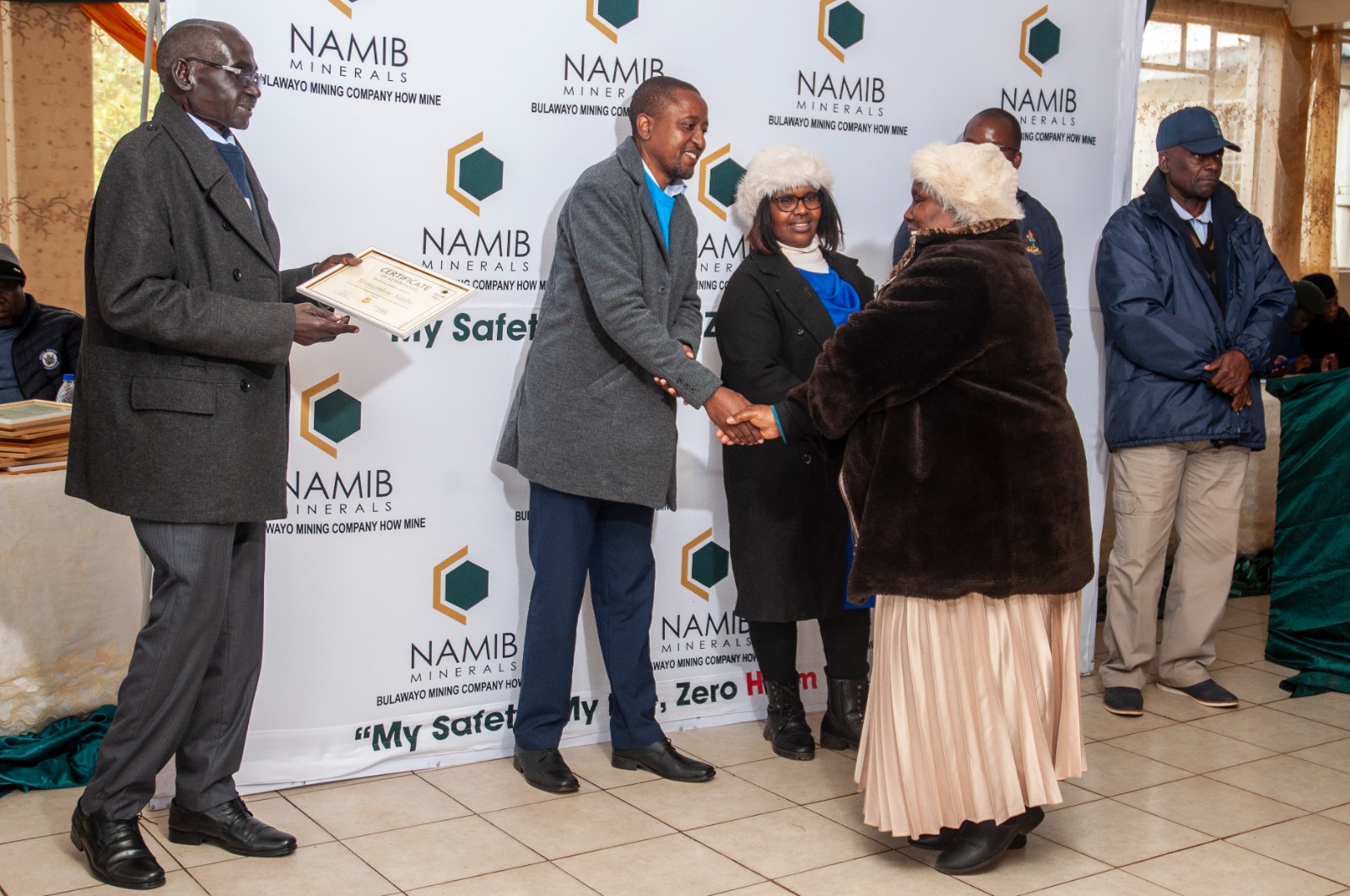
Namib Minerals: Artisanal Miner Training Zimbabwe Boosts Safety for 103 Miners
Summary
- Namib Minerals conducted an inaugural training program for 103 artisanal miners in Zimbabwe.
- The program focused on enhancing both safety protocols and technical skills among participants.
- How Mine's practical mining expertise was utilized to deliver the specialized training.
- This initiative highlights a growing emphasis on safety and technical competence within Zimbabwe's small-scale mining sector.
Training Boosts Artisanal Mining Skills
This inaugural training program, spearheaded by Namib Minerals, carries significant implications for the broader legal and operational landscape of Zimbabwe's mining sector.
Namib Minerals recently spearheaded a significant initiative aimed at enhancing operational standards within Zimbabwe's small-scale mining sector. This pioneering effort saw the successful completion of an inaugural training program, specifically designed to equip 103 artisanal miners with crucial knowledge and practical capabilities. This commitment by Namib Minerals to artisanal miner training in Zimbabwe underscores a proactive approach to industry development.
The comprehensive curriculum focused intently on two primary areas: elevating safety protocols and refining technical skills essential for effective and responsible mining operations. The program notably leveraged the extensive and highly regarded practical mining expertise of How Mine, ensuring that participants received instruction grounded in real-world operational experience. This collaboration provided a robust foundation for the miners, addressing critical gaps in both theoretical understanding and hands-on application.
Context for Enhanced Safety
The introduction of such a specialized training program by Namib Minerals arrives at a pertinent time for the nation's mining landscape. Artisanal and small-scale mining (ASM) plays a vital role in Zimbabwe's economy, yet it often faces considerable challenges related to operational safety and environmental stewardship. Initiatives that bolster Zimbabwe artisanal mining safety are therefore critically important for protecting lives and livelihoods.
The emphasis on improving both safety and technical proficiencies through this small-scale miner training Zimbabwe program reflects a growing recognition within the industry of the need for structured development. By investing in the human capital of this sector, Namib Minerals is contributing to a more formalized and secure operating environment, which can ultimately lead to more sustainable practices and reduced incidents. This type of intervention is crucial for fostering a culture of compliance and professionalism among independent operators.
Industry Collaboration and Standards
The strategic decision to draw upon How Mine's practical mining expertise for this training program adds significant weight and credibility to the initiative. How Mine is a well-established entity within the Zimbabwean mining industry, known for its operational standards and long history. Their involvement ensures that the skills imparted are not merely theoretical but are directly applicable and aligned with best practices in the field.
This collaboration sets a precedent for how larger, more established mining entities can contribute to the upliftment of the artisanal sector. Such programs are instrumental in driving overall mining safety compliance Zimbabwe, as they disseminate knowledge and foster a greater understanding of regulatory requirements and operational risks among a critical segment of the workforce. The commitment shown by Namib Minerals through this training signals a progressive outlook on corporate responsibility and industry development.
Broader Legal and Operational Implications
This inaugural training program, spearheaded by Namib Minerals, carries significant implications for the broader legal and operational landscape of Zimbabwe's mining sector. It signals a discernible shift towards a heightened emphasis on safety and technical competence within artisanal mining. For legal professionals advising clients involved in or interacting with the mining industry, this development suggests an evolving regulatory environment where safety compliance requirements are likely to become more stringent and more closely scrutinized.
Companies, including those with substantial Namib Minerals Zimbabwe operations, should anticipate increased liability exposure if they fail to meet emerging standards or adequately oversee their supply chains that might involve artisanal miners. Lawyers should proactively counsel mining clients on the necessity of robust due diligence when engaging with or investing in small-scale operations, ensuring that partners adhere to best practices in safety and technical execution. This proactive approach to training by Namib Minerals could well set a new benchmark for corporate responsibility and operational expectations across the industry.
Practical Implications
This initiative signals a growing emphasis on safety in Zimbabwe's artisanal mining sector. Lawyers should advise mining clients on potential increased liability, evolving safety compliance requirements, and due diligence when engaging with or investing in small-scale mining operations.
Source
Source: Original reporting via Newsday
How does this affect you?
Get an AI analysis of this article grounded in your jurisdictions, practice areas, and any policy documents you've uploaded to Wansom.
Wansom is AI and can make mistakes.