
Nairobi County: Zoomlion Waste Partnership Launches Waste-to-Value PPP
Summary
- Nairobi County and Zoomlion Kenya have formed a public-private partnership to transform waste into economic opportunities.
- The initiative targets illegal dumping and will establish a waste-to-value model, converting waste into fertilizer and plastic products.
- A large-scale Zoomlion Kenya Ruai waste plant will sort waste, process organic matter into compost, and turn plastic into panels for bins.
- Early results include more frequent waste collection at Korogocho market and the closure of five illegal dumping sites in Ruaraka.
- The project aims to create jobs, provide affordable agricultural inputs, and replicate its successful model across Kenya and East Africa.
Nairobi's Strategic Shift in Waste Management
This strategic Nairobi waste-to-value PPP represents a proactive approach to environmental stewardship and resource utilization.
Nairobi County has embarked on a significant public-private partnership with Zoomlion Kenya, aiming to transform the city's persistent waste challenges into tangible economic opportunities. This initiative, known as the Nairobi County Zoomlion waste partnership, is designed to aggressively combat illegal dumping while simultaneously establishing a comprehensive waste-to-value model centered on recycling and adding value to discarded materials. The collaboration is set to convert various waste streams into useful products, such as fertilizer and plastic goods, alongside creating new employment opportunities within the local economy.
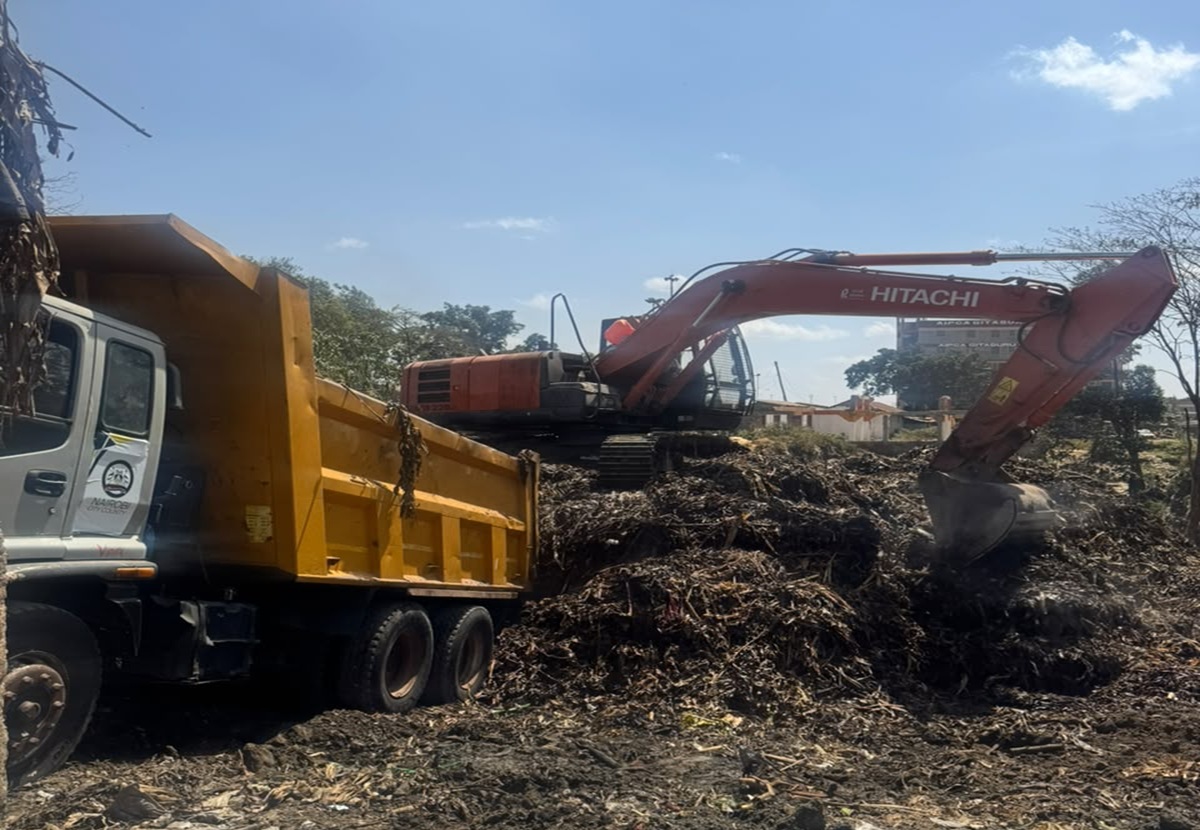
Currently, the partnership is actively engaged in clearing accumulated refuse from numerous illegal dumping sites across the county. This collected waste is presently transported to the Dandora dumpsite. However, this practice is slated for a fundamental change once Zoomlion's advanced, large-scale waste recycling and value-addition plant in Ruai becomes fully operational, marking a pivotal shift in Nairobi's waste management infrastructure.
This strategic Nairobi waste-to-value PPP represents a proactive approach to environmental stewardship and resource utilization. By focusing on the recovery and repurposing of waste, the county aims to not only alleviate the environmental burden but also to harness the economic potential inherent in its municipal solid waste stream, setting a new precedent for urban waste management in the region.
The Ruai Facility: A Hub for Resource Recovery
The forthcoming Zoomlion Kenya Ruai waste plant is central to this transformative initiative. This state-of-the-art facility will play a crucial role in the systematic sorting of collected waste, with a particular focus on processing organic materials. These organic components will be converted into compost and fertilizer, offering a sustainable solution for agricultural inputs.
This process is anticipated to provide farmers with more accessible and affordable agricultural inputs, drawing parallels to a successful program in Ghana where a 30-kilogramme bag of fertilizer is retailed for approximately 500 shillings. Beyond organic matter, the Ruai plant will also process plastic waste, transforming it into panels. These panels are intended for the manufacturing of waste bins for households, thereby encouraging better waste separation practices at the source and promoting responsible disposal across Nairobi.
The establishment of this facility signifies a major step towards a circular economy within Nairobi, moving away from traditional landfill reliance. It serves as a critical Dandora dumpsite alternative Ruai, promising to reduce the environmental impact of waste while generating valuable resources and fostering local industries.
Early Successes and Broader Policy Implications
Even in its early stages, the Nairobi County Zoomlion waste partnership has demonstrated tangible positive impacts. At Korogocho market, for instance, where a significant volume of organic waste is generated, residents like Virginia Warau have noted a marked improvement, reporting that uncollected garbage, which previously lingered for months, is now being collected more frequently. This has led to a reduction in unhygienic conditions and associated health risks.
David Kirui, Secretary of the Korogocho Market Traders Association, further corroborates these improvements, stating that traders, who once paid around 200 shillings for waste collection, now benefit from a more affordable and frequent service. This cleaner environment has, in turn, attracted more customers to the market. The Nairobi County Government has expressed considerable satisfaction with the collaboration, with Evans Ochieng, the Ruaraka Sub-County Environment Officer, confirming the closure of five illegal dumping sites in his area as a direct result of the initiative. He emphasized the partnership's effectiveness in tackling illegal dumping and fostering cleaner, more sustainable waste management practices, signaling a positive shift in Nairobi environmental compliance waste efforts.
Laud Mike Tagoe, Zoomlion’s Operations Manager, has assured Nairobi residents of a progressively cleaner city as the initiative expands. The planned Ruai plant is also projected to create additional employment opportunities and establish a larger market for recycled and value-added waste products. Drawing on Zoomlion's proven success in Ghana, this model is slated for replication across Kenya and eventual expansion throughout East Africa, potentially instigating a broader Kenya waste management policy shift that redefines waste from an environmental burden into a valuable economic resource.
Practical Implications
This public-private partnership signals a significant shift in Nairobi's waste management infrastructure and policy, potentially leading to new environmental regulations, stricter enforcement against illegal dumping, and new contractual opportunities or compliance obligations for businesses regarding waste disposal and recycling. Lawyers should monitor developments for clients operating in Nairobi or considering waste-related projects.
Source
How does this affect you?
Get an AI analysis of this article grounded in your jurisdictions, practice areas, and any policy documents you've uploaded to Wansom.
Wansom is AI and can make mistakes.